Kyiv protests new UN map separating Crimea from Ukraine
 on Google
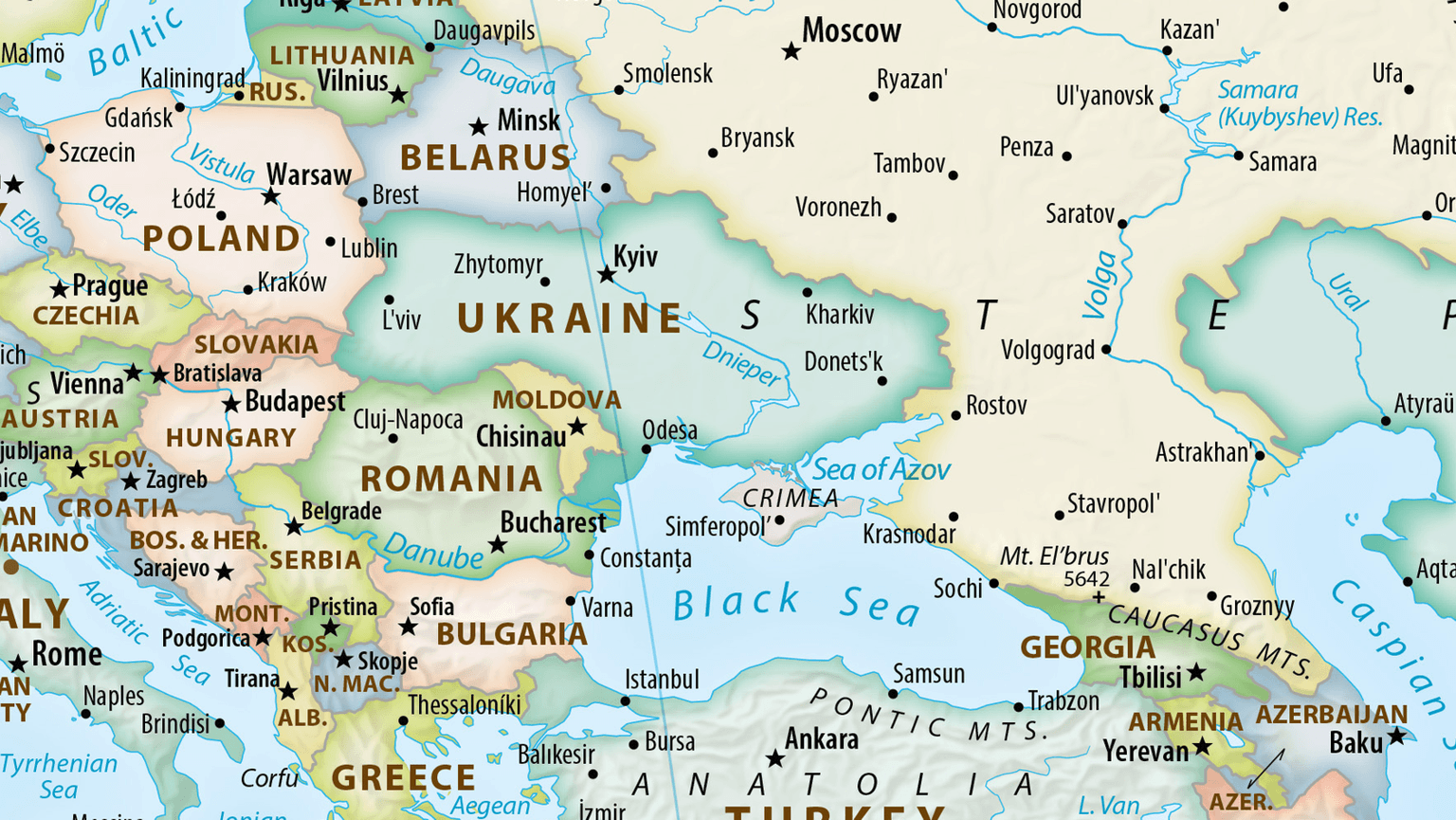
Ukraine could not support a U.N. resolution on a new world map, because it depicted the Russian-occupied Crimean peninsula as separate from Ukraine, lawmaker Kira Rudik said on Sept. 5.
"In 2026, the U.N. should not need a reminder: Crimea is Ukraine. Shame," the liberal lawmaker said on X.
Ukraine was one of only seven countries not to vote in support of a new U.N. world map — designed to better reflect the size of Africa relative to Europe and North America — in a vote on Sept. 4, because of how the new map treats Crimea.
The "Correct the Map" resolution was proposed by Togo, supported by the African Union, and adopted by 164 countries.
With the resolution adopted, the U.N. will stop using the traditional Mercator projection world map, which makes countries farther north appear larger than they actually are, and start using a projection that preserves countries' actual size.
Ukraine abstained from the vote, along with five other countries. The U.S. was the only country to vote against the resolution.

The map shows Ukraine's Crimea in gray, distinct from the shade of green used for the rest of the country.
Russia illegally occupied and annexed Crimea in 2014, but it remains a Ukrainian territory in international law.
Though the map does not color Crimea to match Russia, it does suggest, through its coloration, that the territory is in some way separate from Ukraine
Ukraine's official objection registered with the U.N. described the Equal Earth projection's depiction of the country as "wholly unacceptable."
The five other countries abstaining from the vote were Estonia, Georgia, Lithuania, Moldova, and Serbia.
The EU's U.N. delegation supported the resolution, but in its explanatory statement said: "We underscore that the resolution neither addresses nor affects questions relating to sovereignty, territorial status, delimitation, or the internationally recognized borders of States."
"The resolution does not imply recognition of, support for, or acquiescence in any claim concerning disputed territories, changes to existing borders, or alterations to the legal status of any territory," the statement reads.
The U.S was the lone country to vote against, but not because of border concerns. The U.S representative accused the map of being part of a "radical ideological project" that seeks to promote reparations.