Russian strikes on Kyiv data centers disrupt operations at several Ukrainian media outlets
 on Google

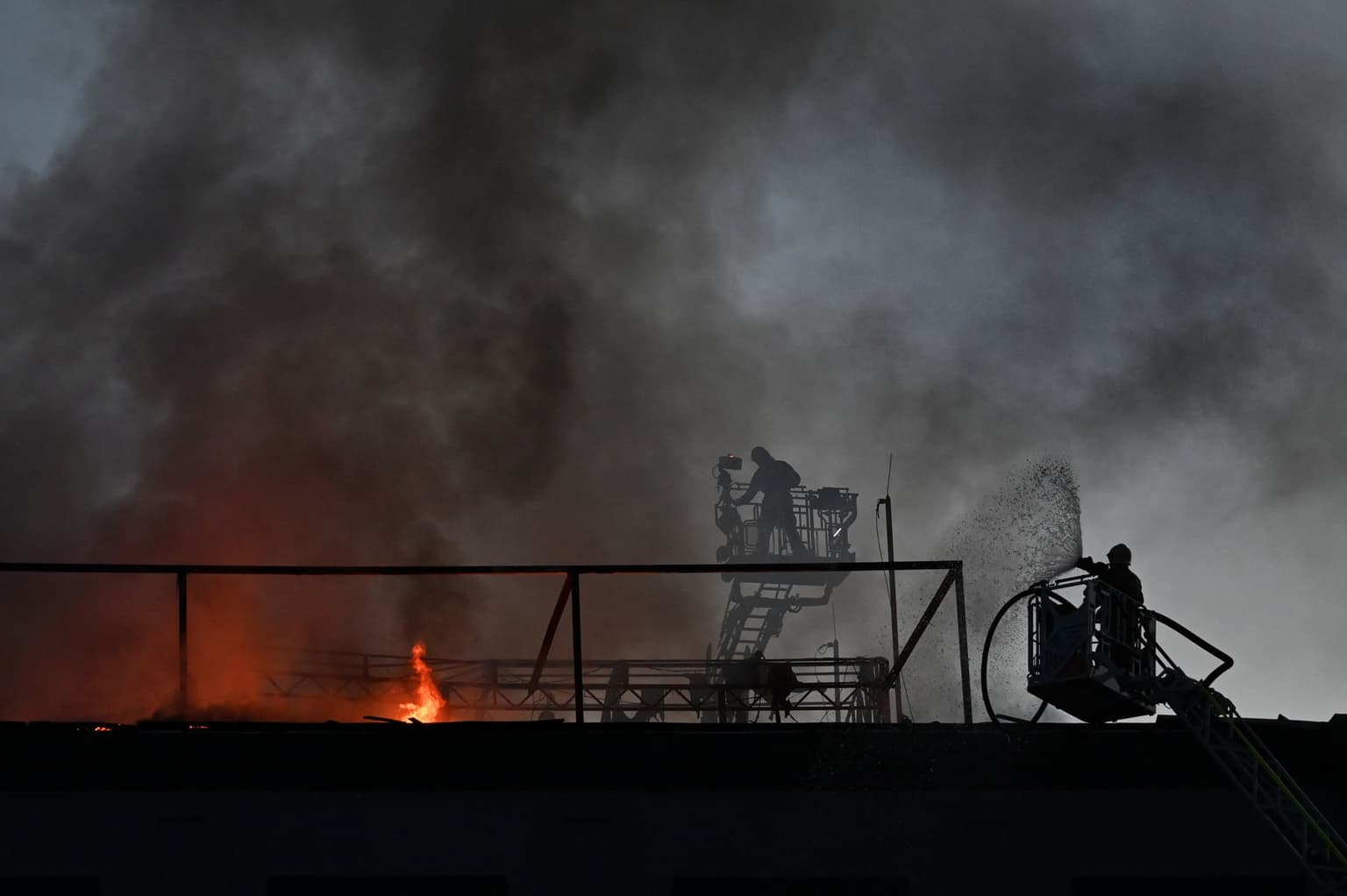
Several Ukrainian media outlets reported disruptions to their operations on Sept. 26 following Russian strikes on data centers in Kyiv.
Russian forces intensified attacks on data centers in Kyiv in September, causing internet outages across the capital and disrupting access to some online services.
TV channel Novyny.Live said it had temporarily suspended broadcasting due to disruptions affecting some of its services following a Russian attack on infrastructure in Kyiv.
Military media outlet Armiia TV also suspended operations on Sept. 26 following Russian strikes.
Public broadcaster Suspilne said its website's video players were not working because they were operated by Cosmonova, whose data center was damaged on Sept. 25. On the following day, Cosmonova said its data center had been damaged by a Russian attack for the second time and was knocked out of operation.
A Russian attack on Sept. 23 damaged a Kyiv data center housing network equipment for internet provider UTELS, causing service disruptions. The attack also affected cloud service Fex.net and disrupted internet access for around 100,000 households in Kyiv and the surrounding region, the Digital Transformation Ministry said.
After another Russian attack on Kyiv on Sept. 24, providers Domonet, Kievnet, and Faust reported infrastructure damage and internet outages. Russia also destroyed a data center hosting MiroHost's infrastructure, with the company saying it could not yet estimate when services would be restored.
Another Russian attack damaged a Datagroup data center on Sept. 25.
President Volodymyr Zelensky said following a meeting with senior military officials on Sept. 25 that the Ukrainian government had decided to strengthen the protection of data centers and other critical communications infrastructure.
"This is the beginning of a phase where, since September, they have started taking it out systematically," Anatolii Frolenkov, a representative of the 1-IX internet exchange point, told the Kyiv Independent.
Despite the recent damage, Frolenkov said knocking out internet access across Ukraine would be extremely difficult.
Providers can limit the impact of individual strikes by duplicating network equipment, maintaining backup communications routes, and distributing infrastructure across different locations, including outside Ukraine, he said.
But that strategy is expensive, leaving many providers without sufficient backup infrastructure, more vulnerable when equipment is destroyed.
"The internet will not disappear completely," Frolenkov said. "There will be outages, there will be problems. It won't work as smoothly or as quickly, things may glitch, and operators may go down for a couple of hours because the infrastructure is being physically destroyed."