Ukraine moves to tighten military deferments for students, educators
 on Google
The Ukrainian government approved a draft law on April 4 that narrows eligibility for military service deferments for students and educators, according to Taras Melnychuk, the government's representative in parliament.
Under the proposed changes, students under the age of 25 who are enrolled full-time or in dual education programs for their first degree will qualify for deferments.
The law also removes the right to a deferral for vocational school attendees who are only upgrading their professional qualifications without obtaining a formal education.
Additionally, the law establishes a specific sequence of education levels that grant the right to a mobilization deferral.
Men aged 25 and older who are pursuing a second degree at the same or lower educational level, or who began studies abroad after Feb. 24, 2022, will no longer be eligible for deferrals.
The bill amends Article 23 of the Law "On Mobilization Preparation and Mobilization" and will now be submitted to the Verkhovna Rada for consideration.
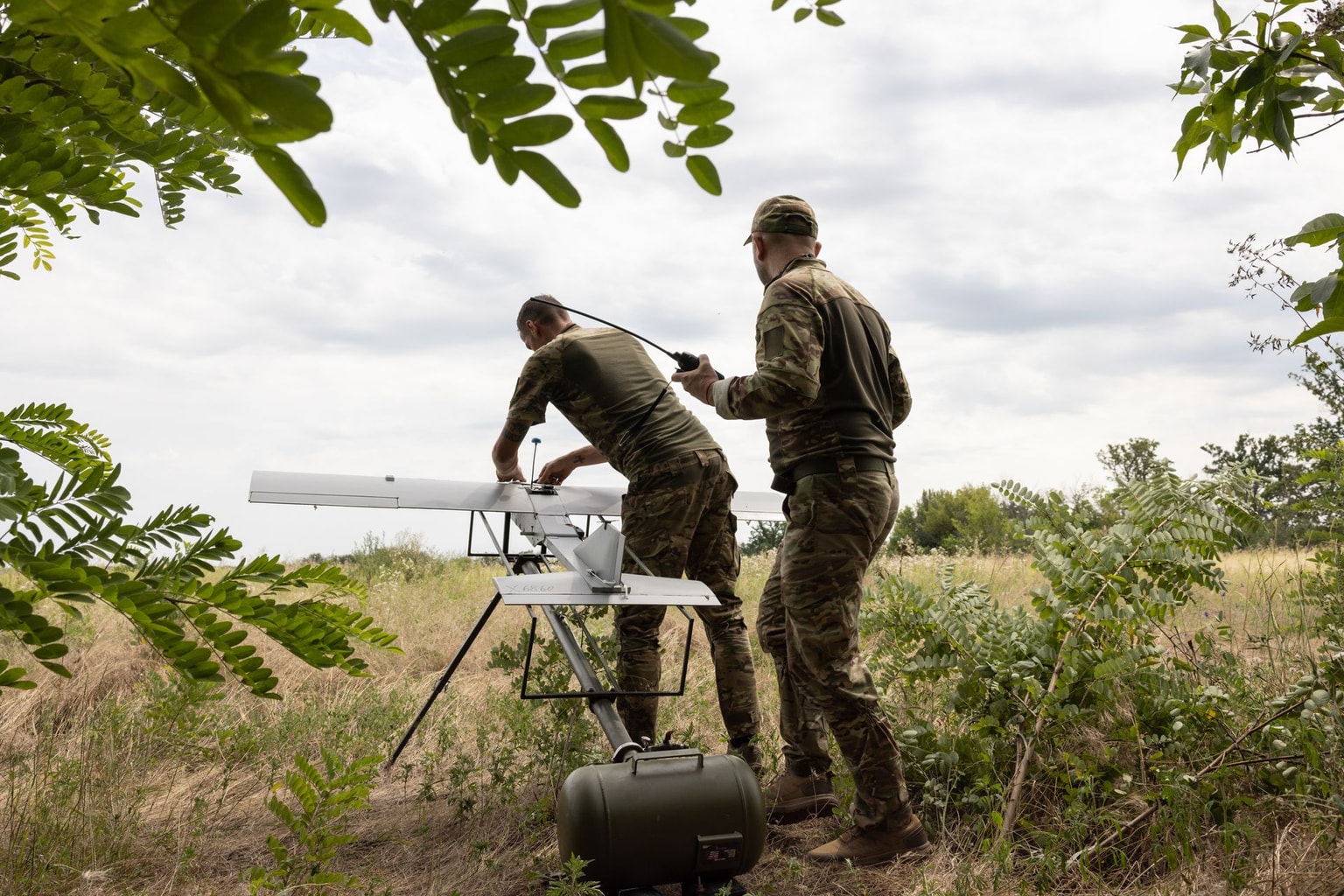
The measure is part of a broader push by the government to update mobilization laws as Ukraine seeks to replenish its military ranks amid the ongoing war.