The Kyiv Independent Live in London:

Ukrainian drones mark 22% increase in Russian target destruction in February, Syrskyi says
 on Google
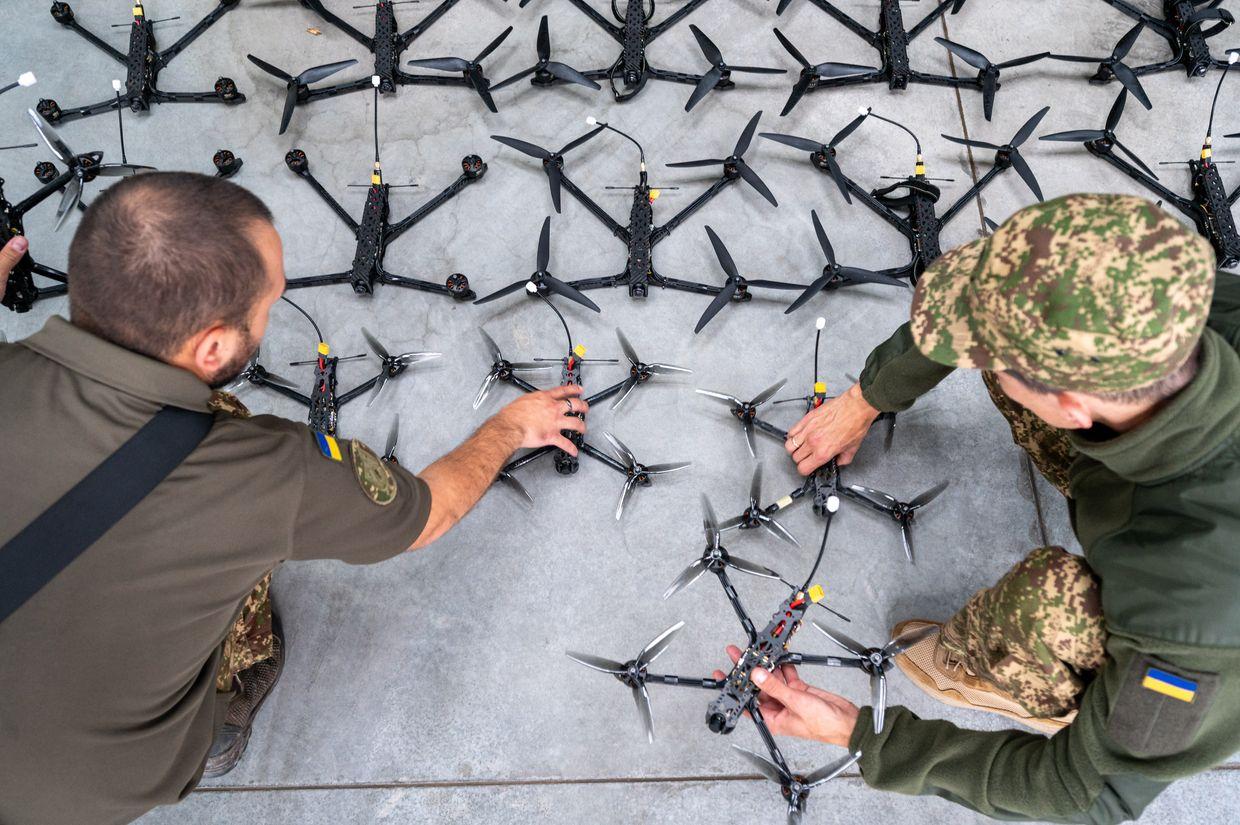
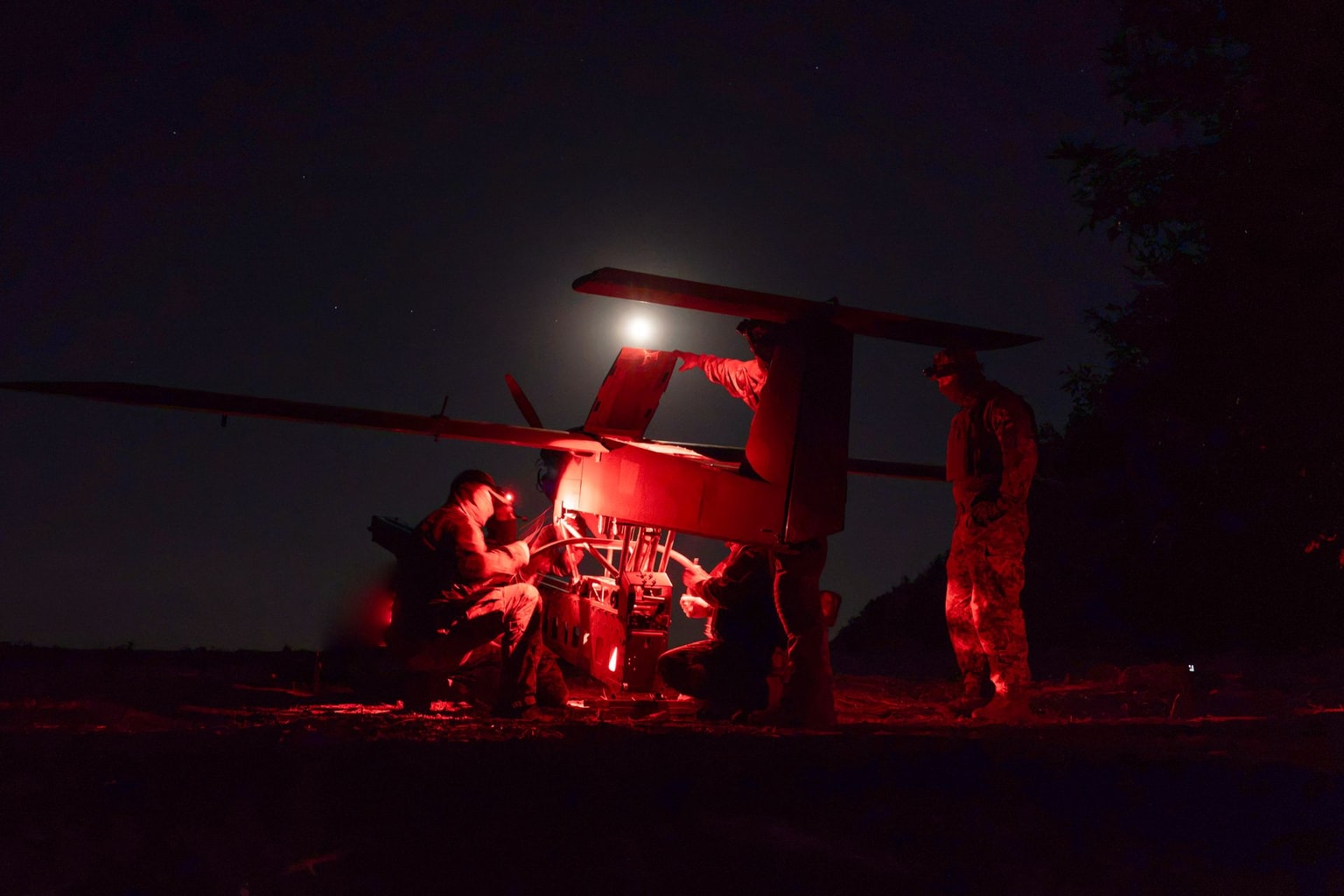
The number of Russian targets destroyed by Ukrainian drones increased by 22% in February compared to January, Commander-in-Chief Oleksandr Syrskyi reported on March 10, underscoring the importance of unmanned systems on the battlefield.
The commander noted that first-person-view (FPV) drones and multi-rotor bombers remain the most effective tools.
"Unmanned systems have become one of the most important elements of warfare that save the lives of our soldiers," Syrskyi said after a monthly meeting on drone development. He stressed the need to introduce a unified standard for unmanned systems in Ukraine’s Armed Forces to improve coordination between units.
Syrskyi also warned that Russia is rapidly adapting to Ukraine’s drone warfare strategies and developing its own technologies, including fiber-optic-controlled drones.
"We have no right to lag behind... (Russia) in the technological war and must strengthen ourselves at the expense of our own resources," he added.
Kyiv has significantly expanded domestic drone production over the past year, integrating drones into reconnaissance and combat operations. On Feb. 9, the Defense Ministry launched the "Drone Line" initiative to accelerate their deployment on the battlefield.
Ukraine has also developed long-range missile-drone hybrids, such as the Palianytsia and Peklo models, featuring turbojet engines as alternatives to cruise missiles. President Volodymyr Zelensky has set a target of producing at least 30,000 long-range drones in 2025.