Ukraine could use its own ballistic missiles against Russia by year-end, Fedorov tells CBS News
 on Google
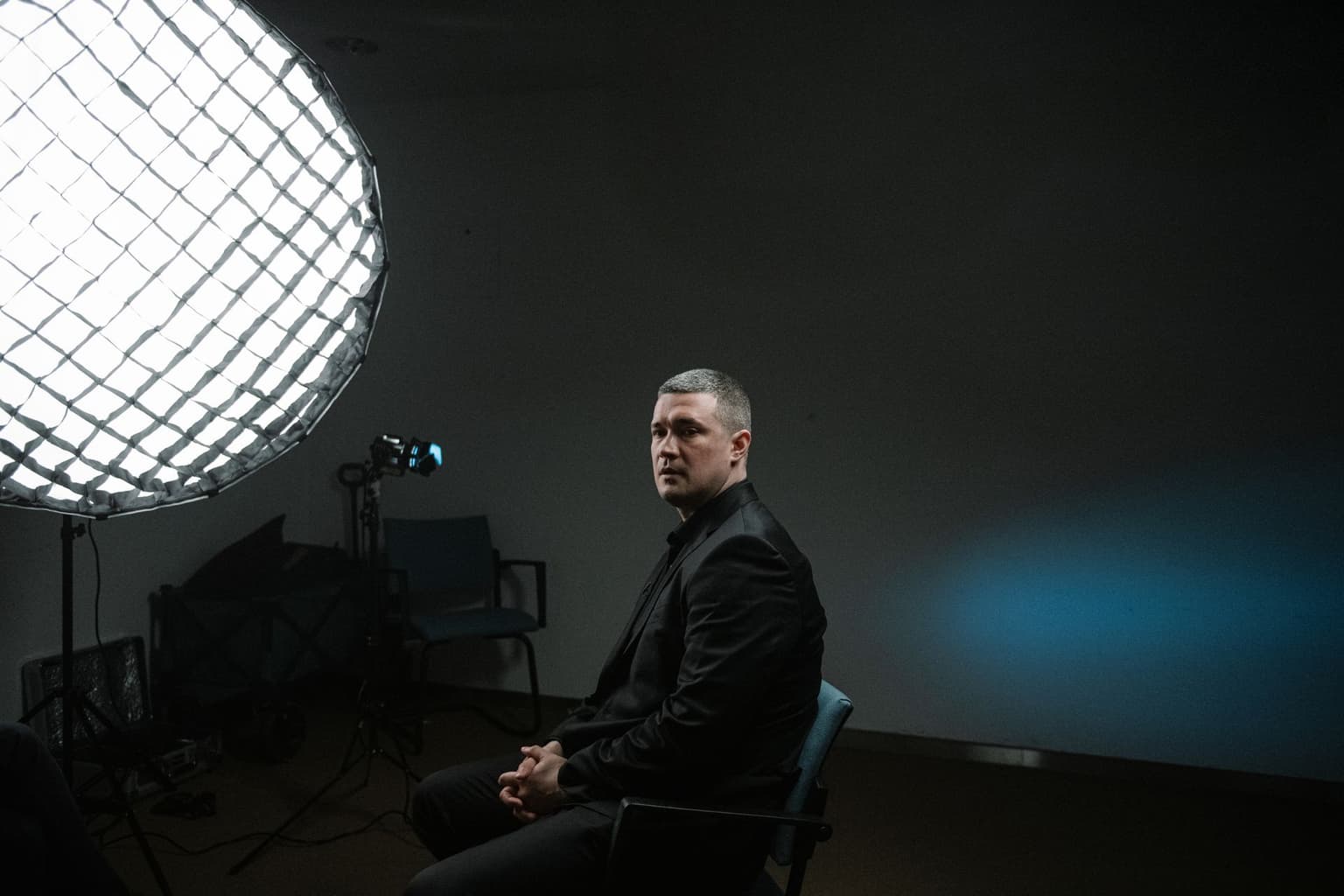
Ukraine could be capable of using domestically produced ballistic missiles to strike targets inside Russia within the next three to six months, former Defense Minister Mykhailo Fedorov told CBS News on Aug. 16.
"We need to defeat Russia in every technological cycle, and we have to make decisions 24/7," Fedorov said, adding that even though Ukraine is innovating quickly, Russia is advancing rapidly as well.
Before his dismissal in July, Fedorov played a central role in developing Ukraine's strategy of using drones, unmanned ground systems, and other technologies to offset Russia's advantages in manpower and conventional weapons.
Kyiv has so far relied largely on long-range drones and cruise missiles for deep strikes against Russian military and industrial targets. Ballistic missiles would give Ukraine a faster and potentially more difficult-to-intercept option for long-range attacks.
Russia, meanwhile, routinely launches ballistic missiles against Ukrainian cities and infrastructure. Ukraine has only limited means of intercepting such weapons, making them one of the most challenging threats for the country's air defenses.
Ukrainian defense manufacturer Fire Point tested a ballistic missile in June, part of Kyiv's wider effort to expand its domestically produced long-range arsenal.
Fedorov, who said Ukraine's ballistic missile program accelerated while he served as defense minister, told CBS News that he expects a Ukrainian ballistic missile to be launched against Russia before the end of the year.
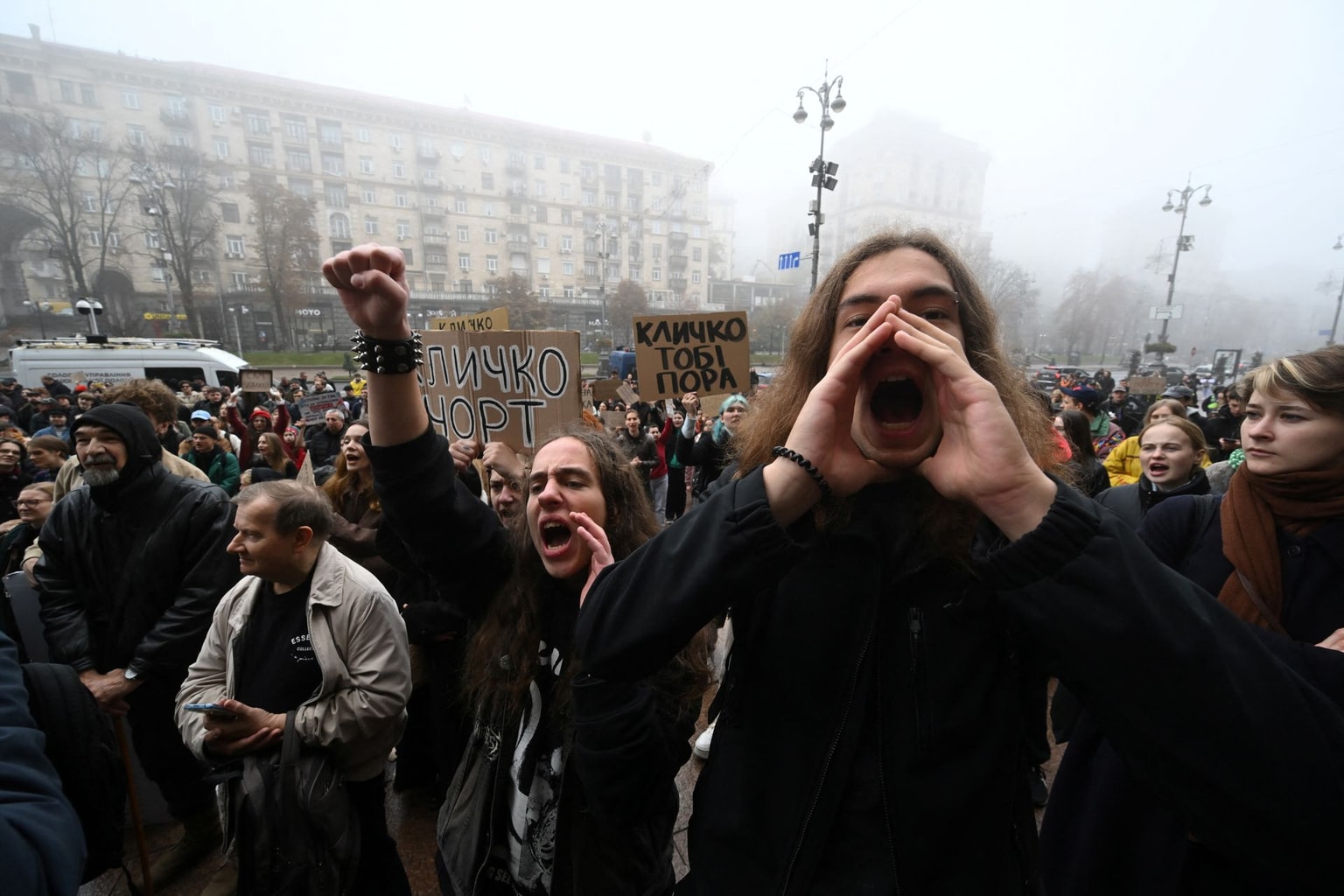
President Volodymyr Zelensky dismissed Fedorov in mid-July amid a reported conflict between the defense minister and Commander-in-Chief Oleksandr Syrskyi. The decision prompted protests involving thousands of people across Ukraine. More than a month after his dismissal, protesters gathered again in Kyiv on Aug. 16, marching through the city to demand his reinstatement.
The new gathering comes as the Ukrainian parliament is set to return from its summer recess on Aug. 18, with protesters waiting to see whether Zelensky will officially nominate acting Defense Minister Yevhen Khmara to the position.
Asked by CBS News why he believed he had been dismissed, Fedorov declined to discuss the reasons in detail: "I really don't want to talk to the American audience about why."
"Whatever the reason, it is important to understand that Ukraine will continue to fight," he added.
During Fedorov's tenure, Ukraine significantly expanded its domestic weapons production and increased the frequency and range of strikes against targets deep inside Russia.
Speaking about the demonstrations that followed his dismissal, the former tech entrepreneur told CBS News that they reflected Ukrainians' commitment to democratic values and the freedoms the country is defending in its war against Russia.
Fedorov did not rule out eventually returning to government: "Soon we will see," he said. "But in any case, all my work will be aimed at ending the war and rebuilding Ukraine."