Russian threats ‘cannot go unpunished,’ Sybiha says after foiled Leipzig drone attack
 on Google
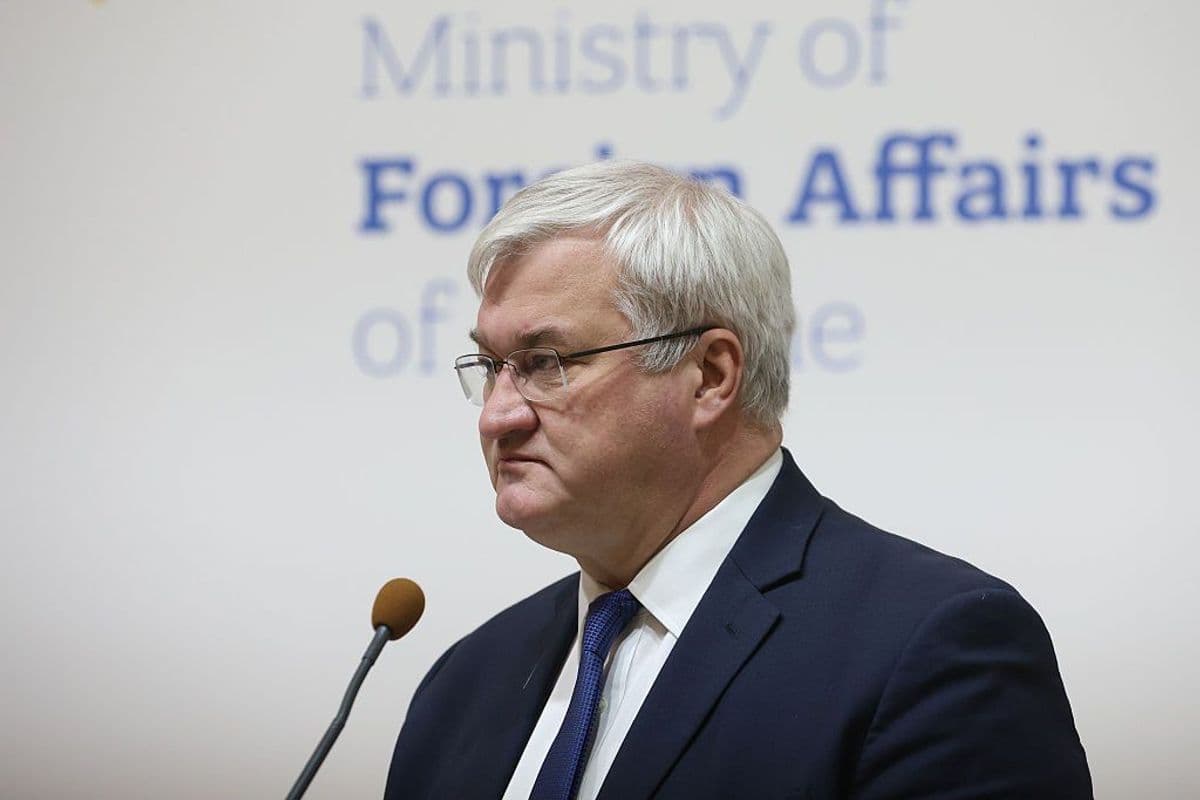
Foreign Minister Andrii Sybiha on Sept. 1 called for a "decisive strategy" to counter Russian threats in Europe after Germany officially accused Moscow of attempting a drone attack at Leipzig/Halle Airport.
"Acts of sabotage, disinformation, interference in electoral processes, espionage, attacks on critical infrastructure and industrial facilities. These are not isolated incidents, but components of Russia's deliberate and targeted strategy," Sybiha said in a post on X.
The foreign minister expressed solidarity with Germany and called for a strong response to Russia's actions, including additional sanctions, warning that leaving such incidents unpunished would only "fuel the aggressor's appetite."
"Europe needs a decisive strategy to counter Russian threats, especially ahead of next year, when a number of elections will take place across European countries," Sybiha said, adding that Ukraine was prepared to share its experience and contribute to protecting Euro-Atlantic security.
"The reality is that Russia considers itself to be at war with Europe. Even if Europe itself does not consider itself to be at war with Russia," he added.
Sybiha said that continued support for Ukraine and increased pressure on Moscow represented the "best response" to the Leipzig incident and other suspected Russian hybrid operations across Europe.
The German government earlier on Sept. 1 officially accused a Russian intelligence service of attempting to carry out a drone attack at Leipzig/Halle Airport in early August, marking the first time Berlin directly blamed Moscow for the incident.
The drone was reportedly equipped with explosives and intended to strike a Ukrainian Antonov cargo plane also used to transport military equipment. German officials said the drone's configuration, components, explosives, and fuel matched those used by Russia in other hybrid operations and in its war against Ukraine.
In response, Germany announced plans to close Russia's consulate in Bonn and the Russian House of Culture in Berlin, while also pushing for additional sanctions, tighter entry restrictions on Russian citizens, and increased pressure on Moscow's shadow fleet.