Ukraine’s defense tech partnerships surge, but many deals stall, new report finds
 on Google
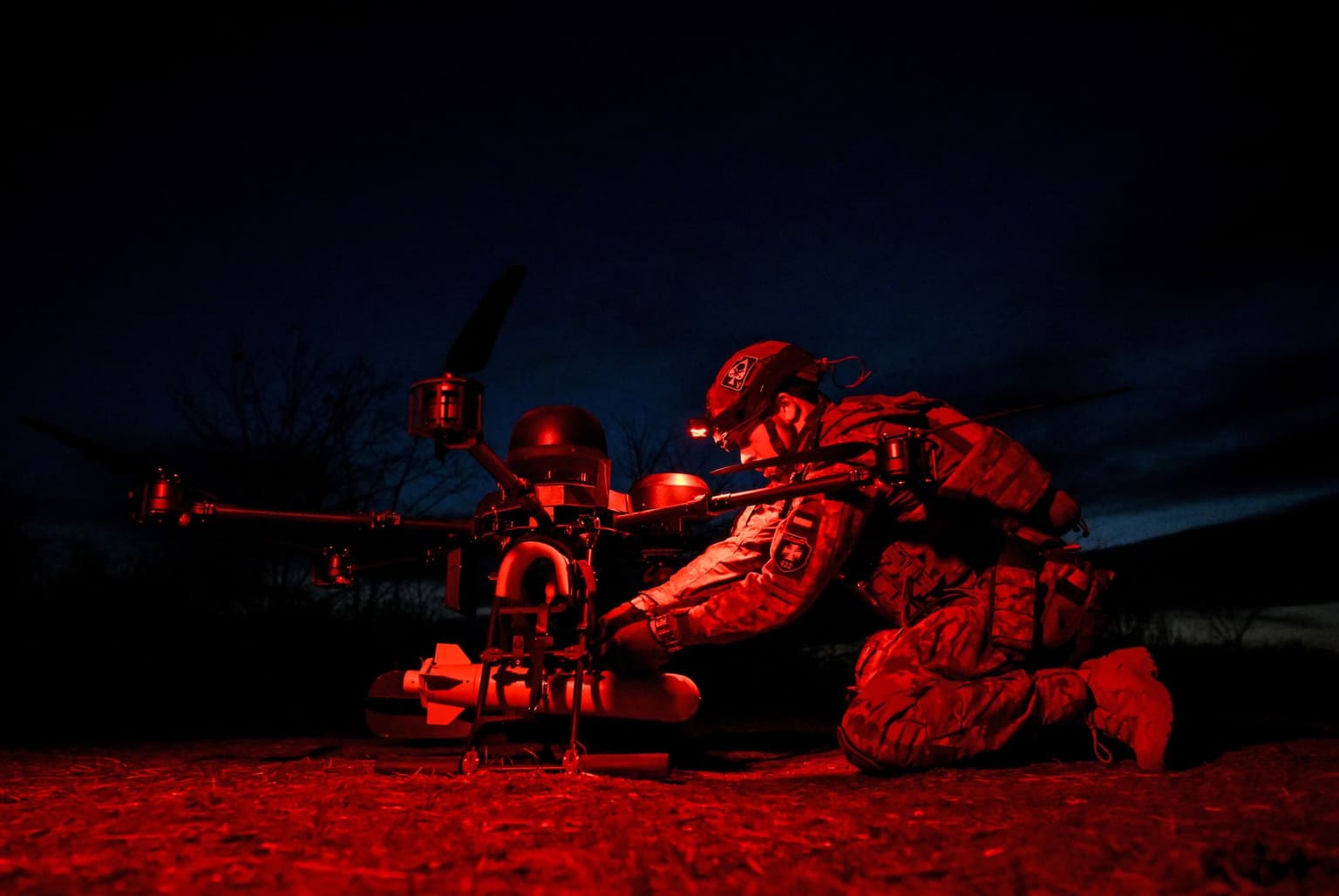
International joint ventures in Ukraine's defense tech sector are on the rise, with at least 180 partnerships in manufacturing, R&D, and maintenance confirmed by a new report from the Kyiv School of Economics Institute. But export restrictions and fragmented procedures are slowing some deals.
A third of those partnerships were signed in the past 12 months as Ukraine's defense tech sector has matured and consolidated. German companies lead the group with 36 partnerships, followed by Denmark with 18, and the U.S. with 16.
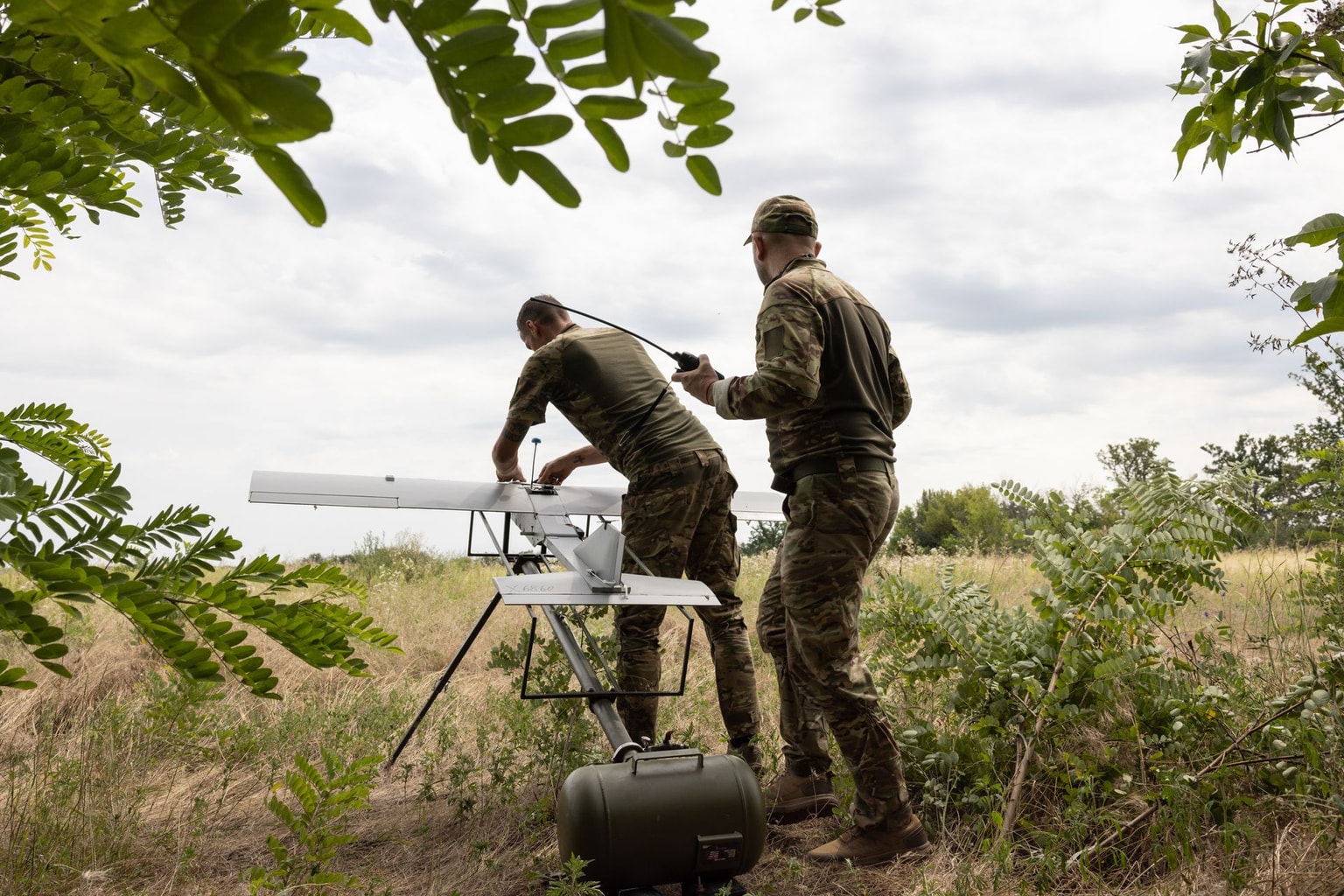
And as the nature of warfare shifts globally, unmanned systems unsurprisingly dominated defense sector ventures, making up 26% of all partnerships, followed by air defense at 17%, and artillery at 10%.
Joint ventures position Ukraine as a key partner in the regional and global defense landscape, rather than just an aid recipient, according to the report. Ukraine gets help to repair, produce, and improve its defenses, while partners gain access to critical wartime data and technology amid a worsening geopolitical environment.
But at least 22% of the deals and memorandums of understanding have stalled amid complicated export legislation and unclear regulatory processes involving multiple government agencies, the report said.
"Our partners are interested in collaborating with Ukrainian industry, and are looking for one window to open. But there are a lot of windows, and you need to know which one to open in each case," Olena Bilousova, co-lead of KSE Institute’s defense research center and one of the report’s editors, told the Kyiv Independent.
"We still don't have this straightforward path from the memorandum to the working entity. Someone has to take their hands and guide them through each stage."
Deals with state-owned companies are most likely to stall compared with those between private companies, according to the report. Among private-sector partnerships, 96% are active, while only 62% are active among state-owned firms.
State-owned companies are less flexible and more burdened by bureaucracy than their private-sector counterparts, while managers are often not accustomed to processes such as due diligence, Marta Bukhtiiarova, co-lead of KSE Institute’s defense research center, told the Kyiv Independent.
At the same time, the Defense Ministry, which is facing an apparent $27 billion funding shortfall, cannot cope with overseeing the scale of the partnerships.
Joint ventures also need reliable partners on both sides to be successful. Germany is leading the way because its firms are well supported by Berlin in navigating the mountain of bureaucracy, and the country knows the exact type of technology and deals it wants, namely deep-strike technology and intelligence, Bilousova said.
But some partners don't fully understand the war and set unrealistic preconditions. In one case, a partner required a maintenance and repair center to be built near the Polish border for security reasons, without understanding that it would be impractical to deliver a tank hundreds of kilometers from western Ukraine to the front line, Bilousova said.
Bottlenecks
One of the main bottlenecks for partnerships is export restrictions, according to the report. While Ukraine’s State Export Control Service officially eased export rules for dual-use goods in July following demands from the defense tech sector, obtaining an export license is still a convoluted process with no guarantees.
Defense firms say exporting goods is the only way to grow as a company and is key to attracting investment and reducing costs. For most firms, both Ukrainian and foreign, the Ukrainian market is simply not big enough, and the end goal is to export products to the global stage.
For now, partnerships are largely stuck producing products for the domestic market. Ukraine’s Defense Ministry has established two different tracks: Build with Ukraine, launched in June 2025, and Build in Ukraine, launched in October 2025.
The former covers production abroad intended for Ukraine and spans 41 partnerships, including Taf Industries’ deal with German firm Wingcopter to produce drones in Germany. While the latter attracts companies to Ukraine, with 41 companies across 60 partnerships, including BAE Systems, which has four Maintenance, Repair, and Overhaul (MRO) facilities in Ukraine.
"For Ukrainian companies, there’s an opportunity to establish facilities outside Ukraine and stabilize their operations, while attracting additional investment that can also help sustain their businesses in Ukraine," Bukhtiiarova said.
"For international companies, it’s about access to the technology, the data, and the front line. And when they establish successful joint ventures in Ukraine, it’s also about speed, because the processes and bureaucracy in Europe slows them down."
But these partnerships aren't without their headaches. One major snag is that Ukraine lacks the infrastructure to clearly guide and support participants from signing an agreement through to production.
Meanwhile, there is still no framework for intellectual property rights in joint ventures, while wartime foreign currency rules limit Ukrainian companies’ investments abroad and the profits international firms can repatriate from Ukraine.
"If we had a clear, standardized procedure, a company could obtain a license and then submit a request and agreement to export, for example. The outcome wouldn't depend on whether particular officials in a particular ministry have time to handle the request," Bilousova said.
"We should build a process that works in bulk, handling many requests at once rather than one by one."
Despite the current restrictions, the KSE Institute believes that joint ventures will continue to be signed going forward. Ukrainian companies that have seen successful projects are already looking to start new ventures in other countries, according to Bilousova.