Russia using North Korean laborers on student visas to illicitly build drones, report says
 on Google
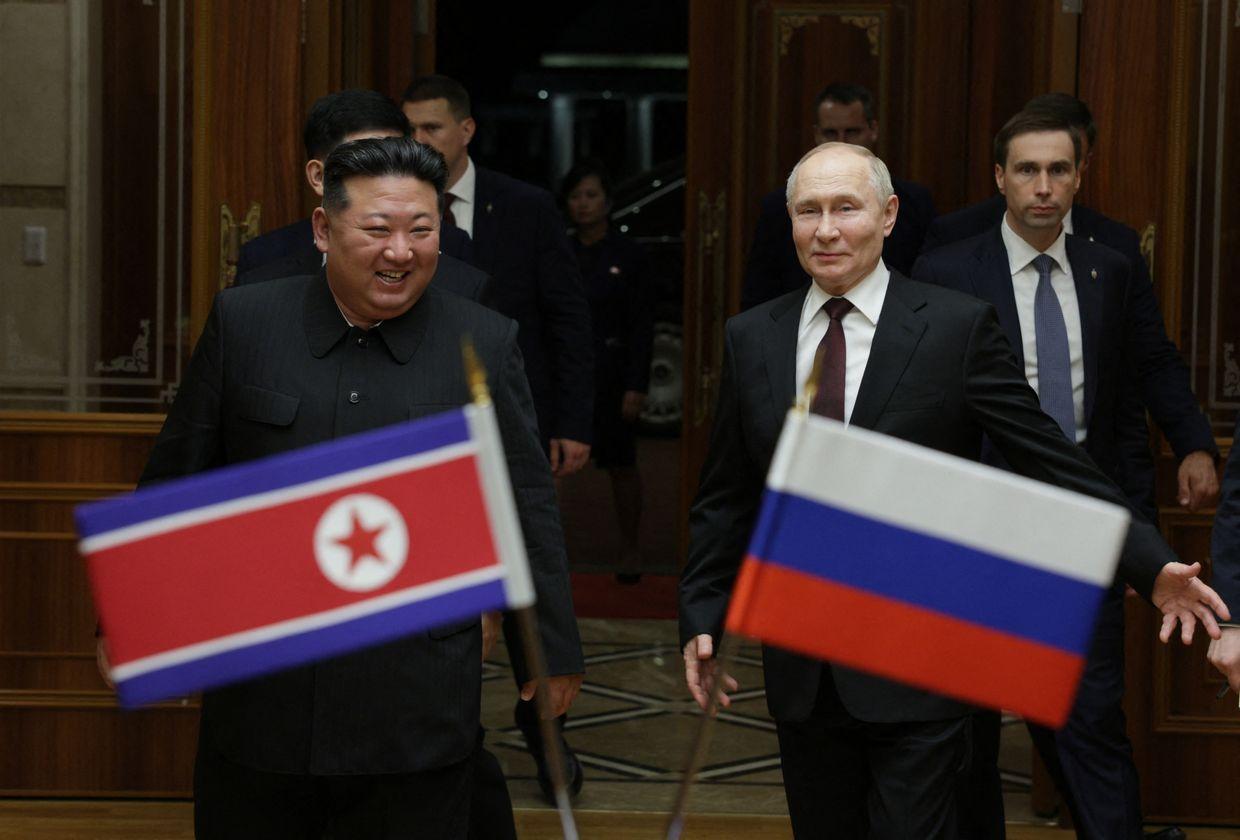
Russia is increasingly using North Korean laborers to manufacture military drones in violation of international sanctions against North Korea, according to a report published by the Multilateral Sanctions Monitoring Team on Sept. 16.
The Multilateral Sanctions Monitoring Team is a group of 11 countries, including the United States, that monitors and reports on efforts to evade U.N. sanctions against North Korea and its allies.
According to the report, Russia "created a student visa scheme to camouflage North Korean laborers in Russia as students." The scheme generates revenue for North Korea that can be used to fund Pyongyang's "unlawful weapons programs," the report says.
Russia and North Korea have established an "extensive ecosystem of state-led sanctions evasion activities and corruption," the report says. This includes "utilizing student and tourist visas instead of work permits, adjusting Russian law to allow those on student visas to earn income," and "bribing Russian universities."
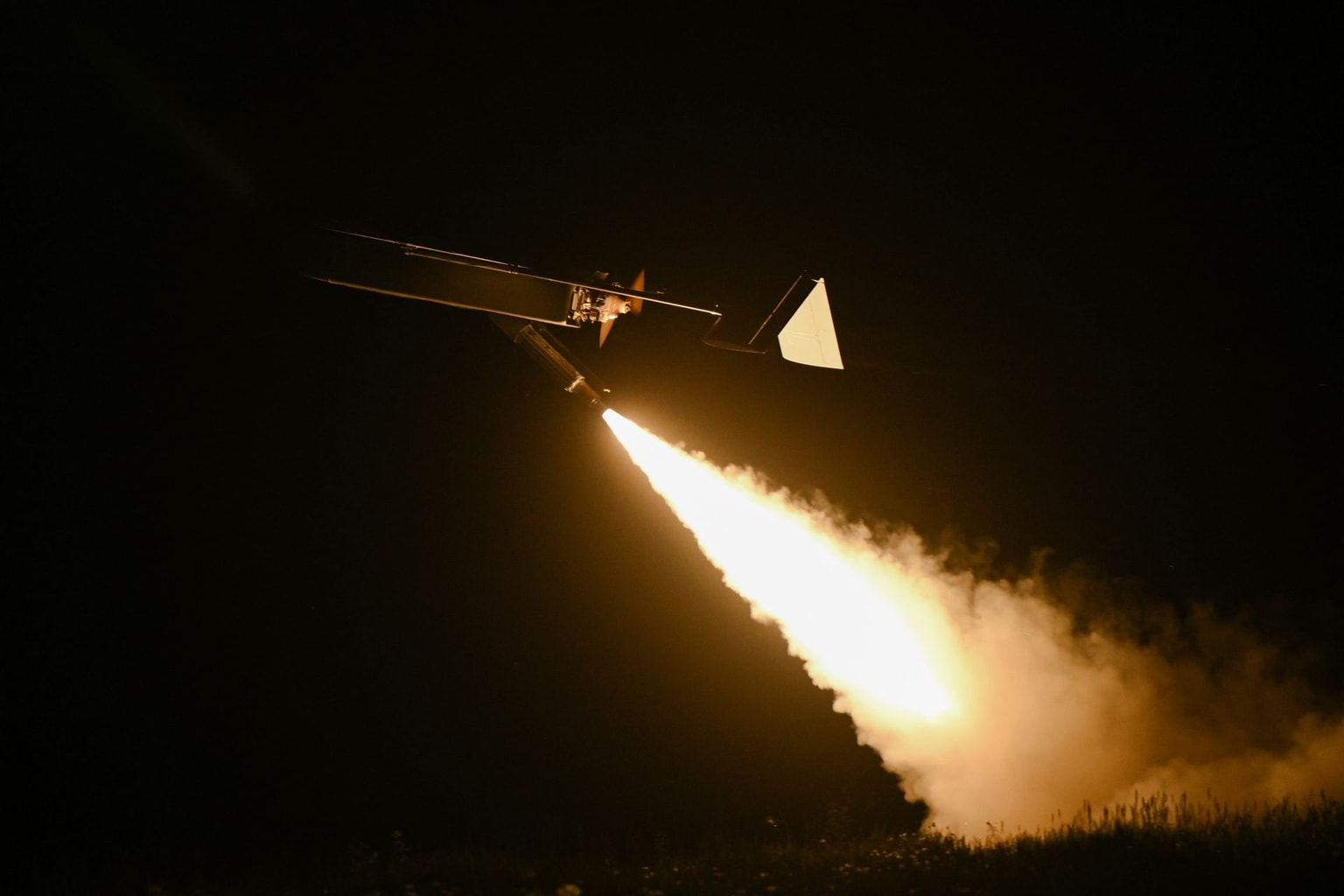
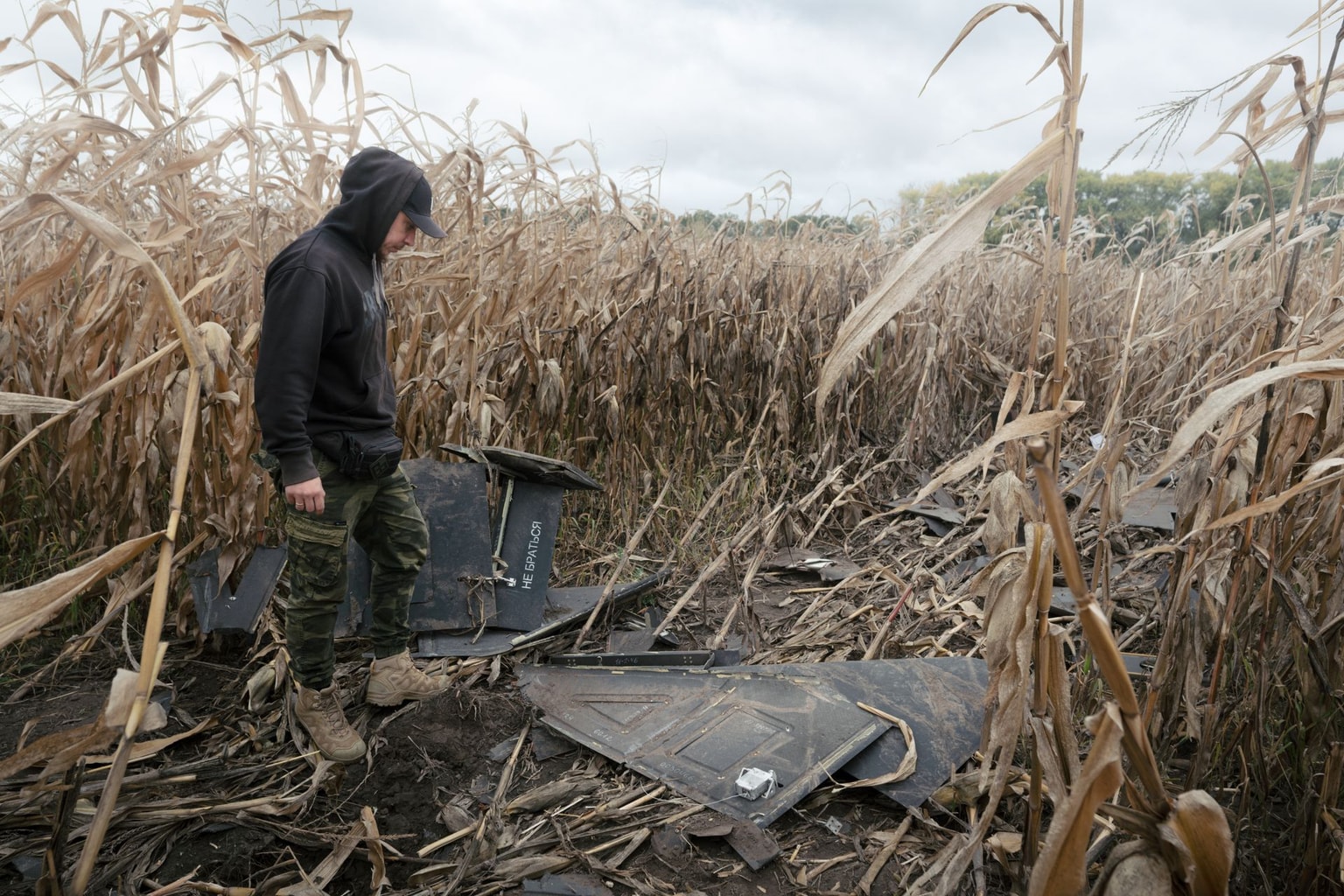
An estimated 15,000 to 30,000 North Korean workers were employed illegally in Russia in 2025, according to the report. The majority were "manufacturing military drones for Russia on Russian soil," including at the Alabuga drone plant in Tatarstan.
The report estimates that Pyongyang's illicit overseas labor program generated between $450 million and $800 million in 2025 alone. Each North Korean worker employed illegally in Russia generated an estimated $7,500 in annual wages, according to the report.
North Korea has become one of Moscow's closest allies since Russia launched its full-scale invasion of Ukraine. It is the only country to have officially sent troops to support Russia's war, while also supplying large quantities of military equipment, including ballistic missiles, artillery shells and rocket launchers.
In April, North Korean dictator Kim Jong Un opened a museum honoring North Korean soldiers who fought alongside Russian forces in the war against Ukraine.