Russia rejects truce, kills 5 in attack on Dnipropetrovsk Oblast
 on Google
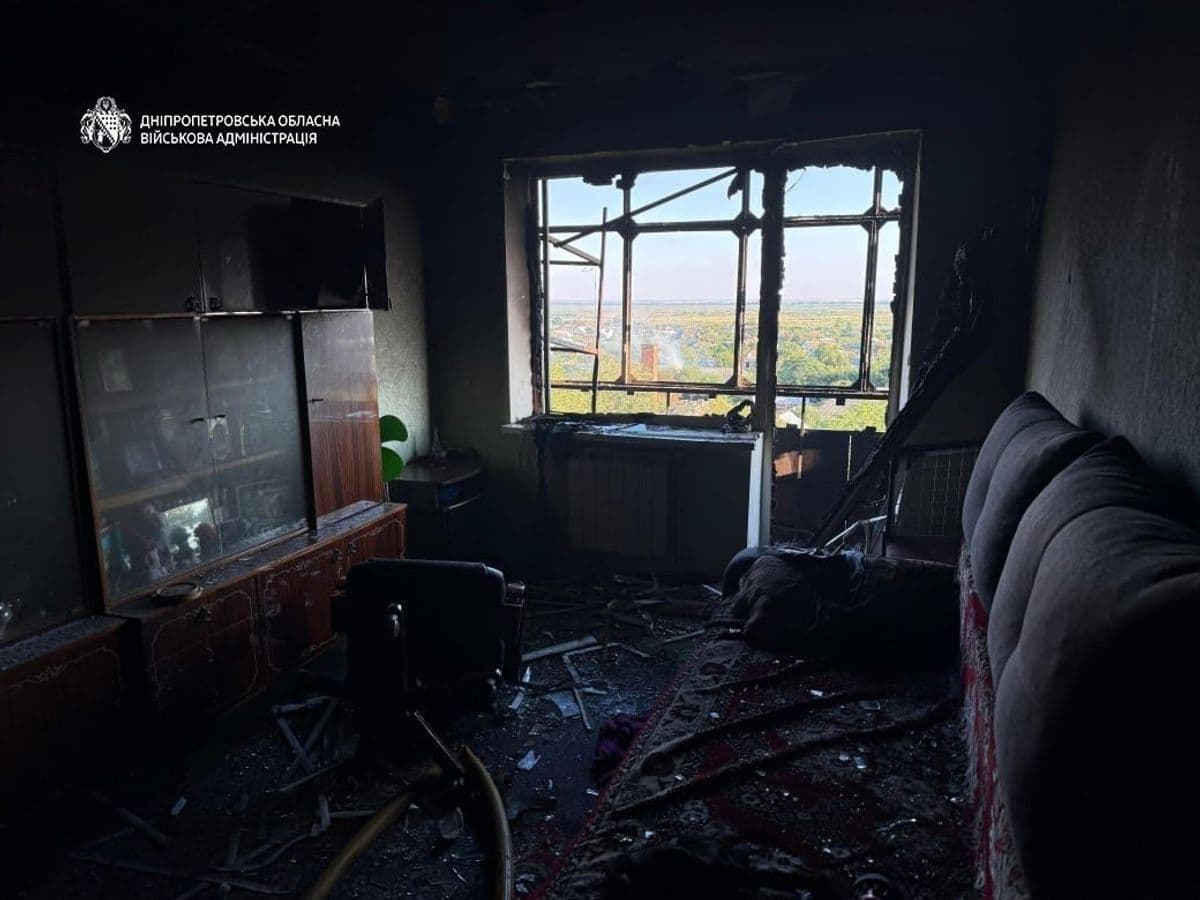
Russia attacked the city of Kamianske in Ukraine's Dnipropetrovsk Oblast in the early hours of Sept. 5, killing five people and injuring five others, regional Governor Oleksandr Hanzha reported.
The attack came hours after Ukraine reportedly ordered troops to observe a temporary ceasefire while U.S. envoys traveled to Kyiv and Moscow to revive peace talks.
Ukraine's Armed Forces later clarified that fighting on the front was continuing because Russia had not stopped its aggression. The military told Ukrainska Pravda on Sept. 5 that a ceasefire could not be "unilateral" or "asymmetric."
Russia responded to the proposed ceasefire with bombs. According to Hanzha, Russia attacked Dnipropetrovsk Oblast with missiles, drones, and artillery overnight and in the early morning.
The attack against Kamianske killed five people and injured five others, Hanzha said. Three of the injured victims were hospitalized, including one 30-year-old woman now being treated in intensive care.
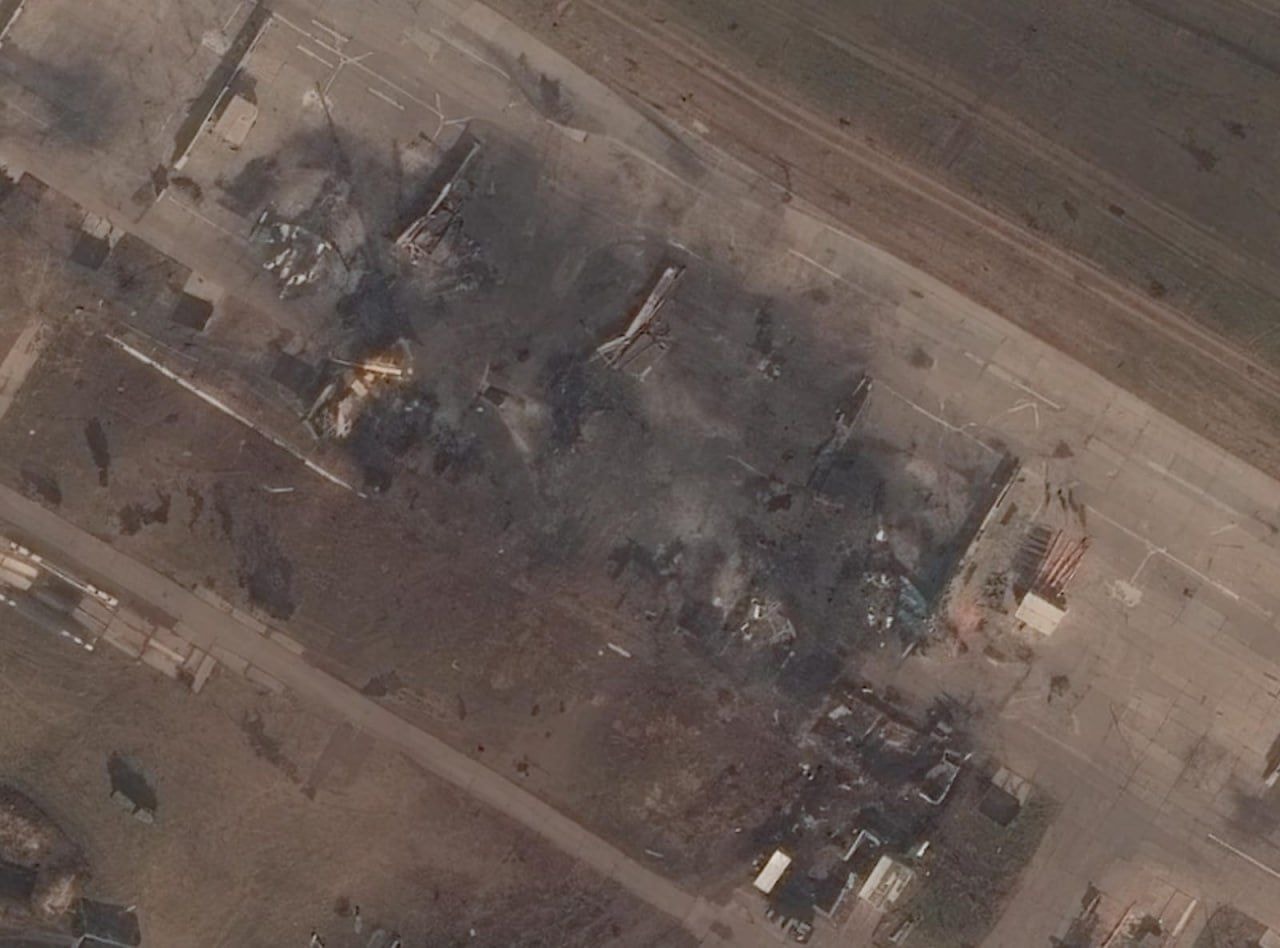
An industrial facility was struck in the attack, Hanzha said. The governor did not provide details on the target.
Earlier in the night, Ukraine's Air Force warned that Russian ballistic missiles were flying toward Kamianske.
While Kyiv held back from striking Russia's refineries and logistics hubs, air raid sirens blared in cities across Ukraine throughout the night. Attacks in Kyiv and the surrounding region struck a residential building and injured at least two people.