Russia begins 3-day legislative elections as Kremlin seeks to project support for war
 on Google
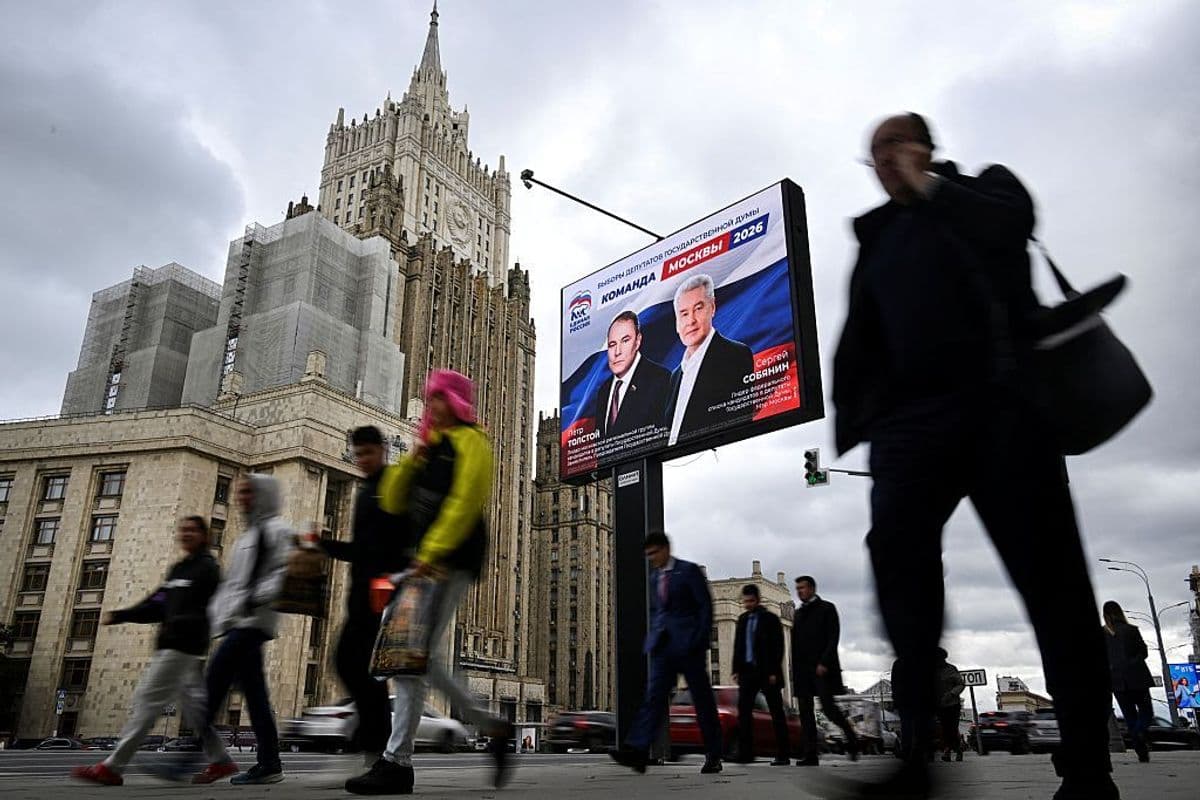
Russia on Sept. 18 began its three-day elections for the 450-member State Duma, the lower chamber of Russia's legislature, for the first time since the outbreak of the full-scale war in Ukraine.
Russian voters will also go to the polls to cast their ballots for 11 regional governors and 39 regional parliaments.
Elections in Russia are tightly controlled by the regime but can help the Kremlin gauge the level of public support for the invasion of Ukraine, now ongoing for more than four and a half years.
The ruling United Russia party, backed by Russian President Vladimir Putin, is broadly expected to maintain control over the Russian legislature.
Other parties permitted to run, such as the Communist Party or the ultranationalist Liberal Democratic Party (LDPR), are part of the so-called "systemic opposition," a group of Kremlin-aligned parties meant to create the appearance of democratic competition.
Yabloko, Russia's only anti-war party, was barred from running in August, while other "non-systemic opposition" politicians in Russia have been persecuted, forced into exile, or killed.
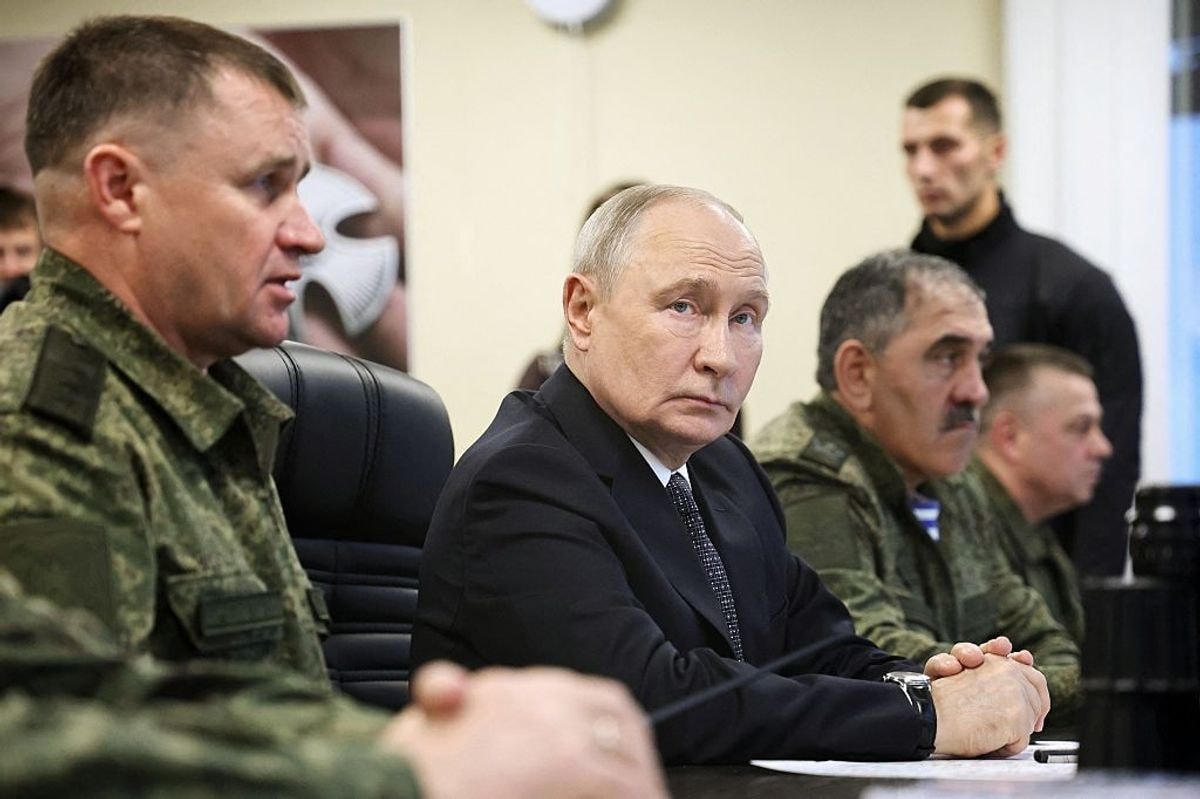
Speaking days before the elections, Putin framed the vote as a chance for the Russian people to demonstrate their support for the war in Ukraine.
"Your choice and your will will once again demonstrate that millions of people stand behind our troops, that we are a single people, united by common values, historical memory and love for the Motherland," the Russian leader said in an address on Sept. 16.
Democracy watchdogs regard the Russian elections as neither free nor fair, and independent Russian media have already reported intimidation of election observers and coercion of voters in the run-up to the vote.
The last State Duma elections took place in 2021, a few months before Russia launched its full-scale invasion in Ukraine. This year will mark the first time that Moscow will illegally hold elections for the State Duma also in the Ukrainian territories occupied after 2022.