Ukraine, Germany sign agreement in Kyiv to deepen defense cooperation, plan joint drone production
 on Google


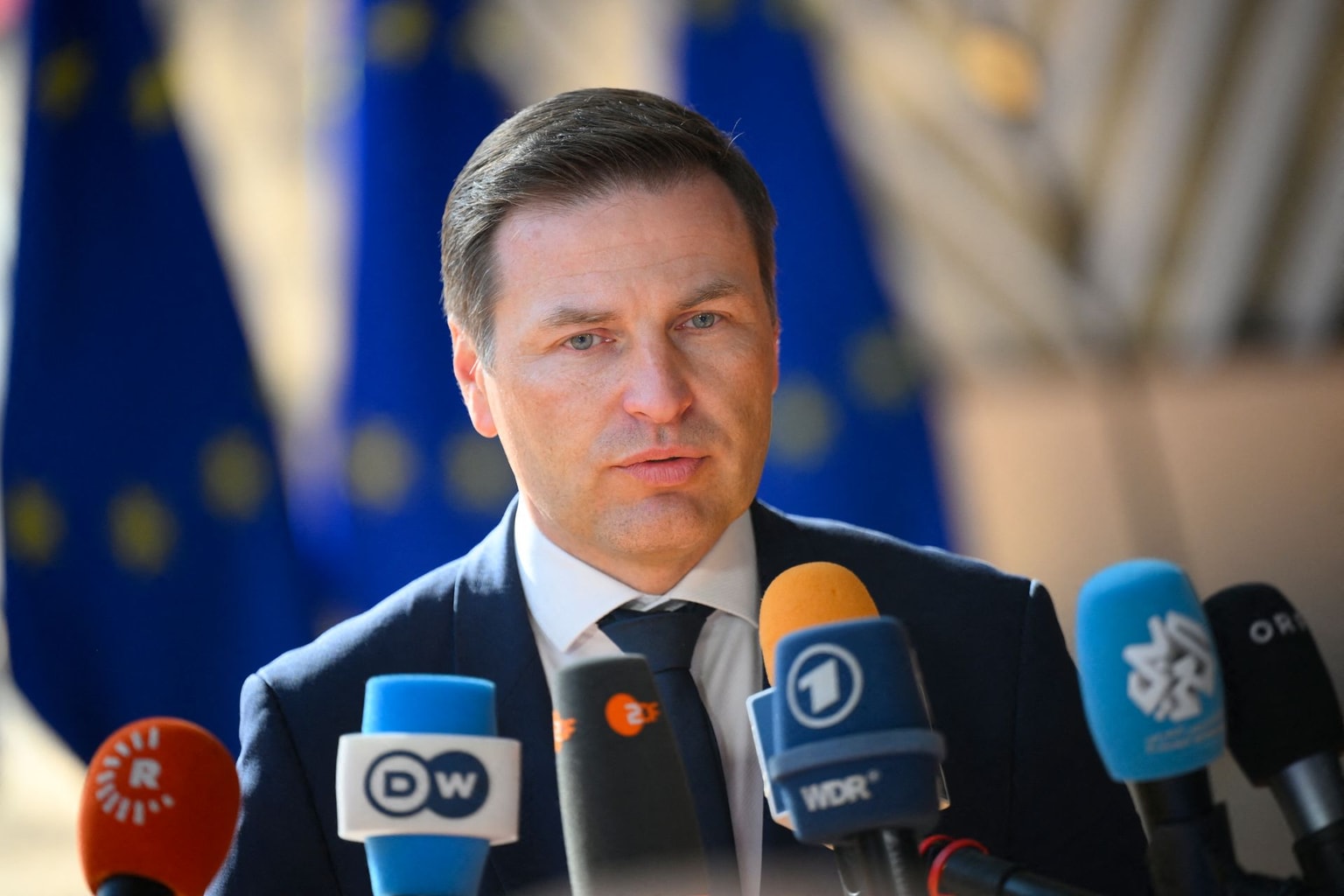
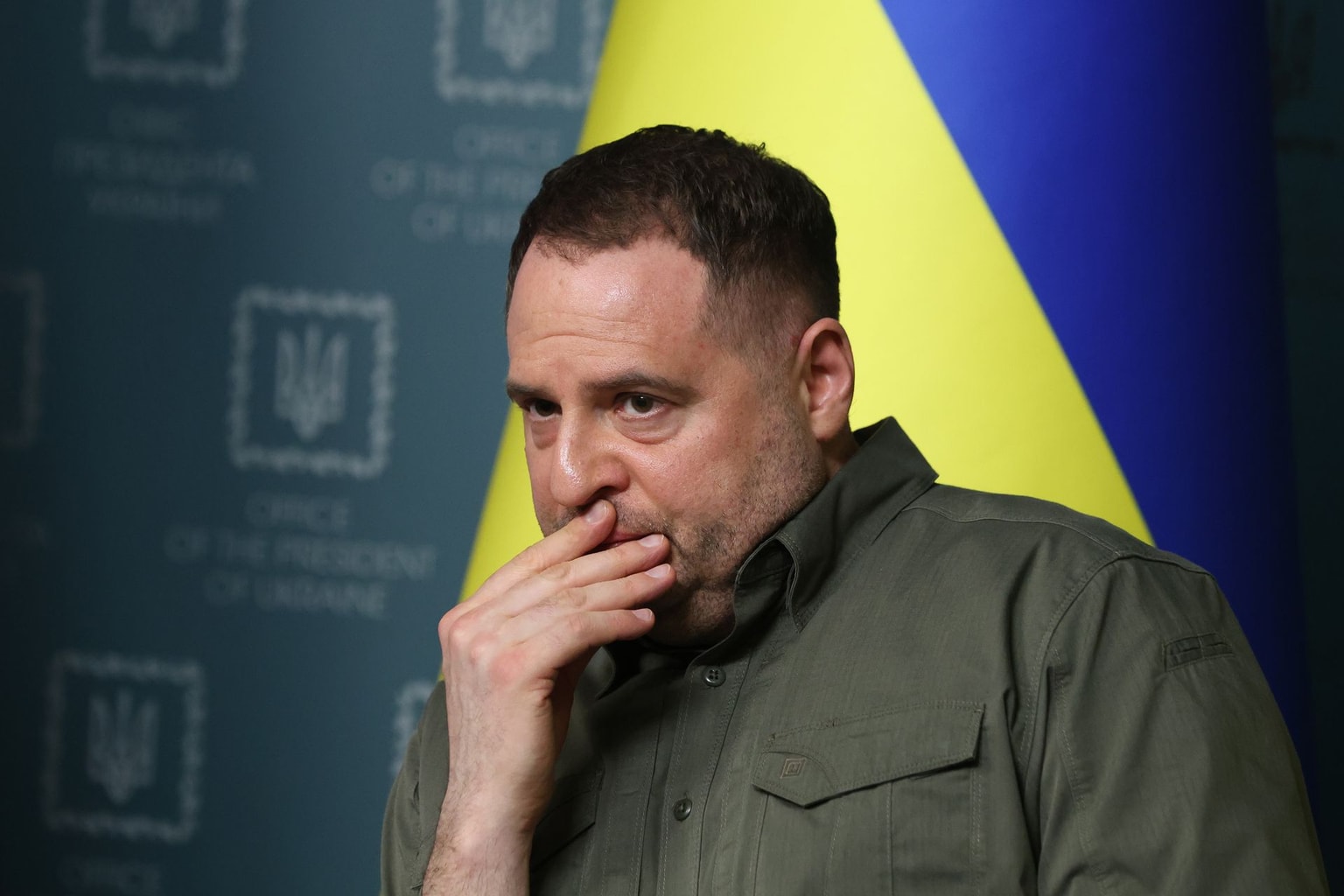
German Defense Minister Boris Pistorius and Ukrainian Defense Minister Mykhailo Fedorov signed a letter of intent on May 11 to deepen cooperation in the development of defense technologies, Ukrainian news agency Ukrinform reported.
The signing came on the same day Pistorius arrived in Kyiv on an unannounced visit, which was set to focus on expanding defense cooperation between the two countries.
The participants announced the launch of "Brave Germany," a joint initiative aimed at advancing defense technologies and supporting innovative startups, according to Ukrinform.
Backed by Ukraine's Brave1 defense-tech platform, the project will provide grants to Ukrainian and German companies operating in the defense sector, Ukraine's Defense Ministry told the Kyiv Independent.
"Today, Germany is the world's leading provider of security assistance to Ukraine, accounting for about one-third of all aid to our country," Fedorov said.
"I would also like to express my gratitude for the quality of this support and for the assistance provided in key areas of our defense — first and foremost, air defense."
Speaking about future defense cooperation with Germany, Fedorov said Kyiv and Berlin signed a major contract on April 14 for the procurement of hundreds of missiles for Patriot air defense systems, with Germany already beginning to finance the deal.
"Next year we will begin receiving these missiles, and this is an unprecedented aid package for us," Fedorov said, thanking Germany for its support in other areas of air defense as well, including funding for interceptor drones, IRIS-T systems and missiles for them.
Fedorov added that Germany has also begun funding capabilities for medium- and long-range strikes against Russian targets supporting the war against Ukraine, while allocating initial funding for Ukraine's drone assault units.
According to Fedorov, Ukraine remains interested in German Taurus missiles, which have a range of up to 500 kilometers (310 miles), though Kyiv already possesses weapons with similar capabilities.
"You can never have too many of these weapons," Fedorov said.
"We have all seen strikes against Russia from 1,500 kilometers (930 miles) away. That is why Ukraine is doing its homework well," the Ukrainian minister added, without specifying the weapons systems involved.
Germany and Ukraine also plan to jointly develop drones with varying ranges, including systems capable of traveling up to 1,500 kilometers (930 miles).
Pistorius said that for Ukraine, "the development of long-range drones is of immense importance for striking back at Russian military infrastructure."
The German defense minister also pointed to Ukraine's extensive use of drones capable of overwhelming enemy air defenses — a capability "that NATO is also working intensively on."
Pistorius added that Berlin also plans to conduct a detailed study of Ukraine's DELTA battle management and situational awareness system in the second half of the year, exploring the possibility of integrating it — or specific components of it — into the needs of the Bundeswehr, Germany's armed forces.