Ukraine searches 100 illegal vape shops in clampdown on shadow economy
 on Google
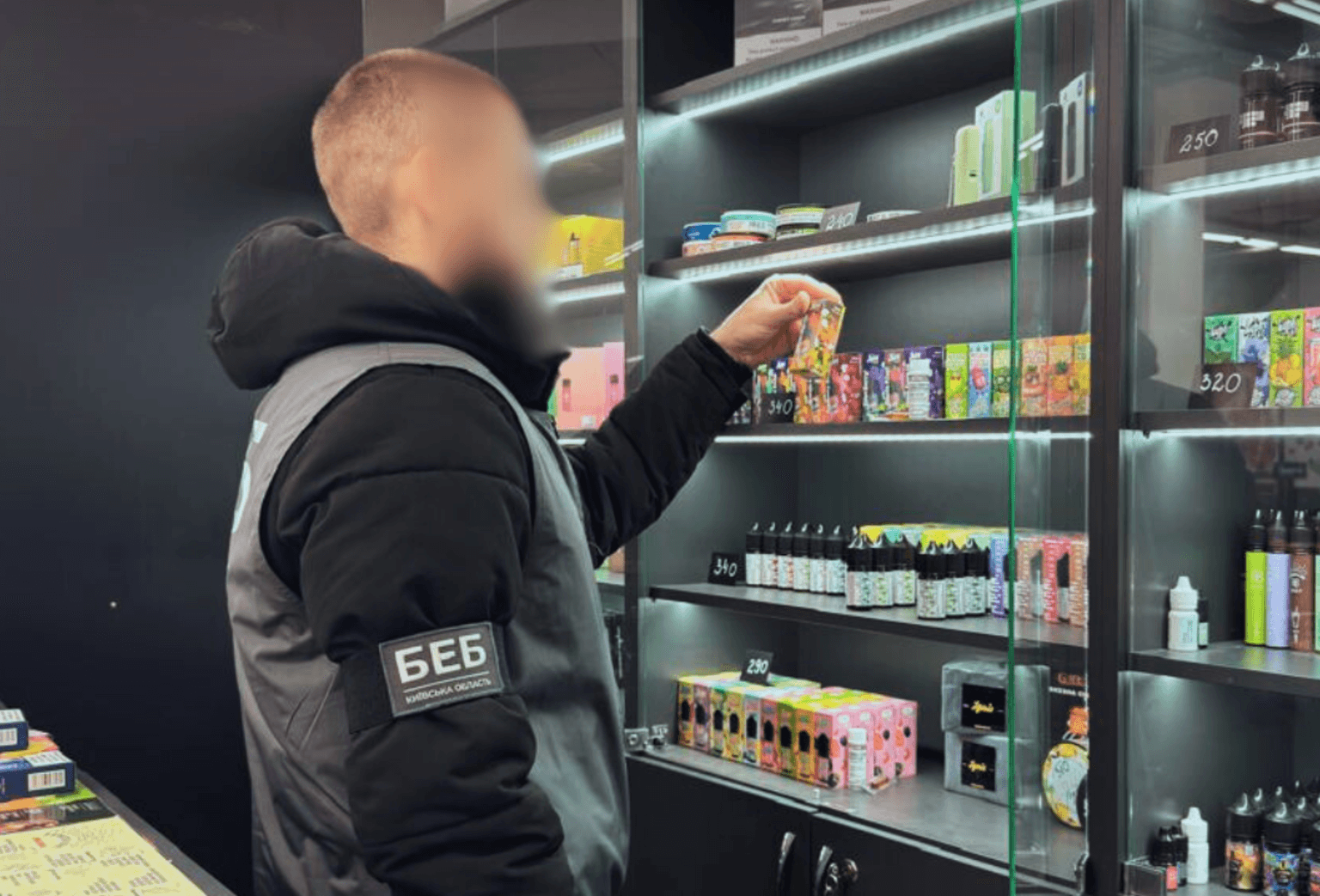
Ukraine’s law enforcement launched around 100 searches on illegal vape vendors on May 12 as the country grapples with its massive shadow economy and seeks revenue for its strained state budget.
Ukraine’s business police, known as the Bureau of Economic Security, searched and confiscated products from e-cigarette sellers in 12 regions, including Kyiv, Lviv, Odesa, and Zakarpattia, Pavlo Buzdyhan, the bureau’s deputy director, told the Kyiv Independent.
In one of Kyiv’s most prominent shopping malls, Gulliver, a Kyiv Independent reporter witnessed two detectives bagging and logging evidence from a vape kiosk.
The operation comes as the bureau — under the leadership of Oleksandr Tsyvinsky, who took office last August after the government controversially tried to block his selection — ramps up efforts to tackle tax dodgers that cost the country up to $24.4 billion in lost revenue each year.
A day earlier, prosecutors charged President Volodymyr Zelensky’s former chief of staff, Andriy Yermak, with money laundering linked to the construction of a luxury residential compound outside Kyiv, in one of the highest-profile anti-corruption cases of Zelensky’s tenure.
Once seen as a financial mafia that carried out heavy-handed raids, Tsyvinsky has worked to reform the bureau in recent months by focusing on reining in illegal businesses in specific sectors such as tobacco, alcohol, gambling, electronics, and construction.
His goal, he told the Kyiv Independent in an interview last October, is to return money to the state budget to help the war effort, which costs Ukraine $120 billion annually — nearly 70% of its gross domestic product.
Vape shops are also in the bureau's sights. They are commonplace across the country, with 20% of people ages 18 to 29 puffing on e-cigarettes — even more than tobacco products — according to a Kyiv International Institute report published in March.
The vape industry is flooded with dodgy producers and sellers that smuggle goods, hide up to 90% of their tax obligations from authorities, or manufacture vapes and liquids without a license, Buzdyhan said.
Last month, the bureau uncovered a gang that produced and sold illegal e-cigarette liquids through a network of shops in Kyiv and the surrounding region, seizing Hr 30 million ($685,000) worth of products from 70 raids.
The searches today are part of an investigation that started nearly a year ago and is larger, Buzdyhan said, because it covers a much broader market and more shops. For now, however, the bureau still has to analyze the evidence to determine how much money the scheme cost the state.
While the bureau has identified some suspects, investigators still have not found everyone, and no arrests have been made.