France cannot finance Ukraine 'without anything in return,' far-right leader says
 on Google
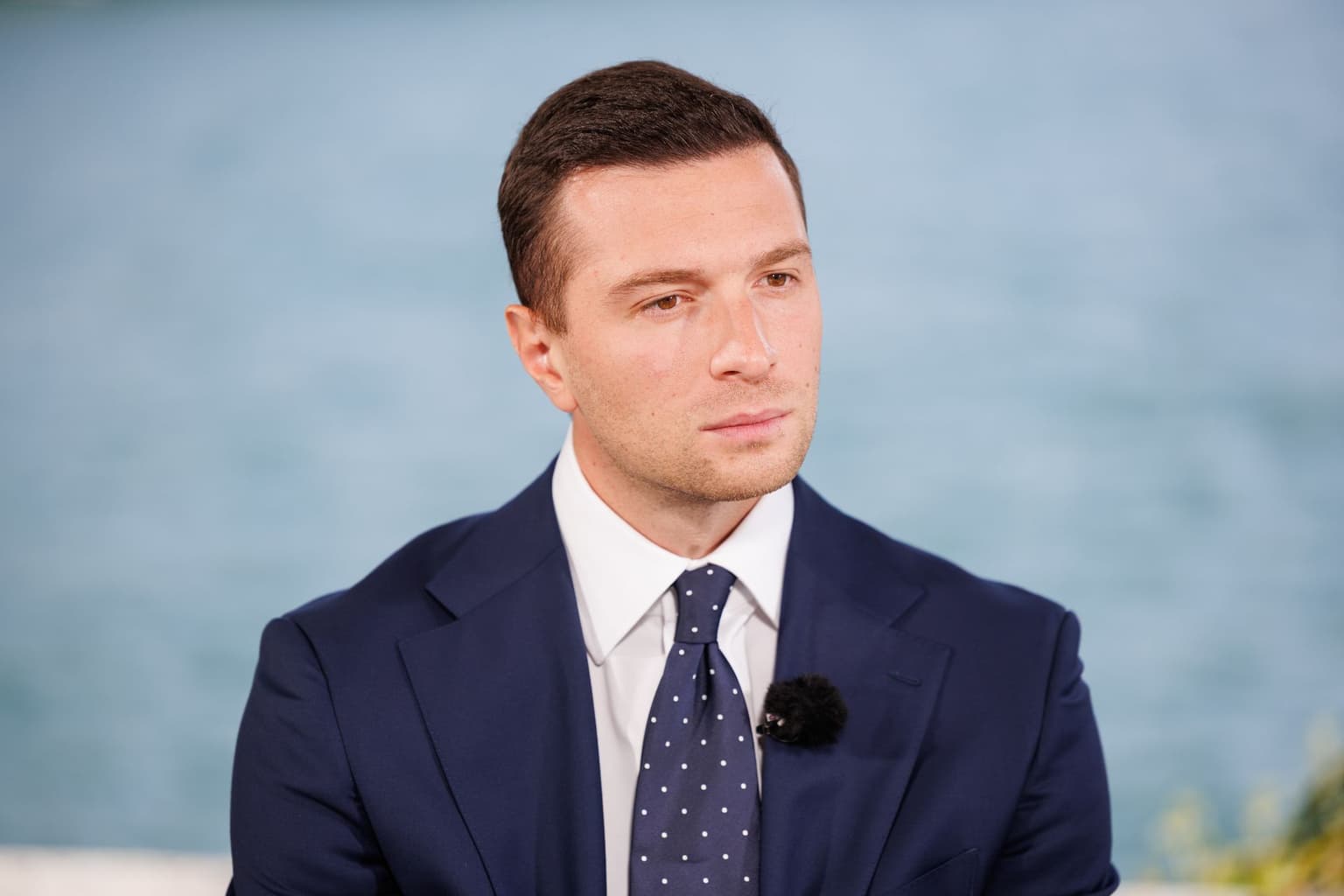
France cannot continue financing Ukraine indefinitely and without any guarantees, co-leader of the far-right National Rally (RN) party, Jordan Bardella, said in an interview with Bloomberg TV, published on Sept. 6.
The nationalist, anti-immigration RN has emerged as France's most popular political party, with its co-leader, Marine Le Pen, seen as the favorite in next year's French presidential election.
In the interview, Bardella nevertheless did not advocate for "abandoning" Ukraine completely, noting that France should help Kyiv defend its territorial integrity. The RN co-leader added that his party has long called for a ceasefire and security guarantees for Kyiv.
"But we cannot indefinitely finance a war effort, first without anything in return," the far-right politician stressed.
"And above all, giving another state resources that we no longer have," he said, adding that France is "drowning in deficit."
France has been one of Kyiv's most strategically important allies amid Russia's full-scale war, spearheading pro-Ukrainian initiatives and providing the war-torn country with jets, long-range missiles, intelligence support, and other aid.
French President Emmanuel Macron has also been one of the leading voices in the Coalition of the Willing, a group of over 30 nations coordinating assistance for Ukraine and preparing post-war security guarantees, including a potential deployment of a European-led peacekeeping force.
Macron will not run for office again next year as he is concluding his constitutionally permitted two terms, and opinion polls consistently show Le Pen defeating all other potential opponents.
While Bardella, her younger party co-leader, was expected to be the RN's presidential candidate after Le Pen was convicted of embezzlement last March and banned from running, a later court ruling in July reopened the path to her candidacy.
The RN has sought to backpedal on some of its pro-Russian stances after the outbreak of the full-scale war in 2022, but its leadership has nevertheless adopted a more reserved stance toward Kyiv and criticized the extent of support provided by Macron's administration.