Following attack on Moscow, Zelensky touts 'shift in the balance' on battlefield, signals more deep strikes
 on Google
President Volodymyr Zelensky hailed the Ukrainian military's efforts in delivering "significant" long-range strikes on Moscow overnight on May 16-17, describing them as part of a broader shift in momentum in Kyiv’s favor.
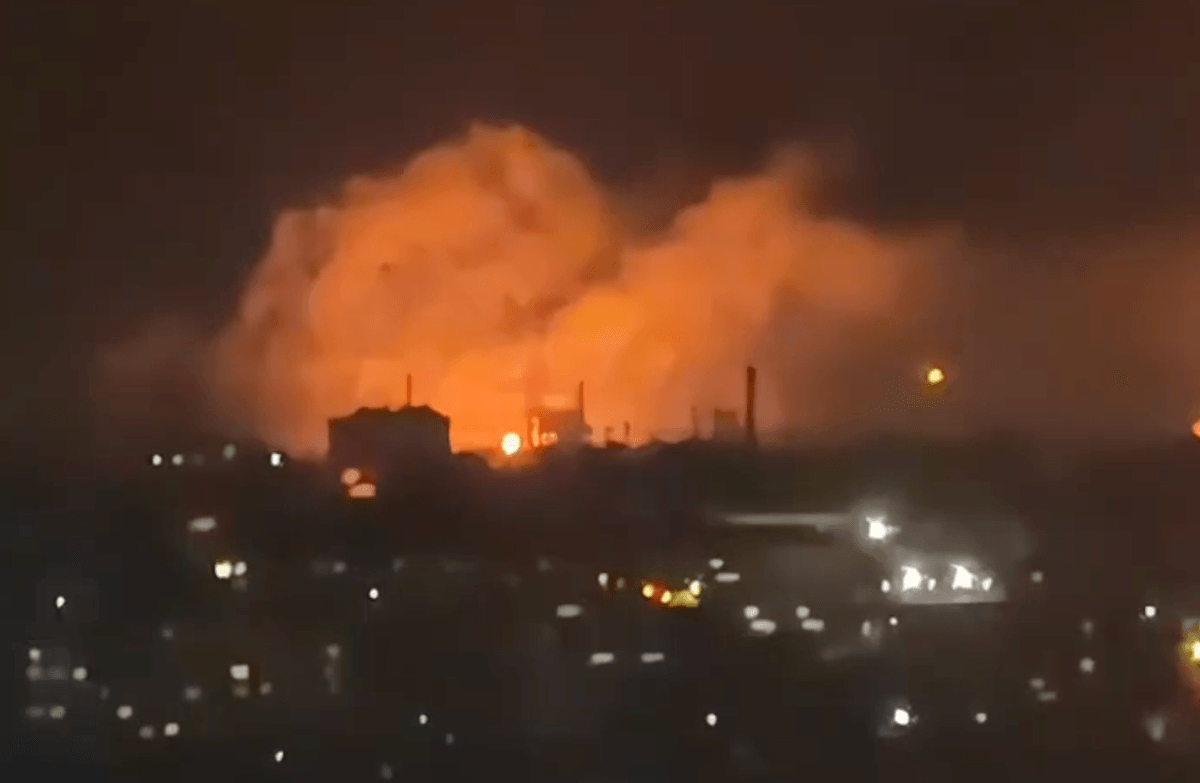
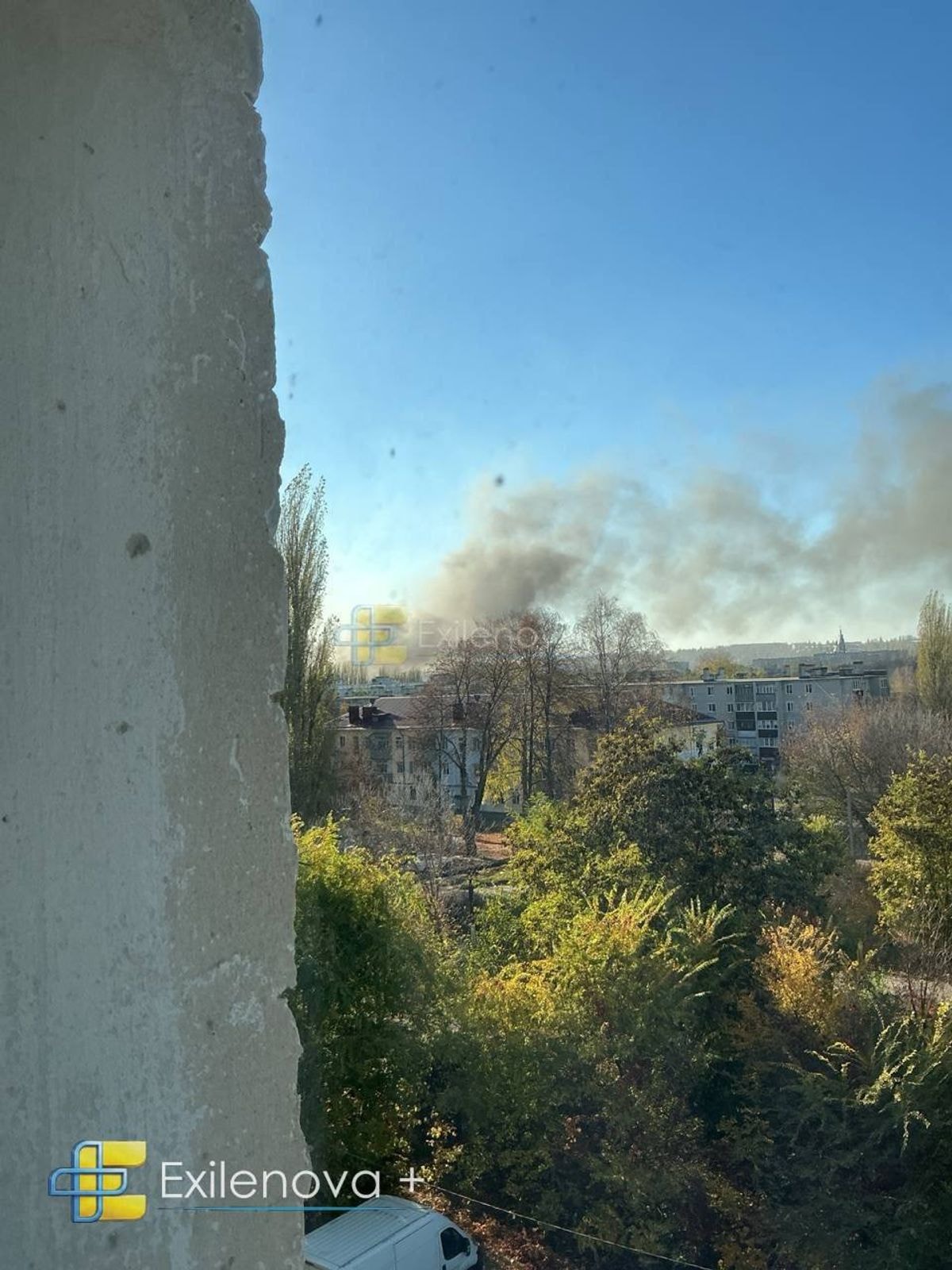
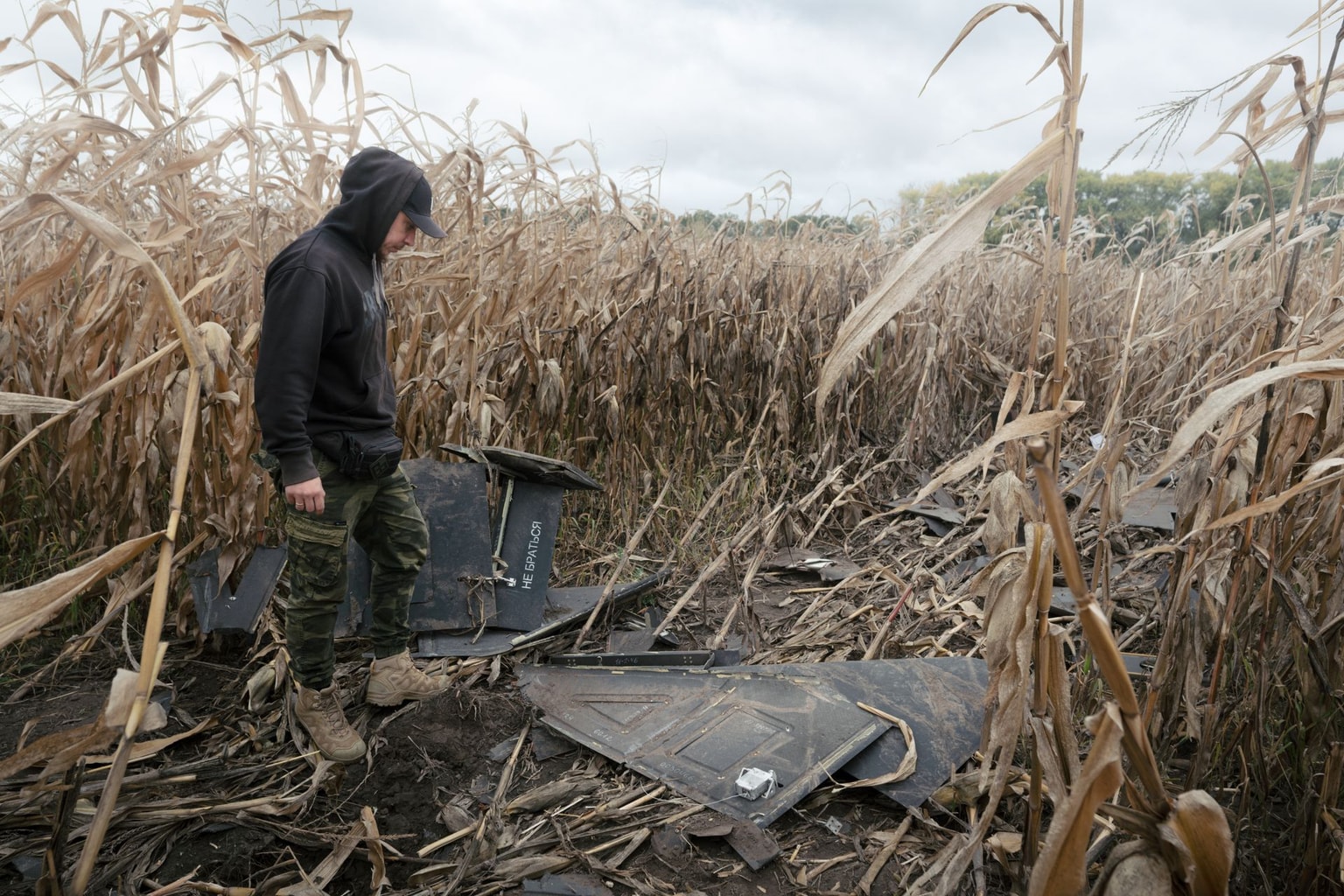
Ukraine's Security Service (SBU) confirmed on May 17 that it had conducted an operation jointly with Ukraine's Armed Forces, targeting military-industrial and fuel infrastructure in Moscow Oblast, including the Moscow Oil Refinery, as well as air defense systems and infrastructure at the Belbek military airfield in occupied Crimea.
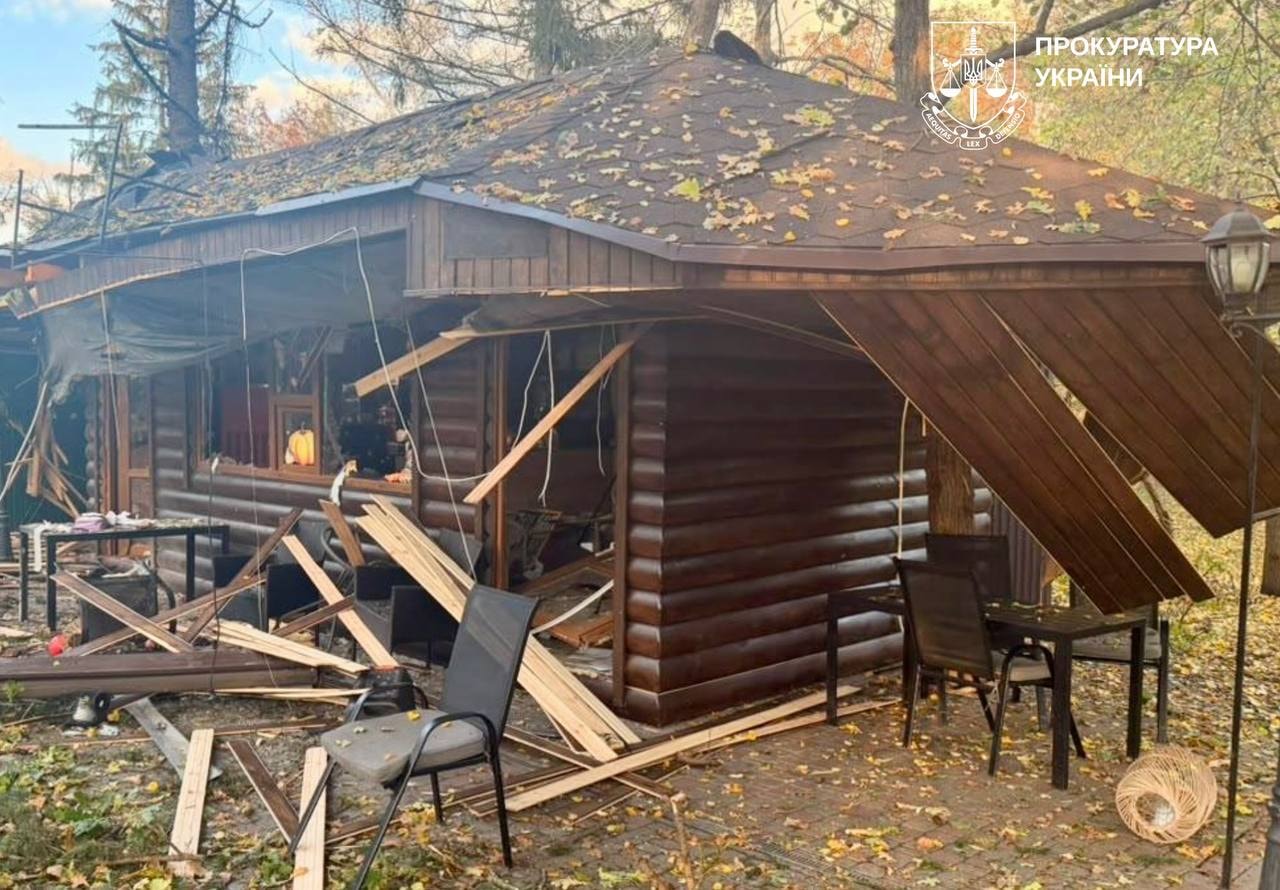
Russian authorities and local reports said that residential buildings had been damaged in the attack and that at least three people had been killed. Zelensky later commented on the attack, calling it "a completely fair response" to Russia’s ongoing strikes against Ukrainian cities.
"Many (Western) partners are now signaling that they see what is happening and how everything has changed – both in attitudes toward this war and in the reachability of Russian targets on Russian territory," Zelensky said of the attacks in his evening address on May 17.
Zelensky added that the strikes into Moscow served as a significant display of Ukraine's long-range capabilities, given the efforts the Kremlin has undergone to protect the Russian capital from attack. "But Ukrainian long-range steps are already overcoming this," Zelensky remarked.
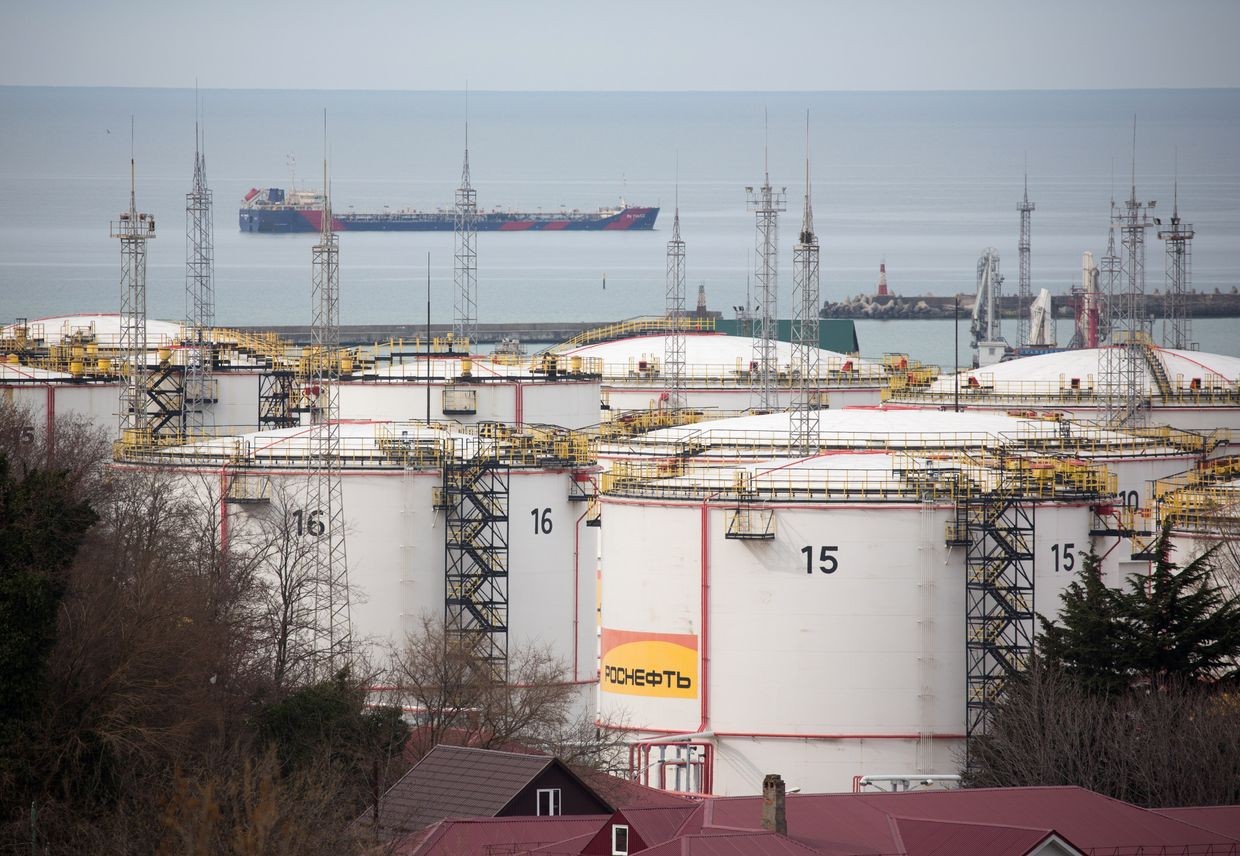
"As I said yesterday, Russians should be thinking about their refineries, their oil facilities and enterprises," he added, in a thinly veiled reference to Ukraine's long-range strike capability.
While Ukraine's military has regularly struck targets associated with Russia's military-industrial complex that fuel Russia's full-scale invasion, including oil refineries and weaponry plants, Kyiv has intensified attacks in recent months — with what appears to be a newfound capability to strike targets in area heavily fortified by Russian air defenses.
Following the attack on the Russian capital, Kremlin spokesperson Dmitry Peskov said on May 17 that Moscow could restart dialogue with Brussels as European officials continue debate the diplomatic engagement amid growing uncertainty over the United States' efforts to end Russia's war.
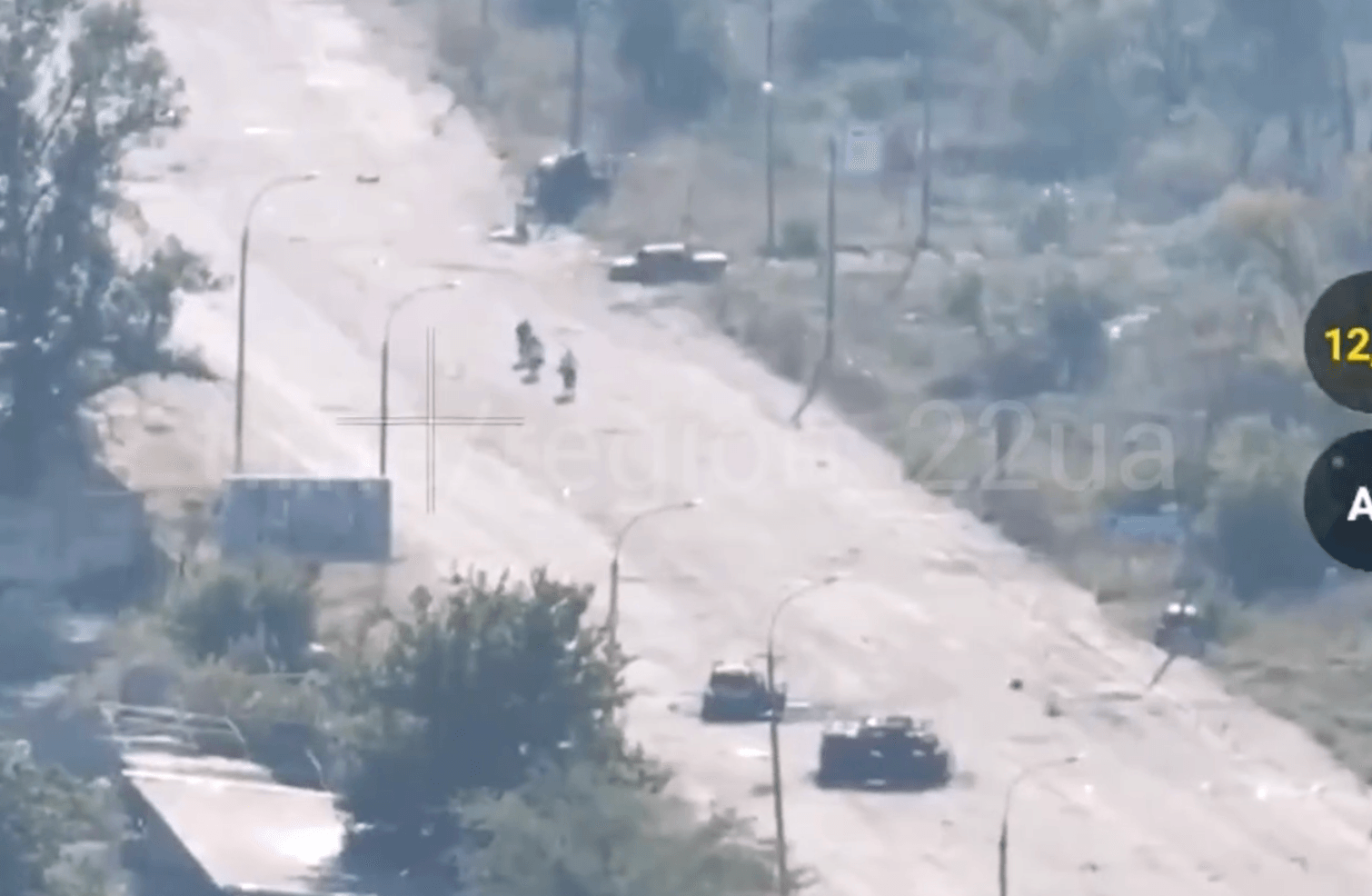
Momentum along the front line has also appeared to shift in recent months amid a "counteroffensive" lauded by Commander-in-Chief Oleksandr Syrskyi.
In his evening address, Zelensky said that Ukrainian monitoring efforts showed that there has been more Ukrainian "active operations" than Russian over a 24-hour period spanning May 16-17.
"A lot has been done this year, and the shift in the balance of actions on the battlefield is visible," Zelensky said, vowing to increase supplies needed to sustain active operations.
Ukraine’s military chief has said Ukrainian forces captured more territory in February than Russian troops, while Zelensky said Kyiv’s forces had liberated over 400 square kilometres (around 154 square miles) of Russian-occupied territory in eastern parts of the Zaporizhzhia and Dnipropetrovsk regions as of March. However, these claims are difficult to independently verify amid a highly contested front line, including so-called "gray zones" where control remains unclear.