Rubio reveals theory on Russia's war against Ukraine ahead of next US peace push
 on Google
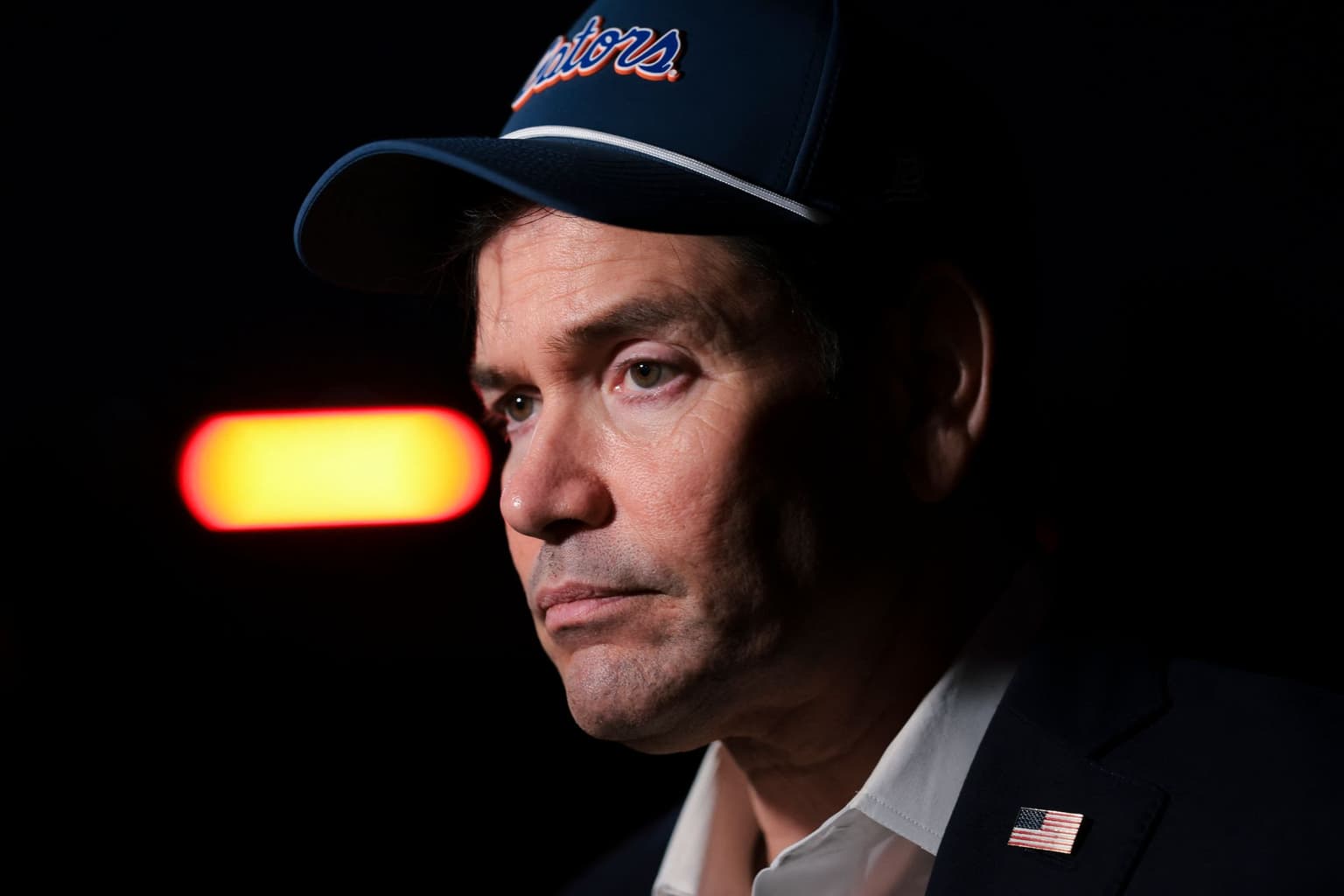
U.S. Secretary of State Marco Rubio said that Russia's full-scale war against Ukraine boils down to a dispute over Ukraine's eastern Donbas region, in an interview with India Today on Oct.22.
"(P)eople keep talking about it's a war in Ukraine. That war is about Donbas. It's about one region of the country," Rubio told reporters during a state visit to India.
"At its core, (the war) is about 11 percent of one part of that country that Russia wants and cannot take militarily and that Ukraine is unwilling to give up."
Rubio's comments, framing the war as a dispute over the region, come ahead of trilateral peace talks between the U.S., Ukraine and Russia in November. In recent weeks, the Trump administration has softened its stance on Russia, waiving sanctions and moving forward with purchasing Russian diesel.
In framing Russia's full-scale invasion as a narrow regional dispute, Rubio may be revealing where the Trump administration stands going into the next round of negotiations. It also exposes a profound misunderstanding of a years-long war of conquest that has reshaped Ukrainian society.
Russian drones and missiles have struck every single region of Ukraine, including western oblasts far from the front lines. Russia has also occupied territory beyond the Donbas region, including swaths of Zaporizhzhia and Kherson oblasts and the entire Crimean peninsula.
And while taking Donbas remains a goal for Moscow, Russian President Vladimir Putin has long signaled broader ambitions. At the St. Petersburg International Economic Forum in June 2025, he said Russians and Ukrainians are "one people" and that "in that sense the whole of Ukraine is ours."
The Donbas region, made up of Donetsk and Luhansk oblasts, is home to a key Ukrainian fortress belt in Donetsk Oblast: four industrial cities running north to south, including Sloviansk, Kramatorsk, Druzhkivka, and Kostiantynivka.
Capturing the entirety of the region has been a long-held Russian goal, but military deadlines to occupy it have repeatedly lapsed. Under the counteroffensive 'Operation Vivaldi,' Ukrainian forces have made advances as they pushed into occupied areas of Donetsk Oblast, and Ukrainian forces have retaken more territory than Russia has captured this fall, Zelensky said on Oct. 18.
As part of the U.S.-led peace process, Russia has demanded that Ukrainian forces withdraw from Donbas entirely, rejecting a ceasefire without such concessions and effectively demanding Ukraine surrender territory that Moscow has been unable to cease militarily.
When asked by reporters about the conflict, Rubio described the war as "difficult" and conceded that Ukraine has "good reasons" not to surrender its territory, including sovereignty and long-term security.
President Volodymyr Zelensky told reporters earlier this week that he would support freezing the front lines to end the fighting, a position Kyiv has held in the past and Moscow continues to reject.
While Rubio described the core of the war as a dispute "about one region of the country," Russian attacks across Ukraine have escalated dramatically in the past year.
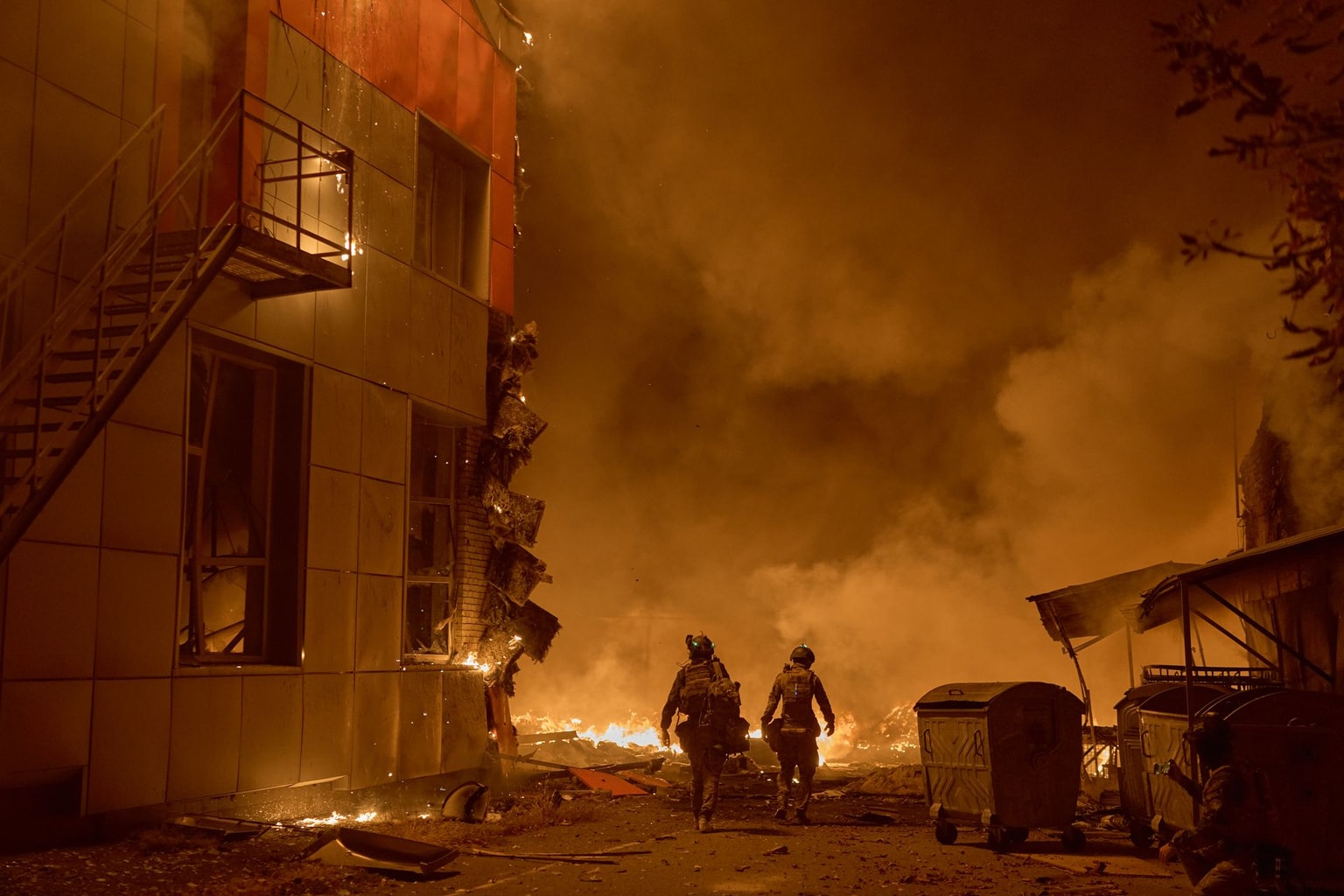
Just one day after Rubio's interview, Russian strikes on Ukraine's energy infrastructure on Oct. 23 killed eight civilians and wounded 67, Ukrainian officials said, with drone impacts recorded at 19 locations.
Kyiv, roughly 500 kilometers from Donetsk Oblast, has faced increasingly heavy overnight attacks.
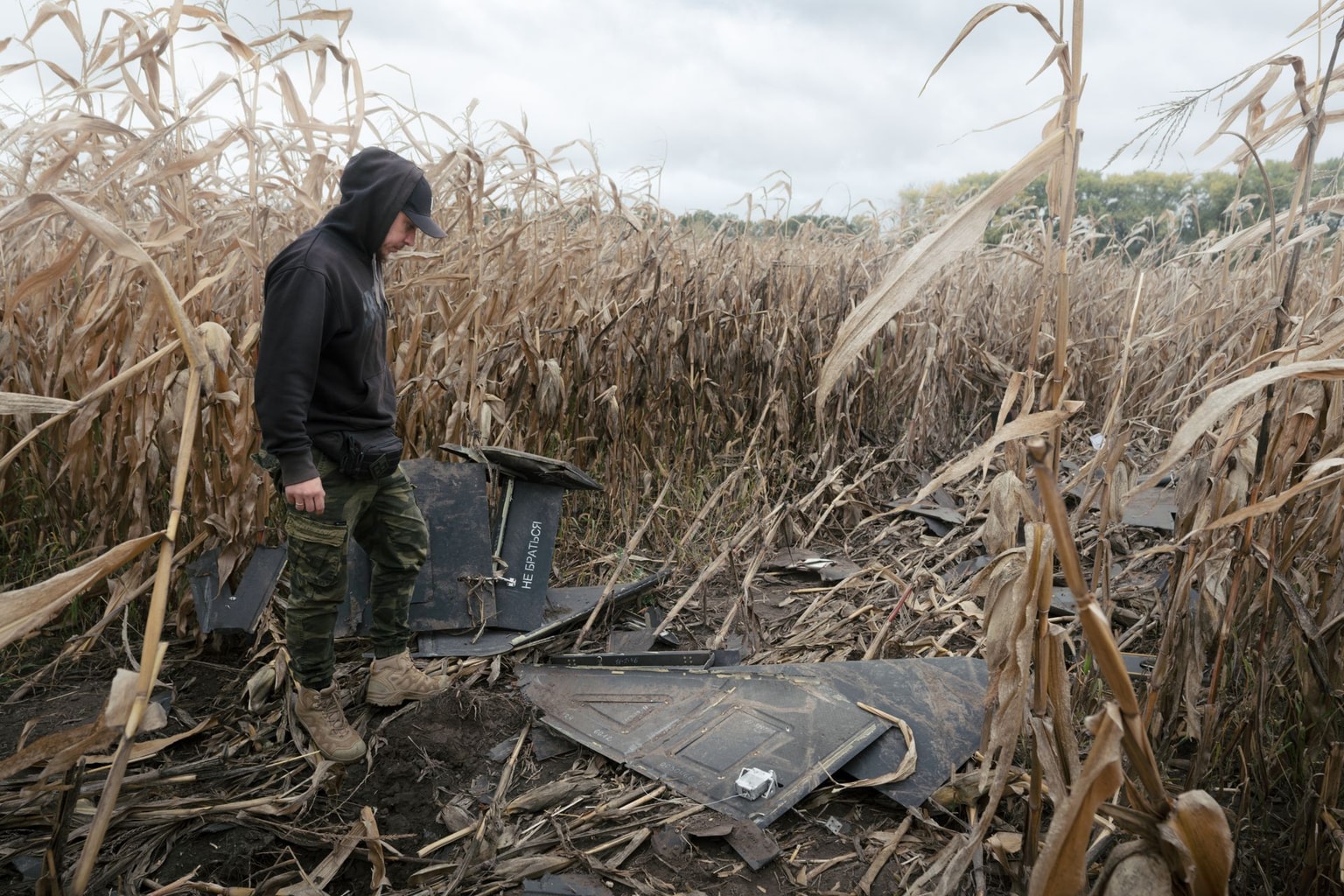
The impact of Russian strikes has also spilled over into neighbouring countries. A Russian jet-powered Geran drone came down near residential homes in a village in central Moldova on Oct. 23, in what Moldovan President Maia Sandu called "Russia's latest dangerous act."
Last year, during a diplomatic push to end the fighting. U.S. President Donald Trump said the "swapping" of land between Ukraine and Russia may have to take place to end the war. Various media outlets reported at the time that Moscow had suggested Ukraine hand over the entirety of unoccupied Donetsk.