Ukraine paused attacks on oil refineries for 3 days as Russia continued strikes on energy infrastructure, Zelensky says
 on Google

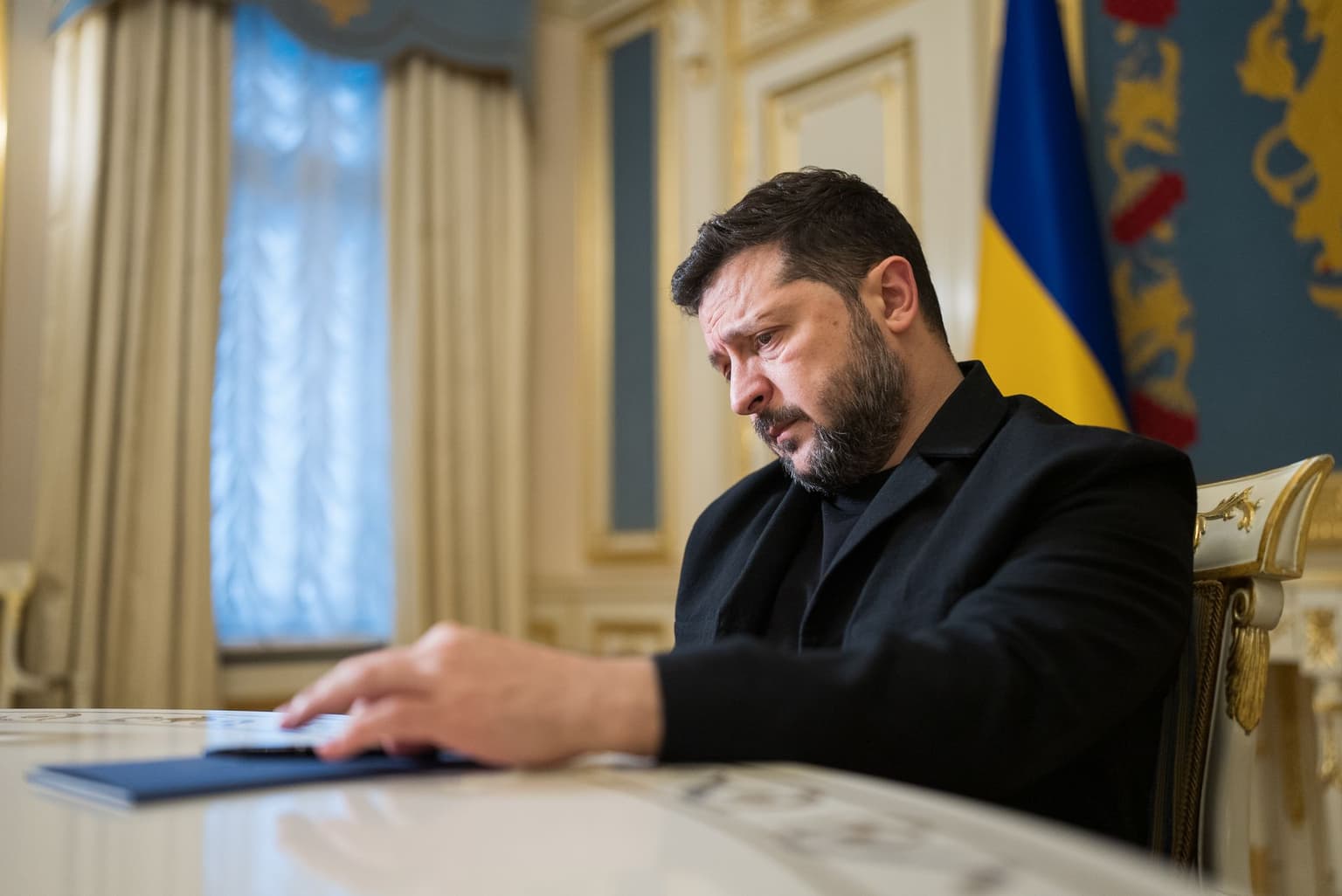
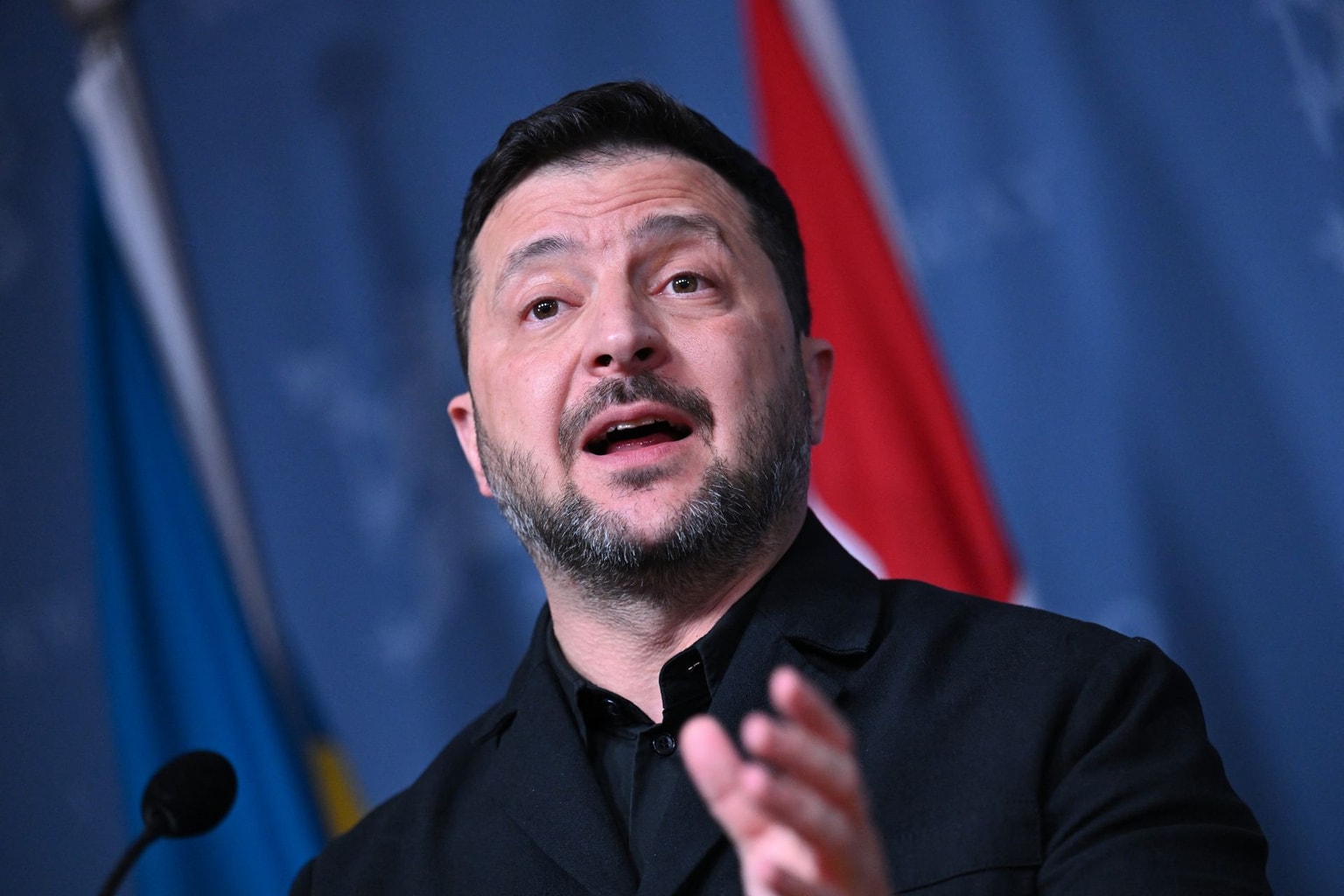
Ukraine halted attacks on Russian oil refineries for three days, while Russia continued striking Ukrainian energy infrastructure during the energy truce, President Volodymyr Zelensky told journalists at a closed-door briefing on Oct. 27.
U.S. President Donald Trump unilaterally announced on Oct. 11 that an energy ceasefire between Ukraine and Russia had taken effect.
Zelensky said Trump's announcement came as a surprise to him, adding that Kyiv was ready to observe the ceasefire. Russia, meanwhile, continued attacking Ukraine's energy infrastructure.
Ukraine was repeatedly asked to halt strikes on Russian oil facilities, a key source of revenue for the state budget that helps fund the Kremlin's war against Ukraine. Kyiv, in turn, made a de-escalation of Russian attacks on Ukrainian energy infrastructure a condition, Zelensky said.
In the first 72 hours of the energy truce, Ukraine suspended strikes on Russian oil refineries while its forces focused on other targets, the president added.
"I said, 'Let's respond calmly by striking other targets for at least 72 hours. We won't touch the oil refineries.' That didn't help. There was all kinds of rhetoric, and no one thanked us for those three days," Zelensky said.
During those days, Ukrainian forces acted "a little more cautiously," but were not ordered to refrain from responding to Russian strikes, according to Zelensky.
"There was the incident involving the Ryazan oil refinery (on Oct. 15). There were other operations as well. We targeted data centers and locations where Russian ballistic missiles are concentrated," the president said.
"We responded to their painful strikes, and we expect our responses to be felt by the Russians, too."
Zelensky added that Ukraine had not targeted ships carrying diesel fuel from Russia to the U.S. under a new agreement announced by Trump on Oct. 9.
On Oct. 17, Trump also postponed action on a bill introduced by U.S. Senator Lindsey Graham that would impose tariffs of up to 500% on Russian goods and 100% on imports from countries that are among Russia's five largest oil and gas buyers or help Moscow evade sanctions.
Meanwhile, the U.S. Treasury Department issued a general license suspending U.S. sanctions on Russian diesel fuel until April 2027.
Trump's decision drew criticism from Ukrainian officials, European partners and some members of Congress as Ukraine prepares for its fifth winter since Russia's full-scale invasion began.
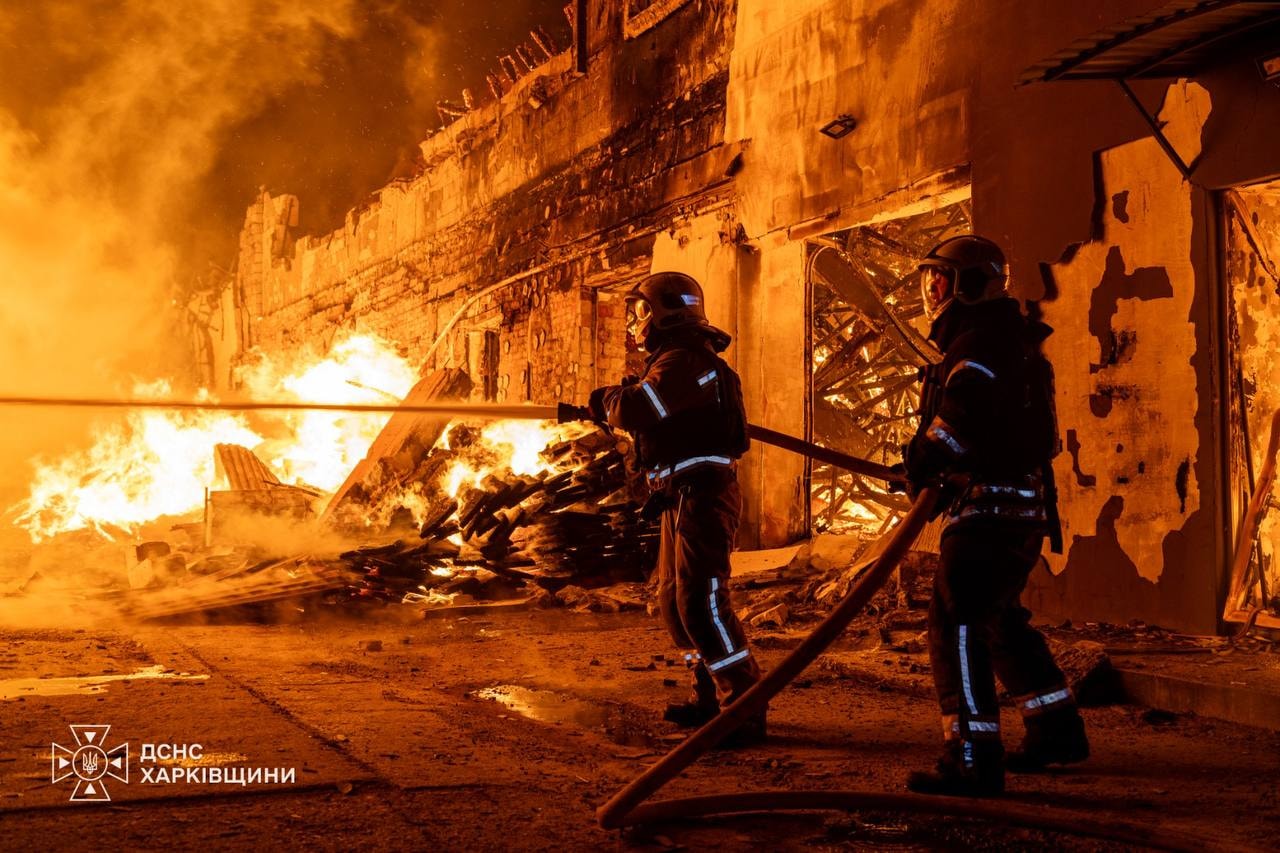
Ukraine faces growing uncertainty heading into winter as Russian attacks over the past several years have severely damaged its energy infrastructure, placing the power system under significant strain.
Even before central heating is switched on in most regions, scheduled and emergency power outages and water supply disruptions are affecting communities across Ukraine, including Kyiv.