Exclusive: Russia significantly expands glide-bomb production, research shows
 on Google

Russia is significantly expanding its glide-bomb production, indicating that Moscow has no plans to scale back its war against Ukraine, a new report by Kyiv-based think tank Center for Defense Reforms exclusively shared with the Kyiv Independent reveals.
"Given the role of guided aerial bombs in destroying defensive positions, isolating battlefields and facilitating ground advances, this provides a basis for sustaining high-intensity offensive operations over an extended period," the report concludes.
The report reveals that in 2025, the centralized procurement entity TRV-Engineering JSC obtained nearly 278,000 servo drives, used to control the flight surfaces of glide bombs — enough to manufacture 139,000 of the deadly munitions. The report identifies the key Russian supplier of servo drives, CED Sail LLC, which is currently not subject to any Western sanctions, and suggests this entity should be a "priority target" for sanctions designation.
"Russia is building the military-industrial capacity to continue waging wars even after the war in Ukraine ends. These are not the actions of a country preparing for lasting peace," Oleksandr Danylyuk, chairman of the Center for Defense Reforms and former chief adviser to Ukraine’s defense minister, told the Kyiv Independent.
The report also identifies a network of interconnected Russian companies which are responsible for importing key components and raw materials essential for the production of UMPK and UMPB glide bomb kits.
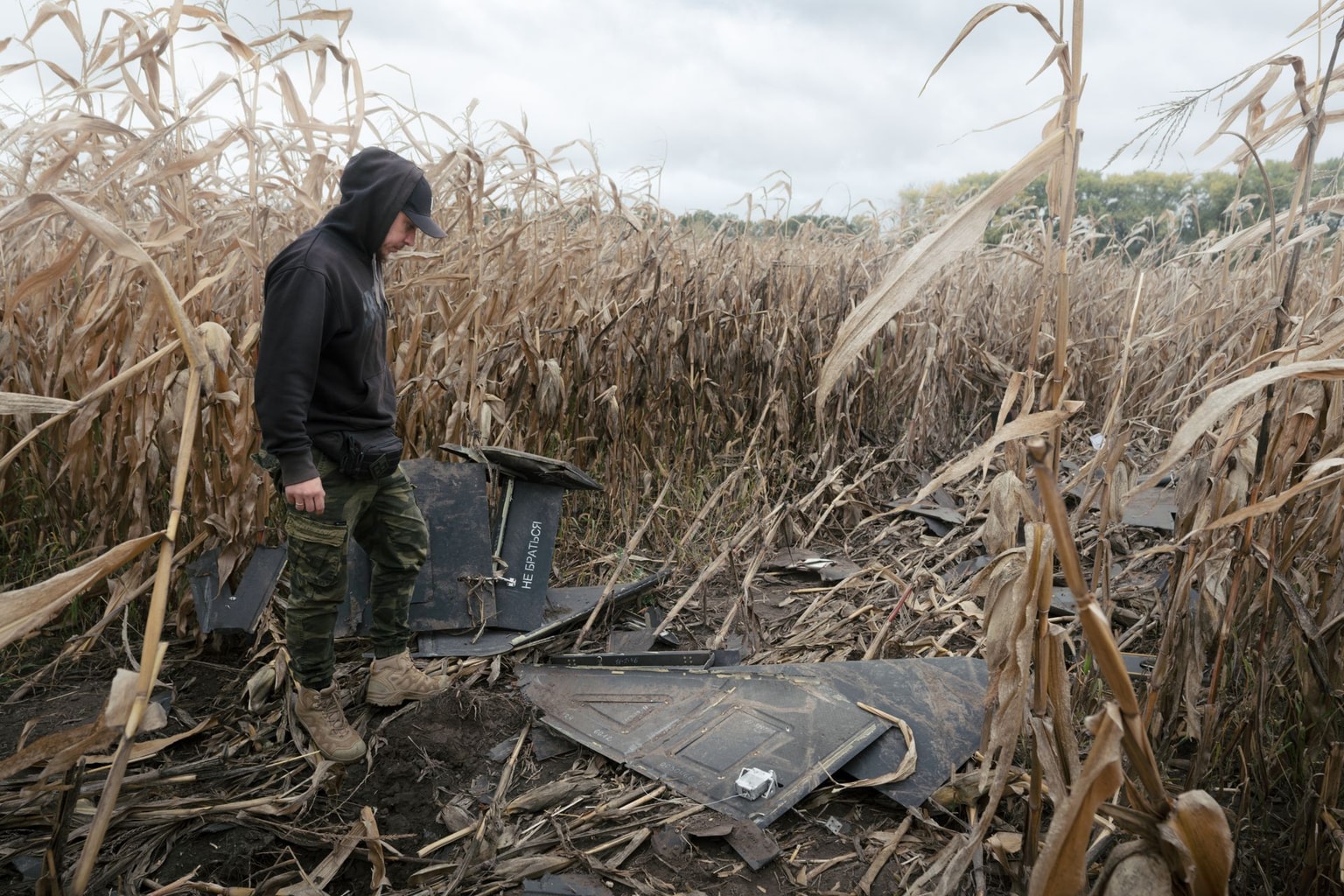
Russia converts older, unguided bombs into precision-guided weapons with these guidance kits, significantly increasing their range and accuracy. The increase in range allows Russian fighter-bomber aircraft to remain within Russian territory, out of range of Ukrainian air defenses, as they deploy their deadly payloads.
As with many other Russian munitions, both UMPK and UMPB glide bomb kits are heavily reliant on foreign components for their manufacture.
Ukrainian military intelligence has repeatedly identified a range of foreign components in Russian glide bombs, including parts from the U.S., Japan, China, Switzerland, and Taiwan, among others.
The report also reveals the majority of entities and individuals involved in the production of Russia's glide bombs are currently unsanctioned, despite the munitions being a key part of the Kremlin's offensive airborne arsenal.
Out of 20 corporate entities involved in the manufacture of Russian glide bombs, only eight are subject to some level of Western sanctions or export restrictions. The "uneven sanctions coverage," the report assesses, allows Russia to continue to "procure necessary components without significant restrictions."
Four Chinese companies are identified as being critical to the supply chain, with some, such as Shenzhen Fire Power Control Technology Limited, not hiding the explicitly military application of their products. Only one of the four Chinese companies is subject to U.S. export restrictions, and none are sanctioned by the U.K. or the EU.
"Despite its repeated declarations of readiness for peace, Russia continues to dramatically expand the production of offensive weapons, particularly guided aerial bombs," Danylyuk said.
Russia has heavily relied on glide bombs to support its slow advance in the east of Ukraine, targeting Ukrainian fighting positions, fortifications, and buildings. Russian forces have also increasingly used the munitions to target Ukrainian cities that have come within range of the bombs.
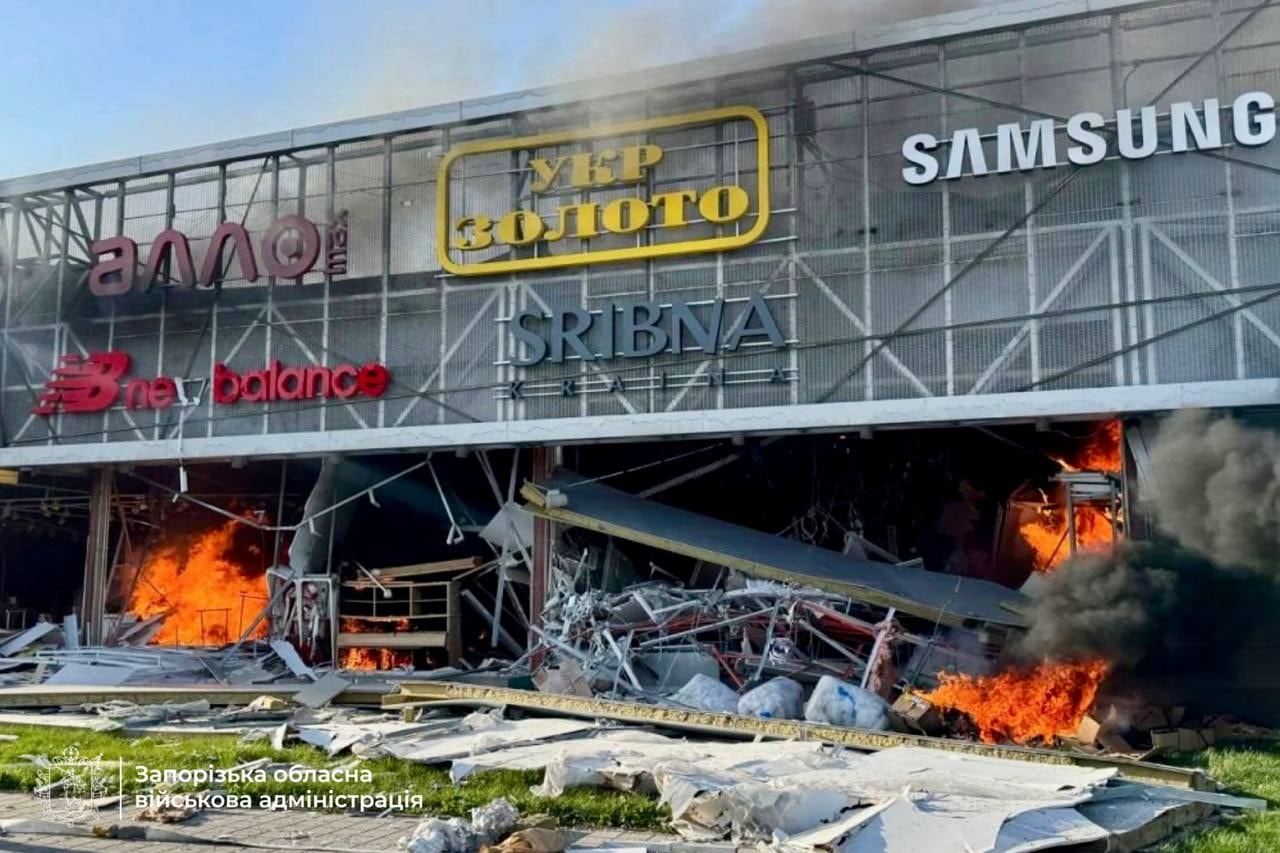
Earlier this month, five Russian glide bombs struck the city of Zaporizhzhia, killing 20 people, including three children, and injuring 32 others.
Ukraine has attempted to counter Russia's glide bombs using electronic warfare to disrupt their guidance systems, as well as targeting the Su-34 fighter-bomber aircraft used to deploy them. Earlier in October, Ukraine struck six Russian Sukhoi Su-34M fighter-bombers in a "Neptune" cruise missile strike on a Russian airfield in Borisoglebsk, Voronezh Oblast, destroying at least four and likely heavily damaging two more.