EU to enforce new dynamic price cap on Russian oil on Sept. 3
 on Google
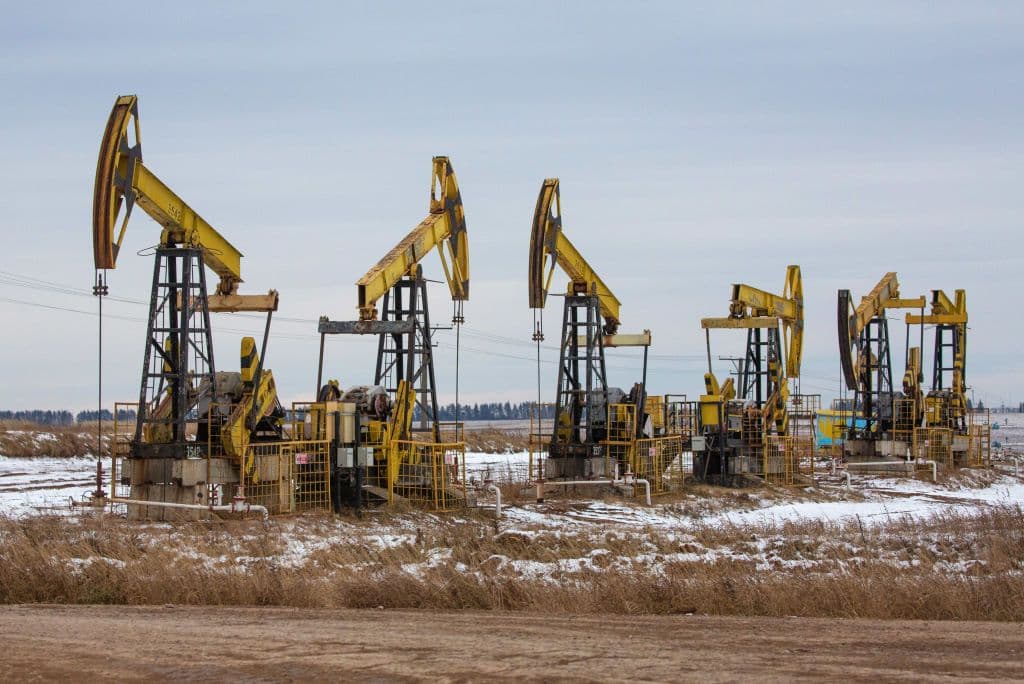
The European Union will implement a new dynamic ceiling on Russian oil prices beginning Sept. 3, as part of its 18th sanctions package against Moscow, European Commission spokesperson Arianna Podesta said on Aug. 6, according to European Pravda.
The revised cap replaces the static $60-per-barrel limit introduced by the G7 in December 2022. Under the new formula, the EU will recalculate the maximum allowable price for Russian seaborne oil exports as 15% below the average global market price over the prior three months.
As of now, that figure stands at $47.60 per barrel.
The price ceiling is designed to slash Russia's energy revenue without triggering a supply shock. It applies to EU and G7 companies providing services such as insurance and shipping for Russian oil shipments, which are permitted only if the crude is sold at or below the cap.
The U.K. has joined the EU in backing the revised cap, aligning with Brussels' move to deepen pressure on the Kremlin. Oil and gas revenues are critical to the Kremlin's war budget, accounting for nearly one-third of federal income.
As sanctions tighten, Russia's fiscal outlook continues to deteriorate. Russia's Finance Ministry reported a 30% year-on-year drop in oil and gas revenue in July, marking the third consecutive monthly decline.
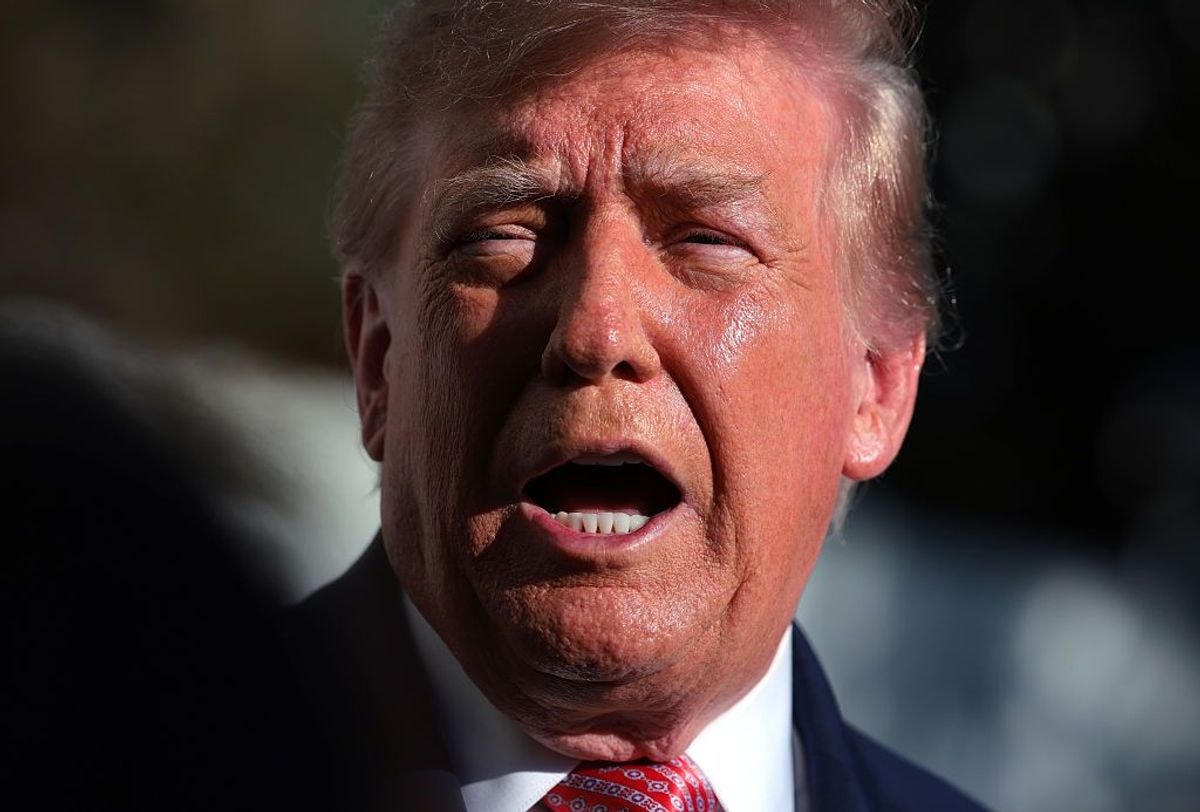
U.S. President Donald Trump has tied economic pressure to his push for a negotiated end to the war. On Aug. 5, he suggested falling oil prices could force Russian President Vladimir Putin to consider peace.
Trump warned that additional secondary sanctions, including 100% tariffs on exports from countries that continue buying Russian oil, would take effect within days unless the Kremlin halts its invasion.
The revised price cap represents a critical component of the West's strategy to squeeze Russia's war economy while avoiding major disruptions in global energy markets.