European Council explores opening communication channels with Kremlin
 on Google
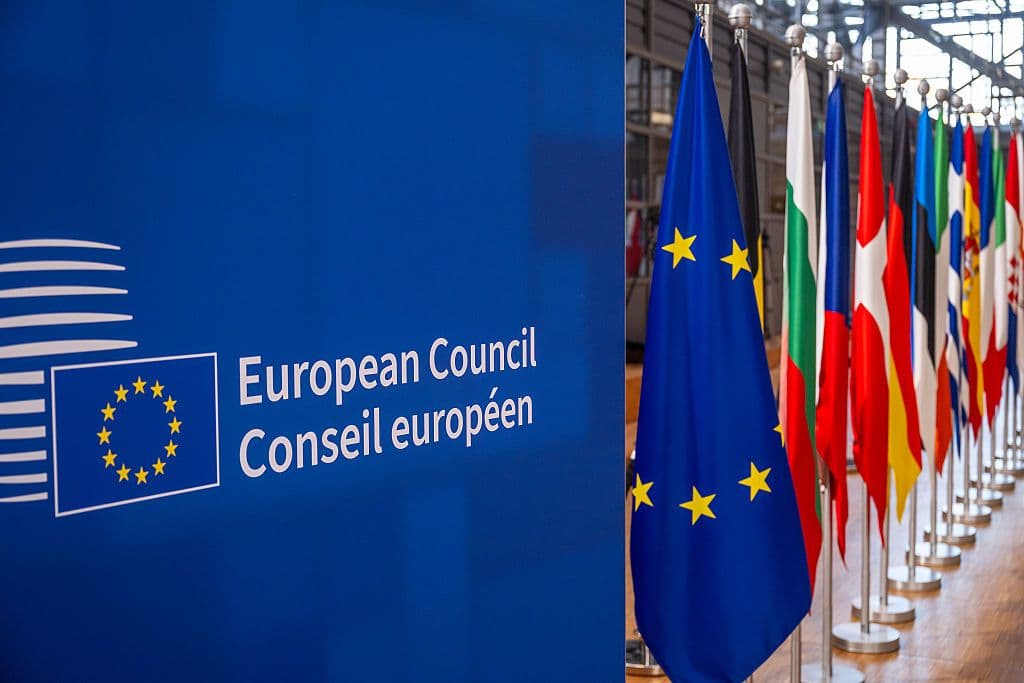
The office of European Council President Antonio Costa has established limited diplomatic contacts with the Kremlin in recent weeks as the bloc explores reopening communication channels with Moscow, the Financial Times reported on June 17.
The contacts come as European leaders increasingly discuss how and when to re-engage directly with Russia over its war against Ukraine after years of diplomatic isolation. EU officials are also keen to ensure the bloc has a seat at the table in any future negotiations over ending the war and shaping the future of European security.
According to the Financial Times, Pedro Lourtie, Costa's chief of staff, held telephone conversations with a senior Russian official close to President Vladimir Putin. The discussions were aimed at establishing lines of communication rather than negotiating substantive issues, according to people briefed on the contacts.
"In the past few weeks, brief contacts were made to open communication channels, but nothing was discussed on substance," one person familiar with the discussions said.
"In any future scenario, the EU has specific interests that will need to be defended, therefore it is important to have established diplomatic channels with Russia."
The contacts do not signal a shift in the European Union's position on the war, officials said.
"The EU is not a mediator. It supports Ukraine in its efforts to achieve a just and lasting peace," one person briefed on the talks said. The person added that Costa has been coordinating closely with European leaders in recent weeks on possible engagement with Russia and the issues that could be discussed "when the right moment comes."
European governments have stepped up internal discussions about potential direct talks with Moscow as U.S.-led diplomatic efforts to end the war have stalled. However, European Union member states have yet to agree on a common approach, and some countries remain cautious about directly engaging with the Kremlin.
The United States had previously led diplomatic efforts to broker peace, but the talks have shown little movement in recent months. The diplomatic push has increasingly taken a back seat as the Trump administration focused on the war with Iran and efforts to secure a ceasefire in the Middle East.
President Volodymyr Zelensky has also recently called for direct talks between Ukraine and Russia at the leadership level, but the Kremlin rejected the proposal.