Exclusive: European Parliament to scrutinize its most pro-Russian member
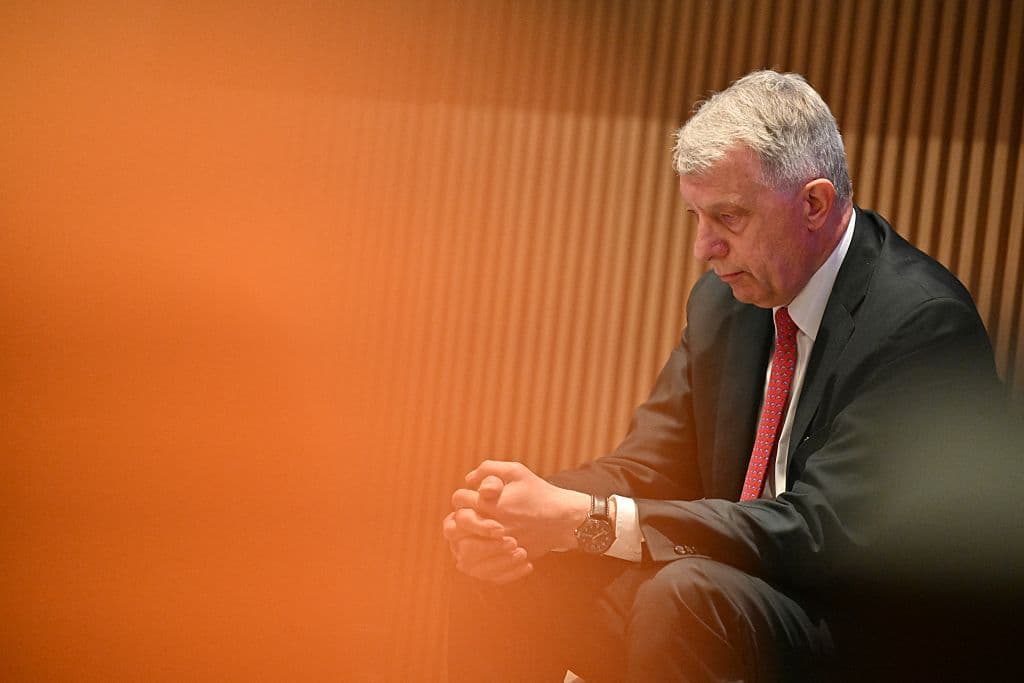
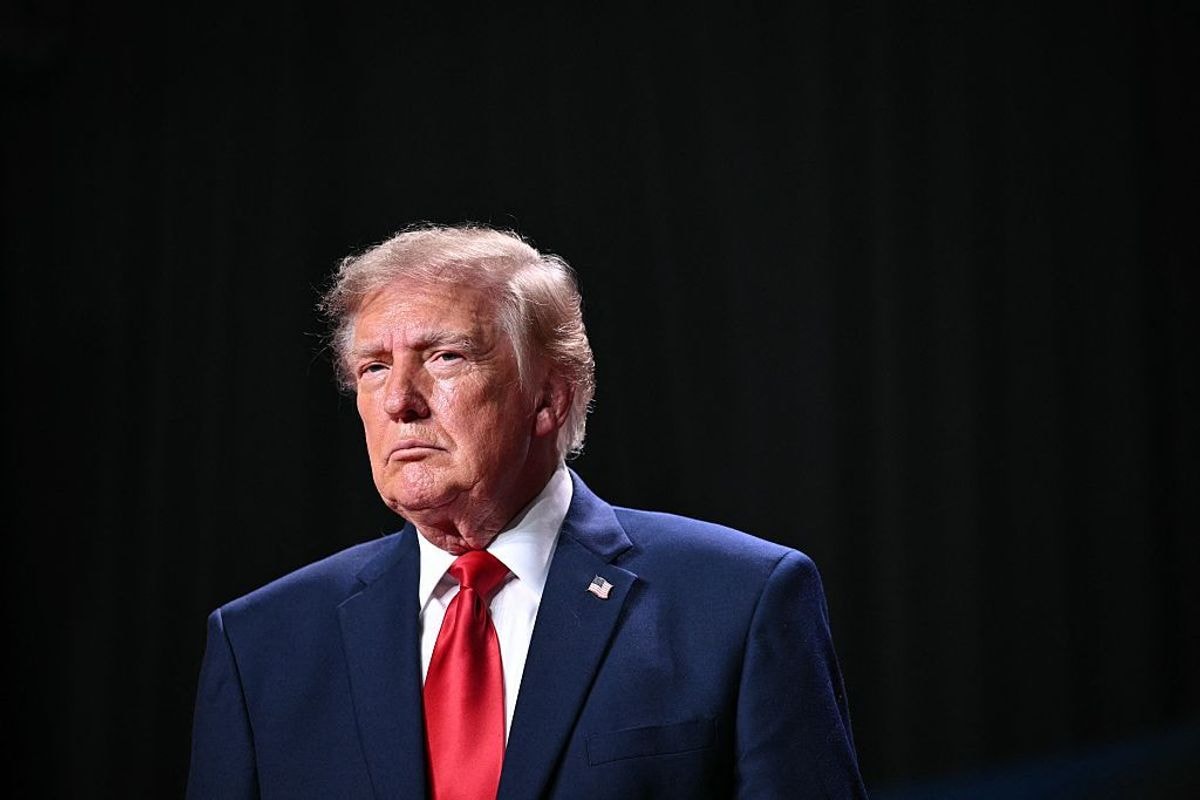
Fernand Kartheiser, member of the European Parliament for Luxembourg, attends the first far-right Patriots Network conference in Paris on May 2, 2026. (Julie Sebadelha / AFP via Getty Images)
 on Google
A special committee of the European Parliament is set to investigate its pro-Russian Luxemburger, Fernand Kartheiser, for potential breaches of parliamentary rules linked to his ties to Russia, according to a letter first seen by the Kyiv Independent on June 15.
The news comes shortly after Kartheiser visited the economic forum in St. Petersburg and subsequently sent to fellow members of the European Parliament (MEPs) and their staff a so-called St. Petersburg declaration, the backers of which declare themselves ready to "support all concrete initiatives seeking … the improvement and the normalization of relations" between Russia and the EU.
Kartheiser's visit is set against a wider backdrop of Russian figures and voices reappearing across Europe, whether through participation in sporting contests, art exhibitions, or singing opera while Ukraine celebrates a key EU accession milestone meters away.
Statements within Kartheiser's document "give rise to serious concern, first and foremost because it may create the impression that there exists an informal channel of communication between the European Parliament and the (Russian) State Duma," reads a letter sent by European Parliament President Roberta Metsola to the chair of its Advisory Committee.
The letter goes on to mention that Kartheiser has held four videoconferences and four in-person meetings with Russian politicians, of which two were held in Russia itself, and notes that the so-called declaration purports to speak on behalf of other MEPs, but without naming any of them.
Metsola is calling on the Parliament's Advisory Committee to "examine the situation and assess whether Mr. Kartheiser or any other members concerned may have breached the Code of Conduct."

The rules Kartheiser is suspected of breaching include a failure to disclose on the parliament's publicly accessible platform all meetings "with representatives of public authorities of third countries" and potentially having taken money or some other form of compensation in relation to those meetings.
If the Advisory Committee finds Kartheiser to be in breach of parliamentary rules, the penalties can be wide-ranging, from a mere reprimand to a ban on representing the parliament externally, being stripped of roles within the parliament, and losing the right to access confidential documents, the latter of which a group of MEPs has previously campaigned for.
When approached for comment, the European Parliament's Press Service did not comment on the specifics of Kartheiser's case.
Instead, they recalled that "since 2014, the European Parliament has had no cooperation with the Duma. Members who engage with Russian diplomatic or governmental entities are acting in their sole personal capacity."