Energoatom: Zaporizhzhia nuclear plant 'on verge of blackout' after recent Russian attack
 on Google
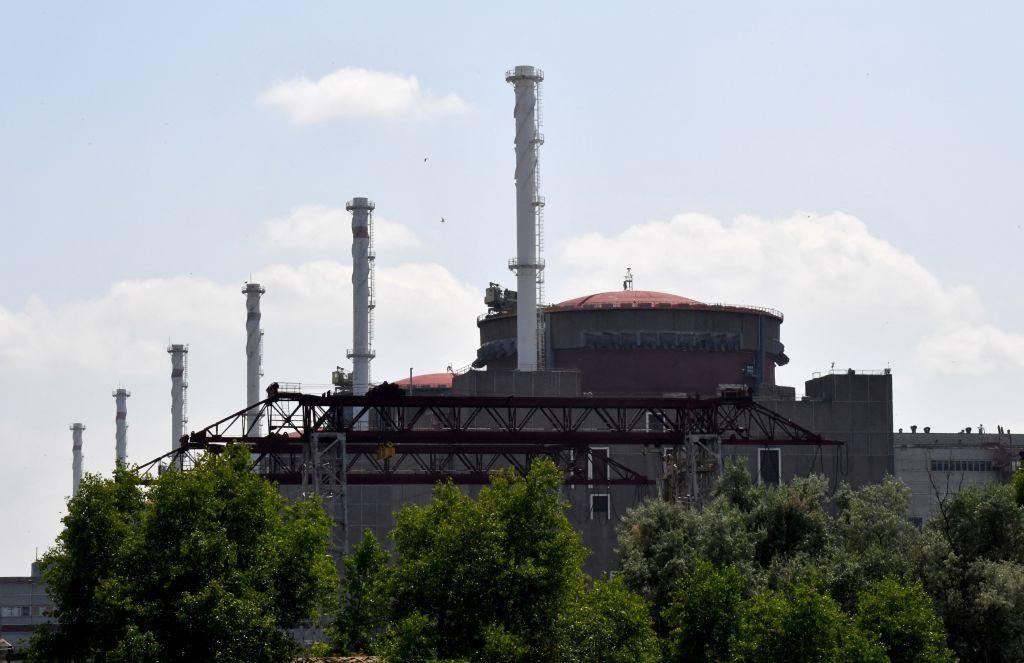
An external overhead line that supplies power from Ukraine's energy grid to the Russian-occupied Zaporizhzhia Nuclear Power Plant in the city of Enerhodar was disconnected on April 4 after Russian attacks, the state nuclear energy agency Energoatom said.
The Zaporizhzhia Nuclear Power Plant, the largest nuclear plant in Europe, has been under Russian occupation since March 2022. Throughout its occupation, the plant has been repeatedly disconnected from the Ukrainian power grid due to Russian attacks on the country's energy infrastructure.
As of April 4, the plant is connected to Ukraine's energy system only by one power line, which was recently restored. This situation "threatens to cause an emergency," Energoatom said.
"If this last line of communication with the national power grid is disconnected, the plant will be on the verge of another blackout, which is a serious violation of the conditions for its safe operation," the statement read.
Before Russia's full-scale war, the Zaporizhzhia Nuclear Power Plant had six backup lines and four main lines of 750 kV.
The six reactors at the Russian-occupied plant are currently shut down, but the facility's front-line position puts it at risk. International Atomic Energy Agency (IAEA) Director General Rafael Grossi has warned that heavy fighting near the plant poses serious threats to nuclear safety.