Russia suffering 'one crisis after another' as Ukraine's drones hammer Crimea, Fedorov says
 on Google
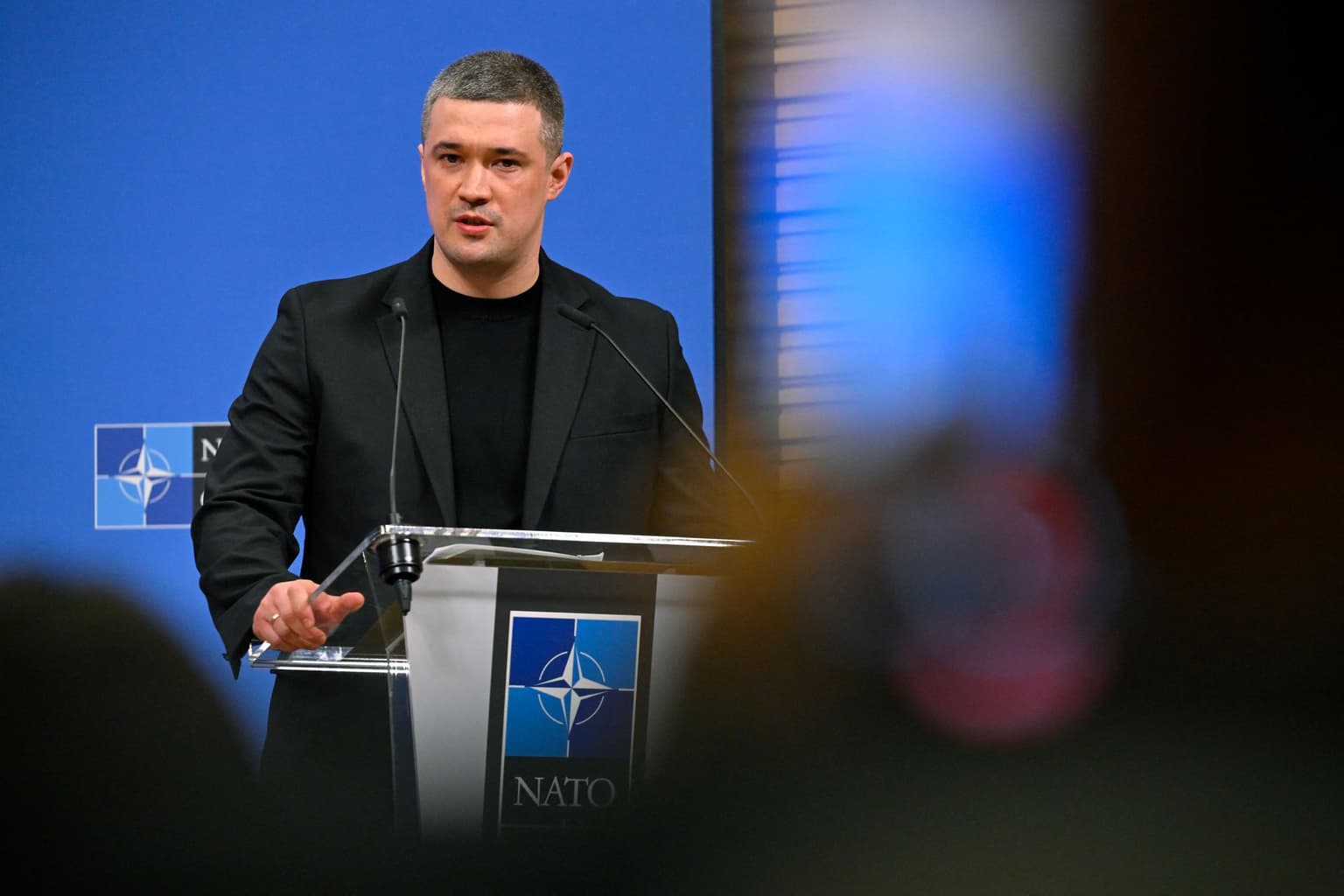
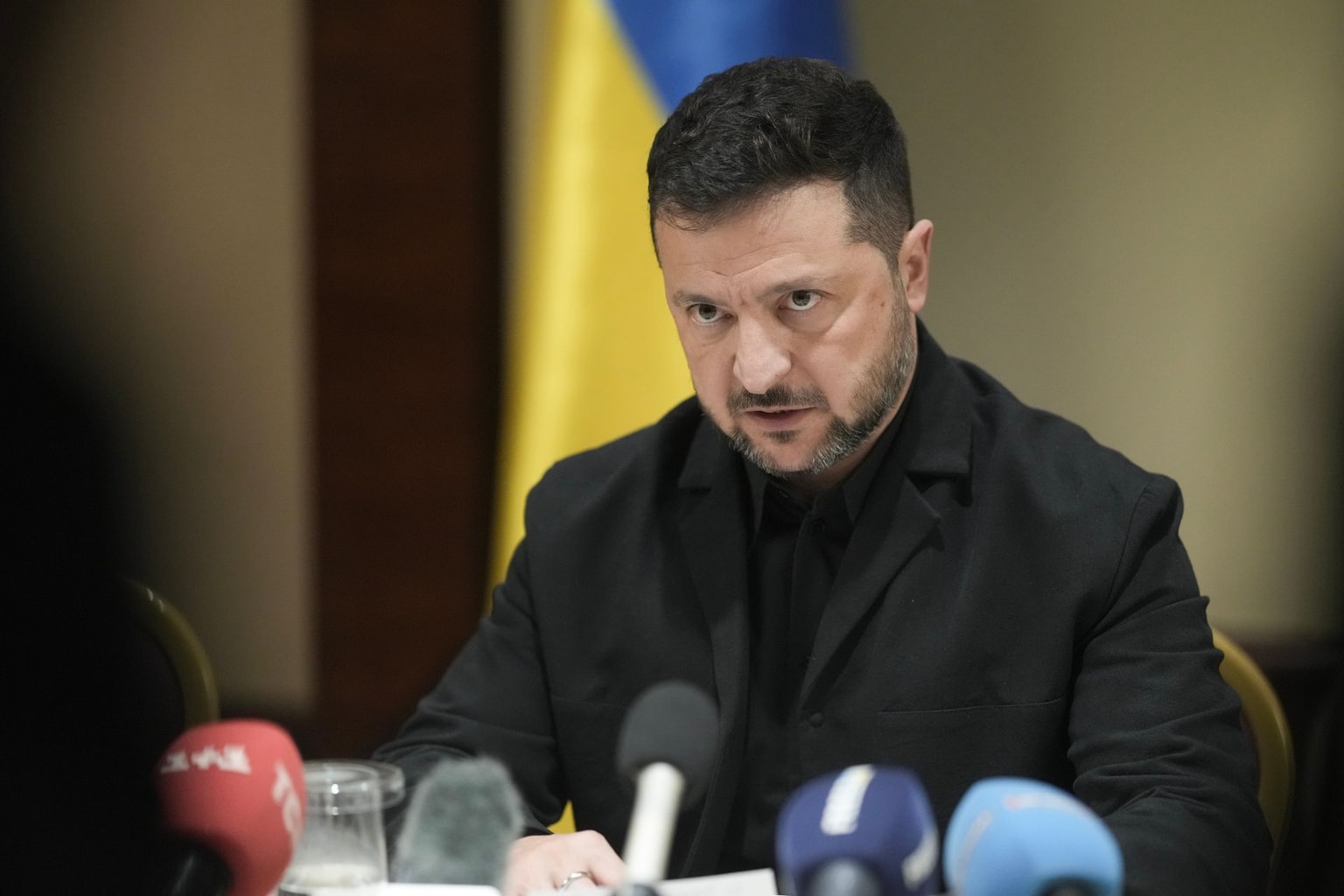
Ukraine's increasingly frequent drone strikes on occupied Crimea have been made possible by a "new technological stage of the war," Defense Minister Mykhailo Fedorov said on July 1, adding Moscow was finding it increasingly difficult to "resolve one crisis after another."
Ukraine has intensified its long-range drone campaign against occupied Crimea in recent weeks, conducting a coordinated series of strikes aimed at isolating the peninsula from Russian military logistics while systematically degrading its military infrastructure.
"I think this is connected with a new technological stage of the war and with the ability of Ukrainian drones to use technologies that allow us to carry out these kinds of operations," Fedorov said during a press briefing with Swedish Defense Minister Pal Jonson in Kyiv on July 1.
"Crimea has essentially turned into a military base for the Russians, allowing them to continue occupying the south of our country and transfer forces to the east. Therefore, from both a military and logistical perspective, it is an important target for us."
Fedorov said Ukraine would continue expanding its strike capabilities.
"We are working every day to strengthen these technological capabilities so that we can carry out new operations with even greater force — and not only in Crimea," he said.
Fedorov said the campaign was already creating mounting logistical problems for Russian forces. He pointed to shortages of fuel in occupied Crimea, and what he described as a growing accumulation of logistical and infrastructure problems.
"A large number of crises are beginning to accumulate, and it is becoming increasingly difficult for the Russians to resolve one crisis after another," Fedorov said. He added that Ukraine's ongoing 40-day strike campaign announced by President Volodymyr Zelensky was "going according to plan."
Fedorov said the disruption was already affecting Russian troop movements in southern Ukraine.
"But we already see, for example, in some sectors of the southern front, that Russian infantry is having to walk 30 kilometers (19 miles) to reach its positions because logistics have been destroyed," he said.
According to Fedorov, Russian forces are also struggling to transport infantry to the front line, supply troops, and provide fuel for generators used by drone operators. He said Ukraine was observing "a large number of problems that, at first glance, are not obvious," but which nevertheless reduce the intensity of Russian attacks on Ukrainian territory.
The minister added that Ukraine continued to observe a worsening fuel and critical infrastructure crisis in occupied Crimea. He pointed to reports that occupation authorities had announced plans to sell fuel using QR codes before abandoning the measure, while shortages continued. "Right now it's impossible to buy anything at all," he said.
His remarks came hours after the Security Service of Ukraine (SBU) announced it had struck the Russian military airfield at Saky in occupied Crimea as part of the 40-day campaign ordered by Zelensky to increase pressure on Russia.
According to the SBU, five drones struck aircraft hangars at the airbase. Preliminary information indicates Su-30 and Su-30SM fighter jets were inside two of the hangars at the time of the attack.
The SBU said a fire broke out in the hangar housing the Su-30SM after the strike, indicating the aircraft had likely been hit.
The agency said the operation targeted the airfield's infrastructure, including hangars used to shelter Russian fighter aircraft. It estimated the value of each Su-30 or Su-30SM fighter jet at between $30 million and $50 million.
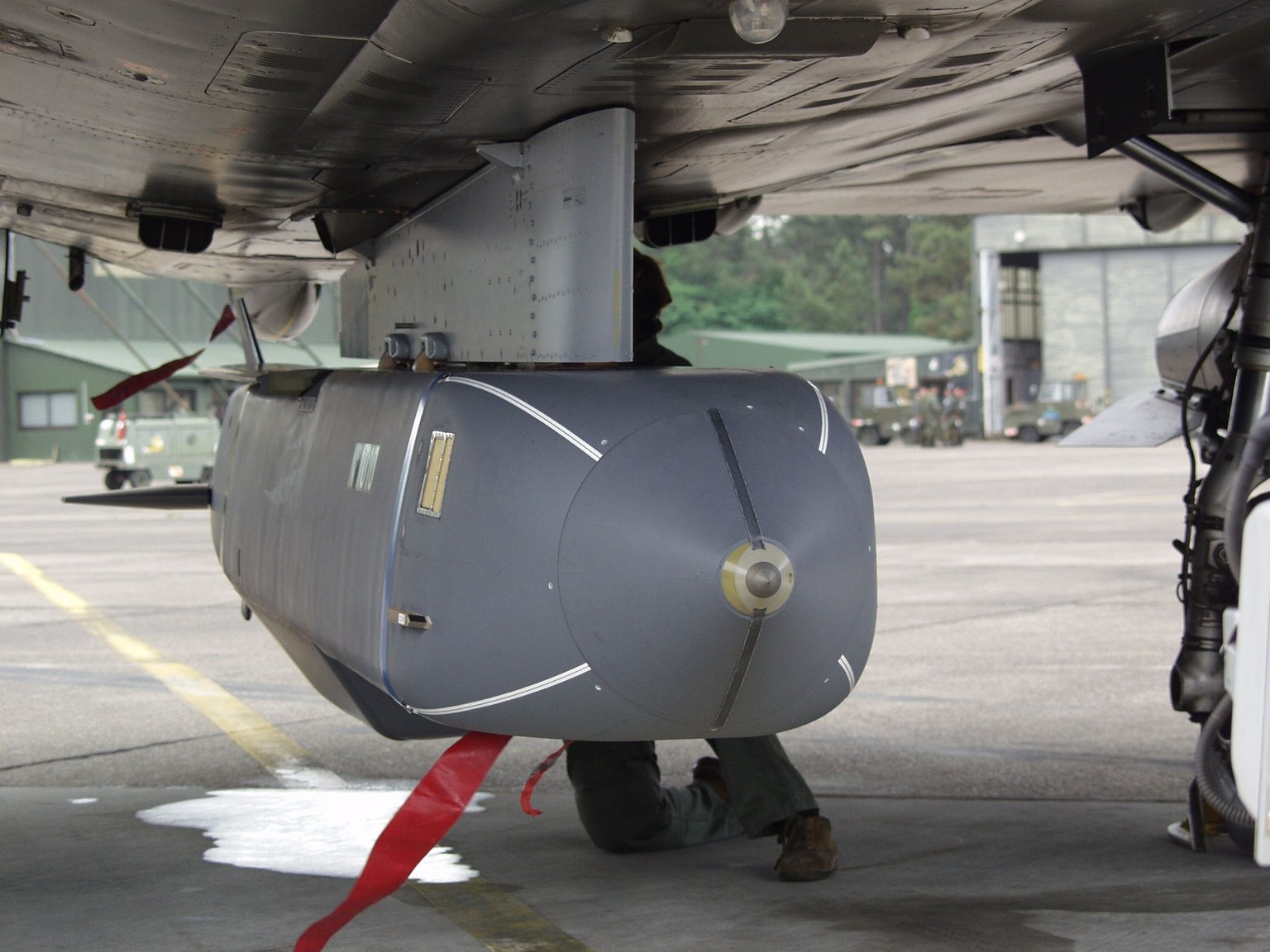
Fedorov also elaborated on the Gripen agreement announced by Zelensky on June 30, saying the package includes 16 newly built Gripen E fighter jets financed through European Union loans, while Sweden is expected to begin transferring 16 Gripen C/D aircraft to Ukraine in early 2027.
The minister said the Gripens, equipped with long-range Meteor air-to-air missiles, would help Ukraine counter Russian aircraft launching guided aerial bombs from beyond the range of Ukraine's current air defenses.
Fedorov also said Ukraine continues to work with partners to secure additional Patriot PAC-2 and PAC-3 interceptor missiles while simultaneously advancing the development of domestic anti-ballistic missile capabilities.
"Our goal is not just to purchase anti-ballistic missiles from our partners, but also to develop our own capabilities," he added.
.