After wave of strikes on Kyiv, Russia aims ballistic missiles at Odesa, killing 4
 on Google
Editor's note: This is a developing story.
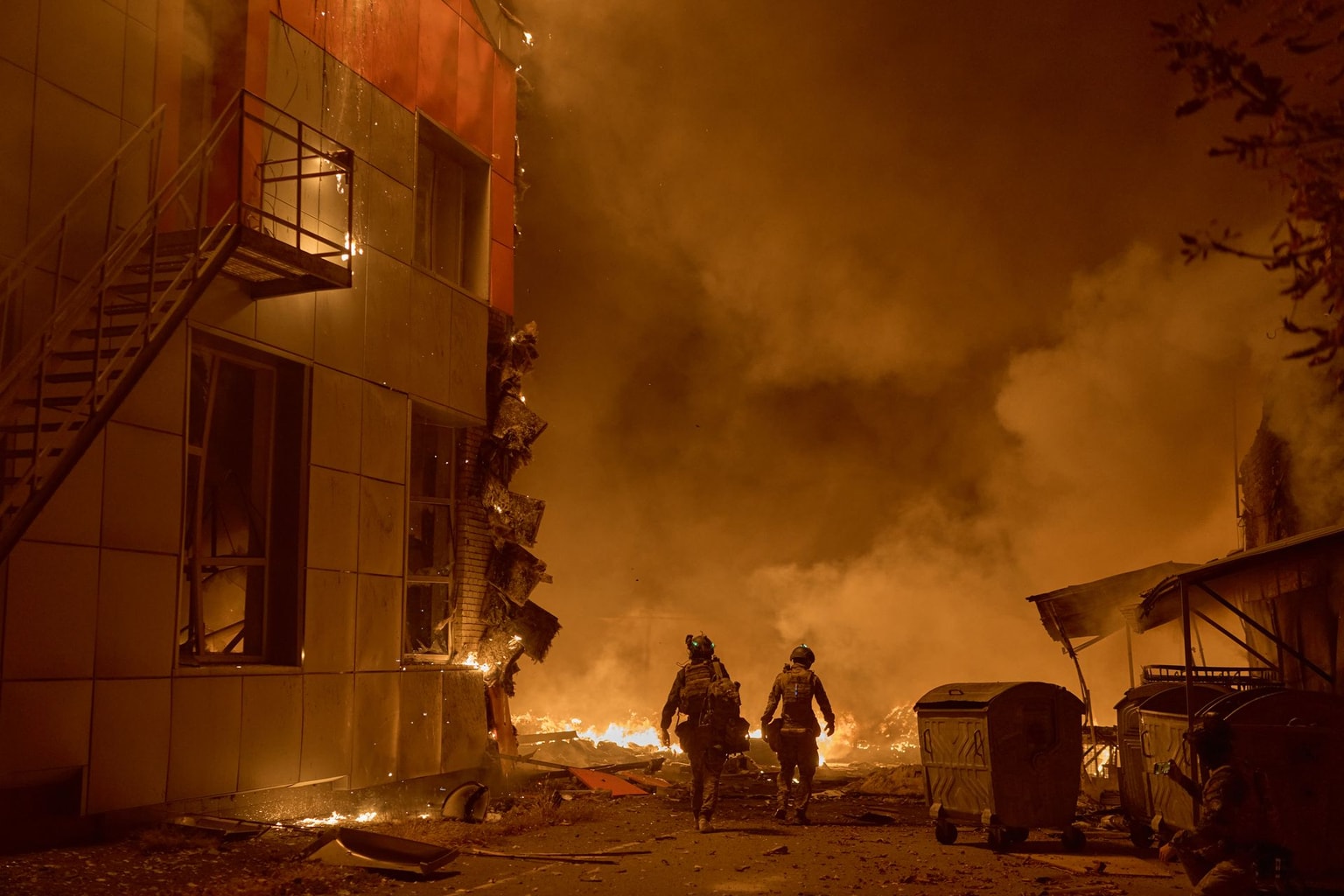
Russia attacked the city of Odesa with ballistic missiles the evening of July 8, killing at least four people and injuring seven others, regional Governor Oleh Kiper reported.
The attack follows a wave of ballistic missile strikes on Kyiv, with Russia targeting Ukraine's capital three times over the past six days.
The missile strike on Odesa targeted civilian infrastructure, Kiper said. Four people have died, while seven more have been injured. Among the injured victims, six have been hospitalized, with two reported to be in critical condition.
"Doctors are doing everything possible to save their lives," Kiper said.
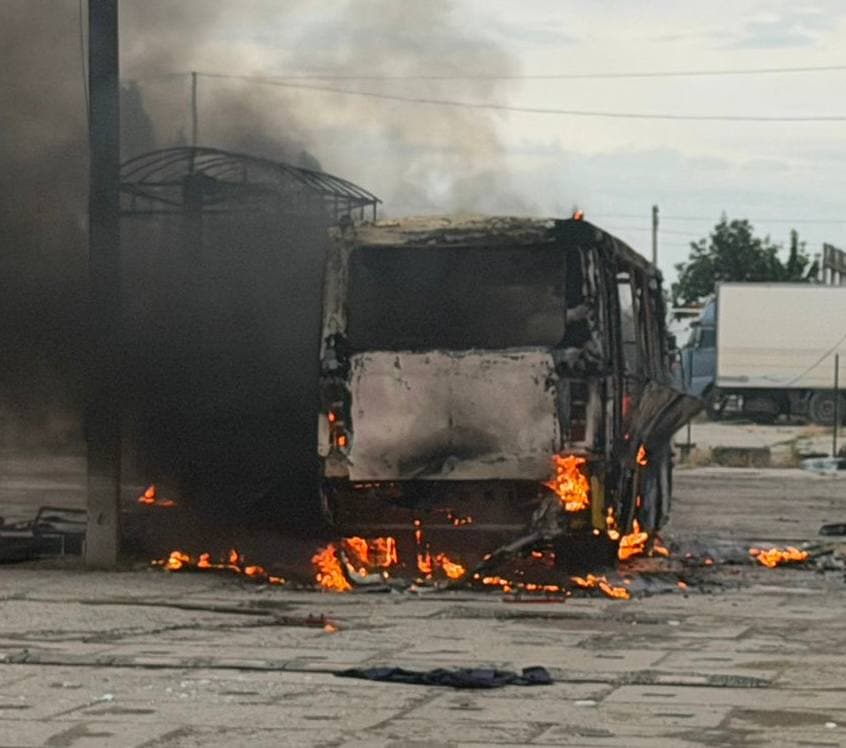
The attack damaged an unspecified infrastructure facility and a local gas station, the governor reported. A minibus and fuel pump also caught fire due to the strike. Emergency responders have extinguished the fires and are still at work at the attack sites.
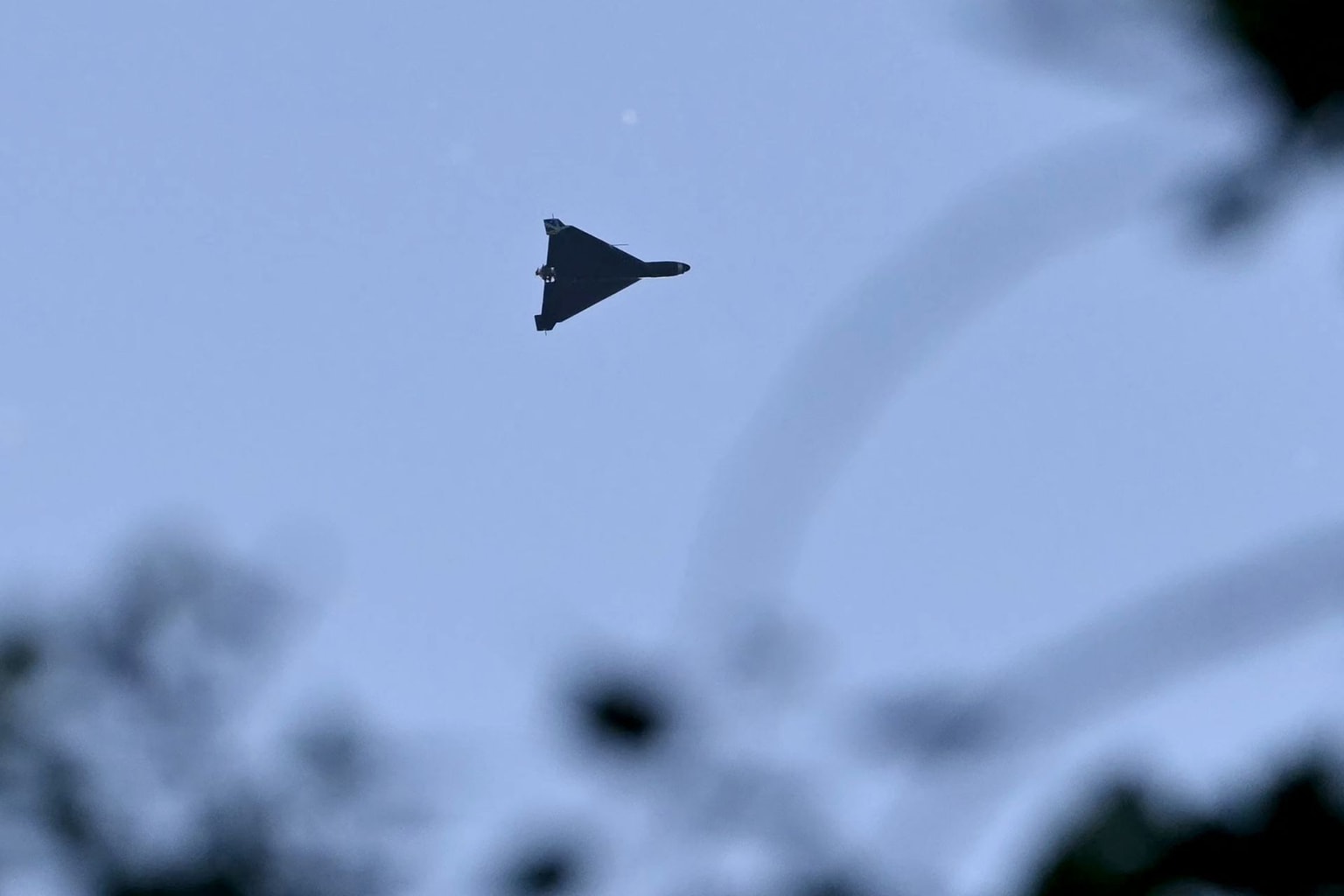
Odesa, a southern port city on Ukraine's Black Sea coast, is a regular target of Russian drone and missile attacks. But in recent months, Russia has been changing the way it launches strikes against Ukraine.
With Ukraine facing an urgent shortage of air defense systems, Russia increasingly relies on concentrated salvos of ballistic and hypersonic missiles to inflict maximum damage on cities and critical infrastructure.
Due to their sheer speed, ballistic missiles remain incredibly difficult to intercept. Only U.S.-made Patriot interceptors have proven successful against Russia's ballistic missile barrages. Ukraine's stockpiles of Patriot missiles, however, have run dry.
Shortly before Russia launched its latest deadly strike on Odesa on July 8, U.S. President Donald Trump said he would give Ukraine a license to manufacture its own Patriot interceptors.
"We are gonna give a license to you to make Patriots... This way you can't complain that we are not giving you enough," Trump said during a press conference at the NATO Summit in Ankara, Turkey.
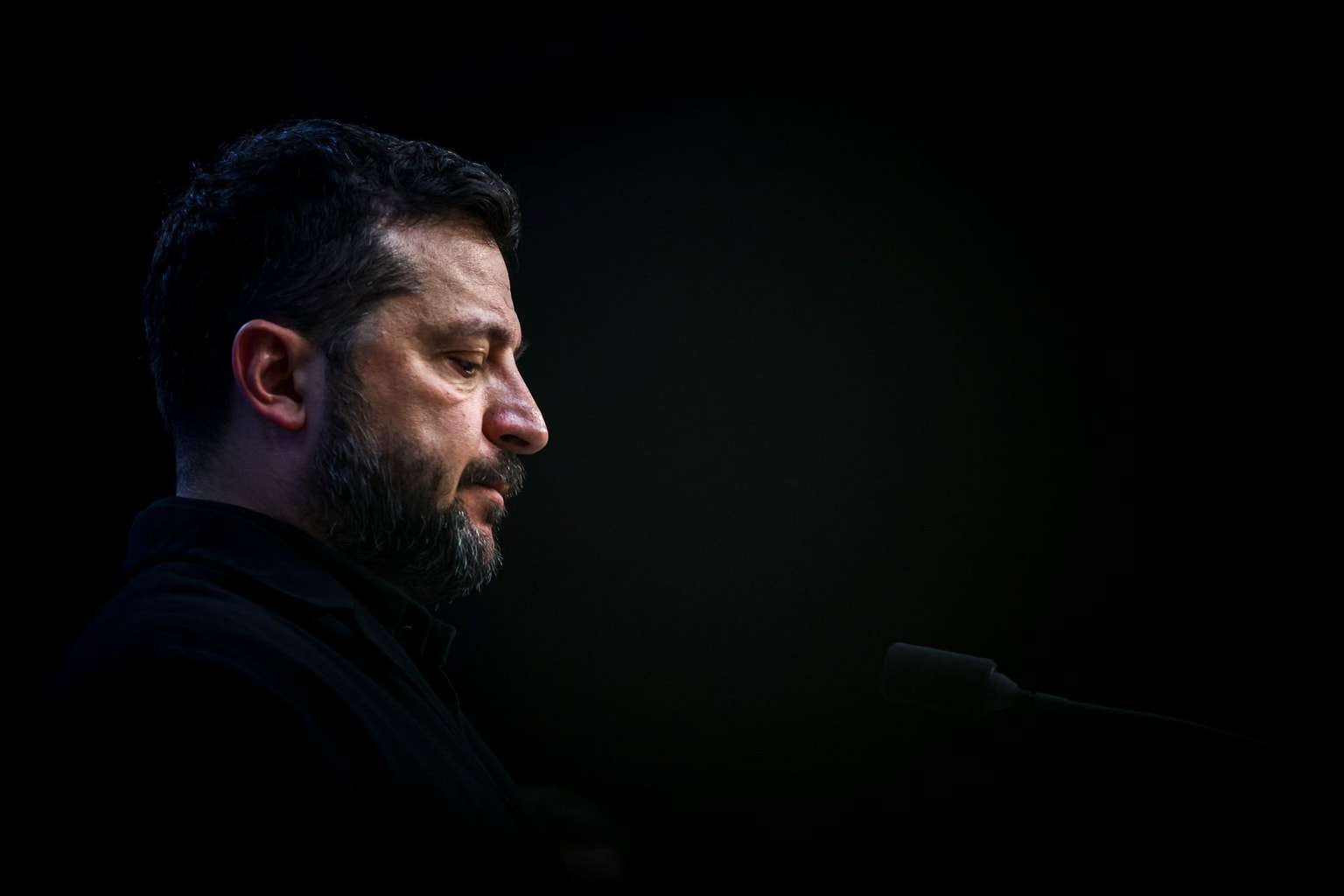
President Volodymyr Zelensky has long lobbied for such a license, though it is unclear when Ukraine would actually be able to begin producing its own interceptors.