70% of Americans say Ukraine is not to blame for war with Russia, poll shows
 on Google
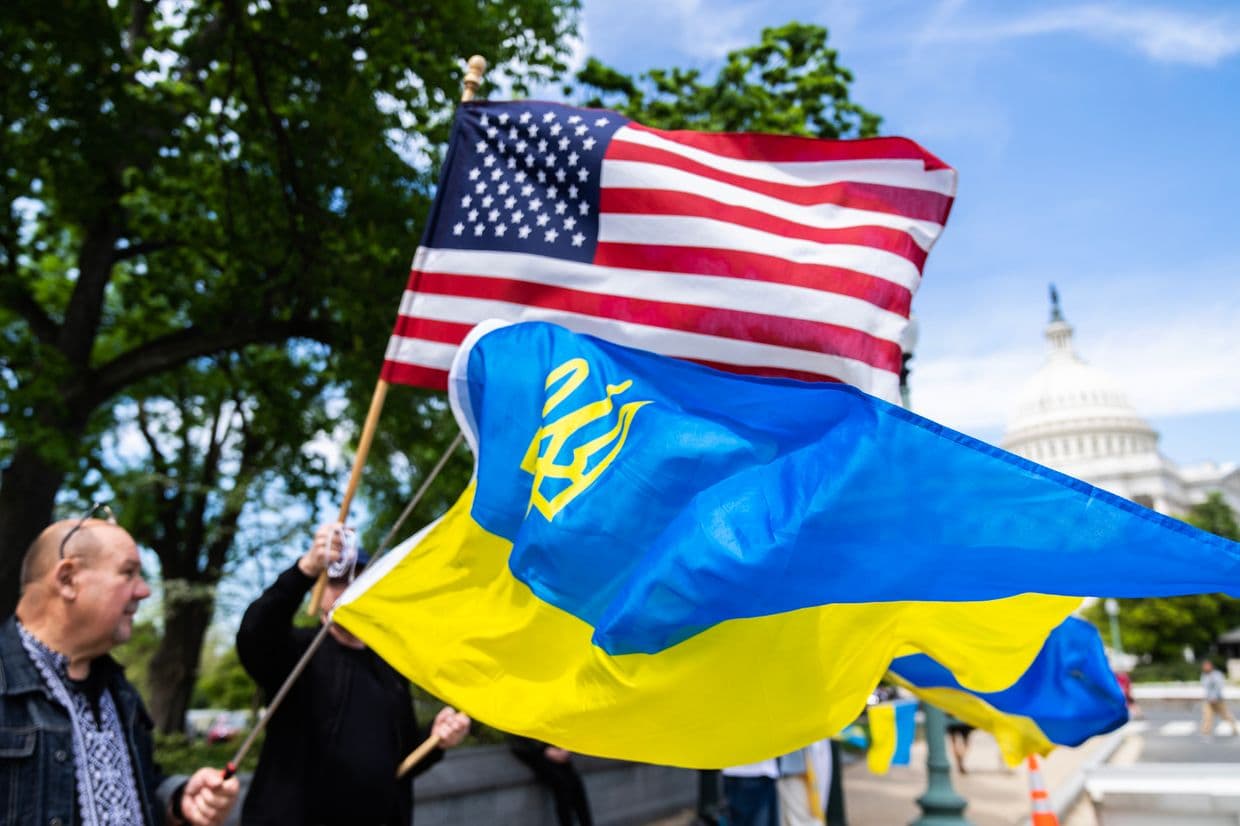
An overwhelming majority of Americans do not believe Ukraine is more to blame for the war waged against it by Russia, according to an Ipsos poll published by Reuters on March 5.
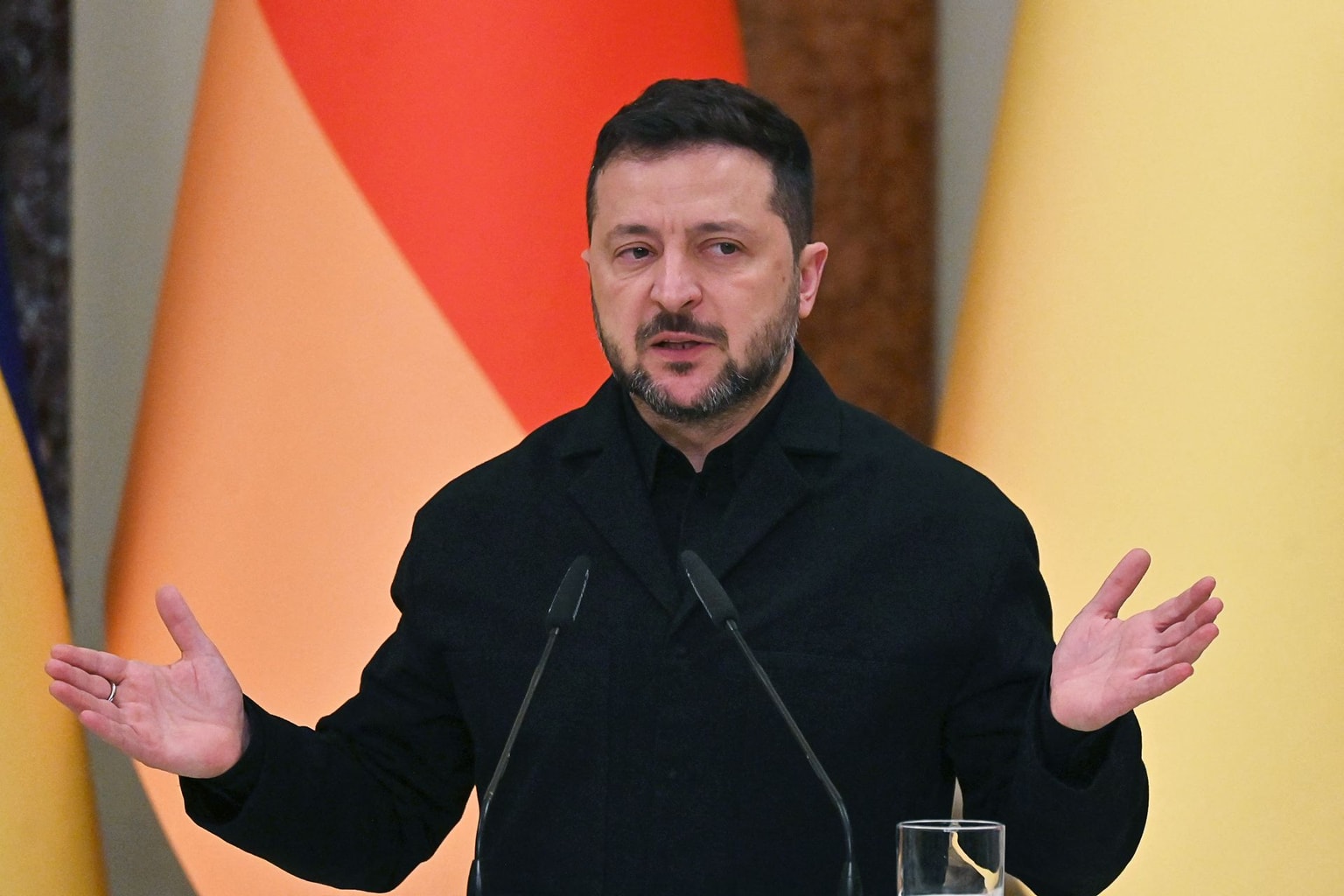
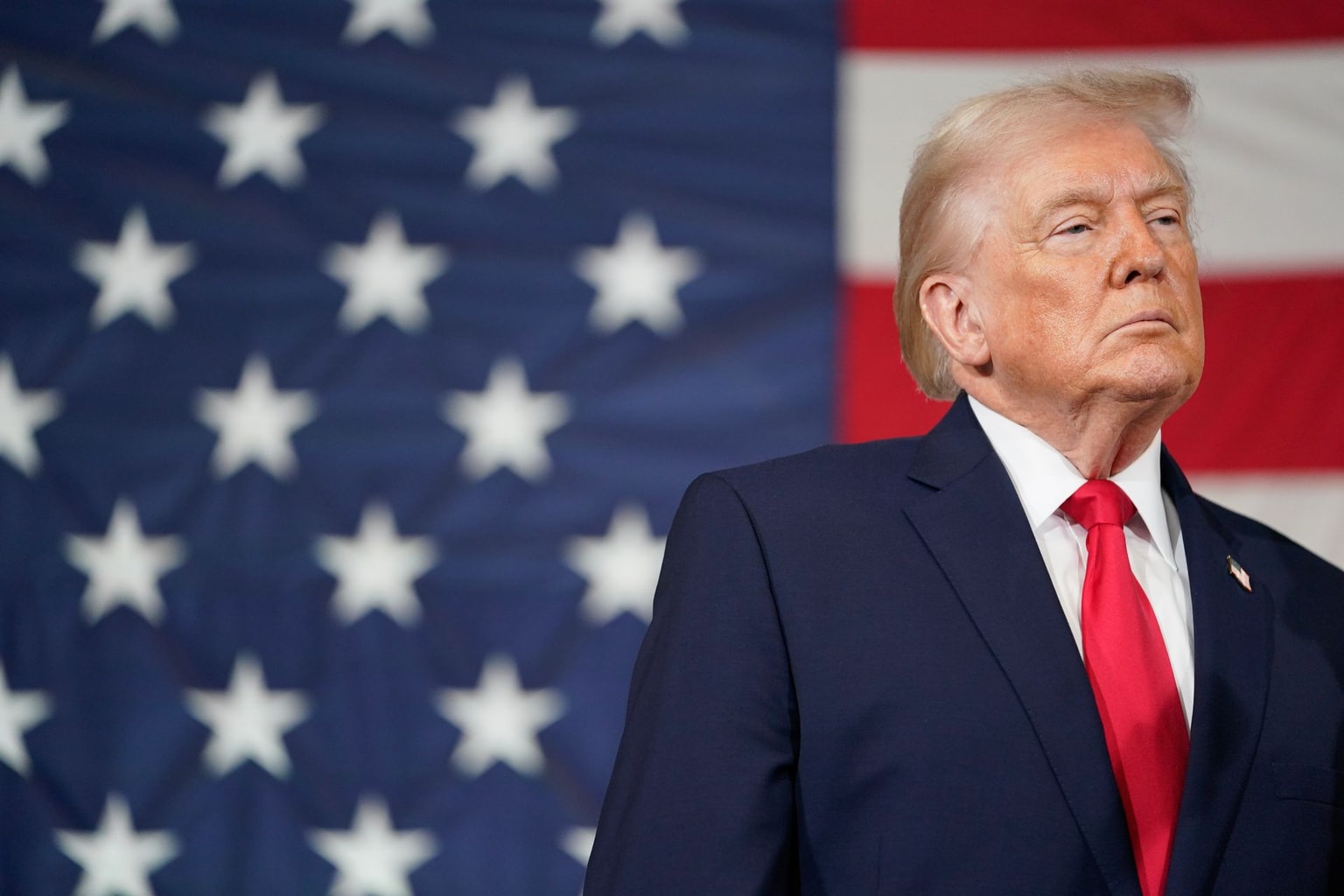
The poll follows a dramatic shift in U.S. foreign policy under President Donald Trump, who has echoed Kremlin narratives, initiated direct talks with Moscow while excluding Kyiv, and accused President Volodymyr Zelensky of prolonging the war.
According to the survey, 70% of adults surveyed disagreed with the statement "Ukraine is more to blame for starting the war." Seven percent agreed.
Among Democratic respondents, 81% rejected the idea that Ukraine was to blame, while 62% of Republicans shared that stance.
The poll was conducted among 1,174 U.S. adults between March 3-4 and comes amid heightened tensions between Washington and Kyiv following the contentious Feb. 28 Oval Office meeting between Trump, Zelensky, and U.S. Vice President JD Vance.
The talks, originally intended to finalize a mineral deal between the two countries, ended in a public dispute, leading to the cancellation of the agreement.
Since the meeting, some U.S. officials and Republican lawmakers have escalated their criticism of Zelensky, with some even suggesting he should resign.
Washington has also frozen all military aid to Ukraine, a move widely seen as an attempt to pressure Kyiv into peace talks with Moscow.
Additionally, the U.S. has halted intelligence sharing with Ukraine, threatening its ability to strike Russian targets, CIA Director John Ratcliffe confirmed to Fox Business on March 5.