Hungary emerges as potential venue for Zelensky-Putin meeting, Reuters reports
 on Google
Editor's note: This item has been updated to include a statement from Swiss Foreign Minister Ignazio Cassis.
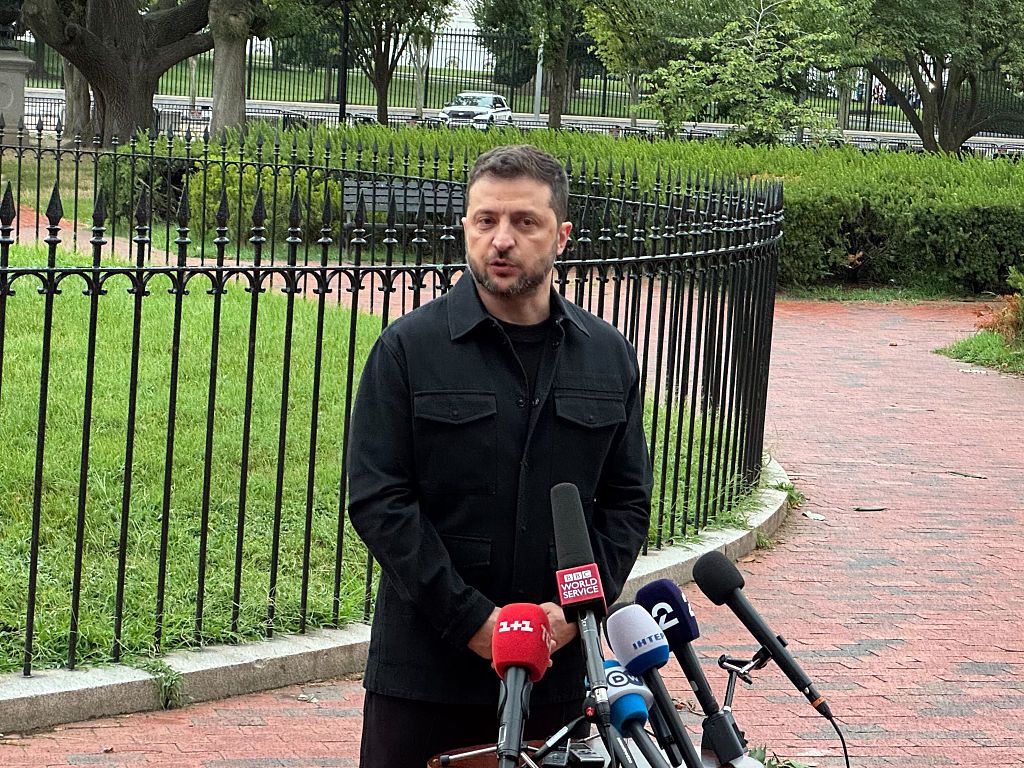
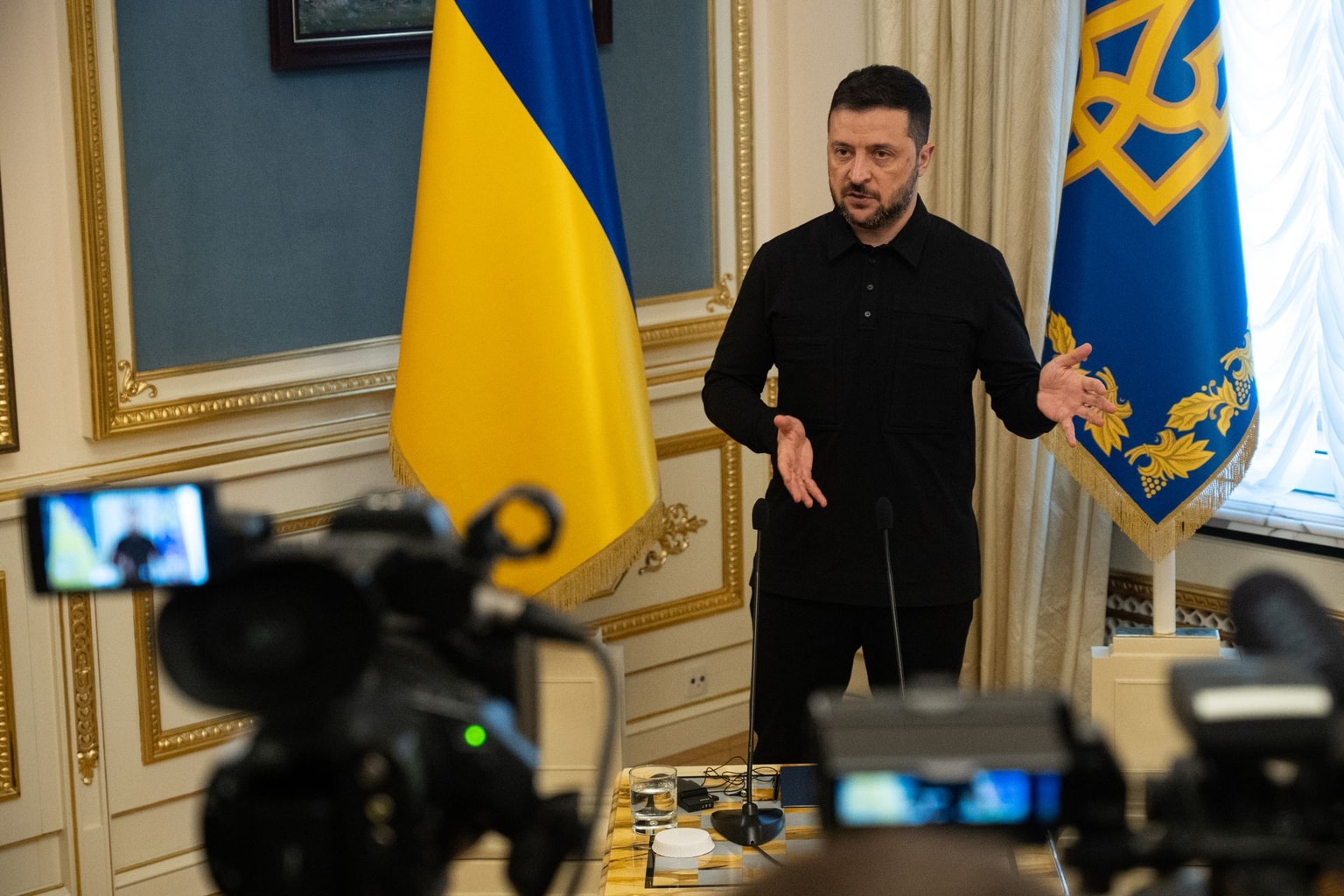
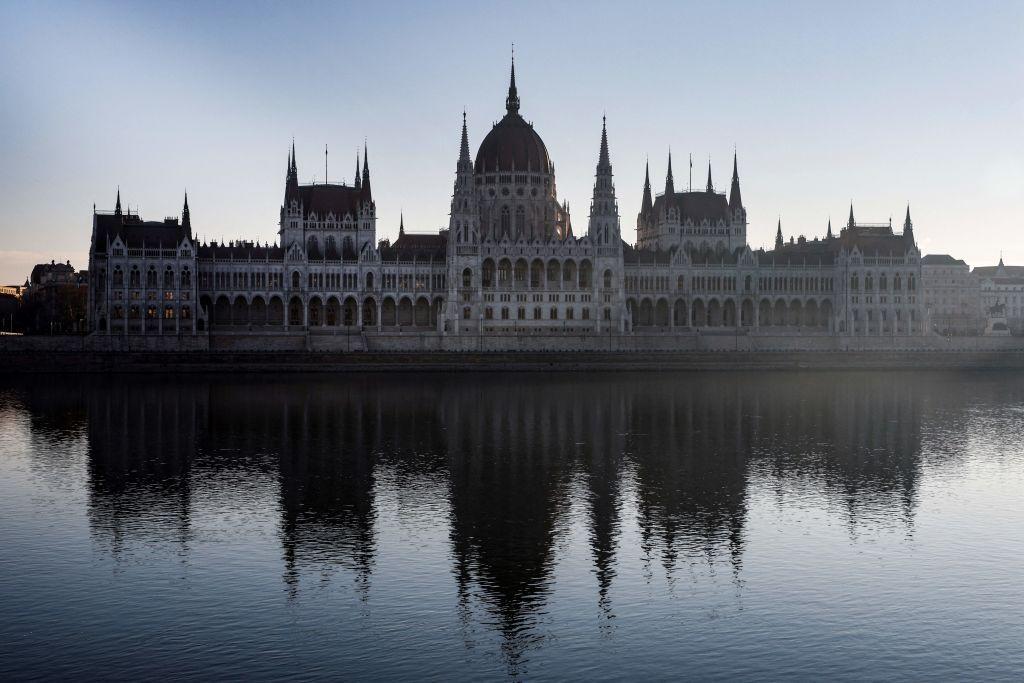
Talks between President Volodymyr Zelensky and Russian President Vladimir Putin could be held in Hungary, Reuters reported on Aug. 19, citing a U.S. administration source.
The meeting would mark the first encounter between Zelensky and Putin since the start of Russia's full-scale invasion in February 2022. The two leaders last met in Paris in December 2019 as part of Normandy Format talks mediated by France and Germany.
In April, Hungary's parliament voted to approve the country's withdrawal from the International Criminal Court (ICC), potentially allowing Putin to visit the country despite his arrest warrant issued in 2023 over the abduction of Ukrainian children.
Hungarian Prime Minister Viktor Orban, whose government is widely seen as authoritarian, has blocked or delayed military aid to Ukraine, maintained ties with Putin, and echoed Kremlin narratives.
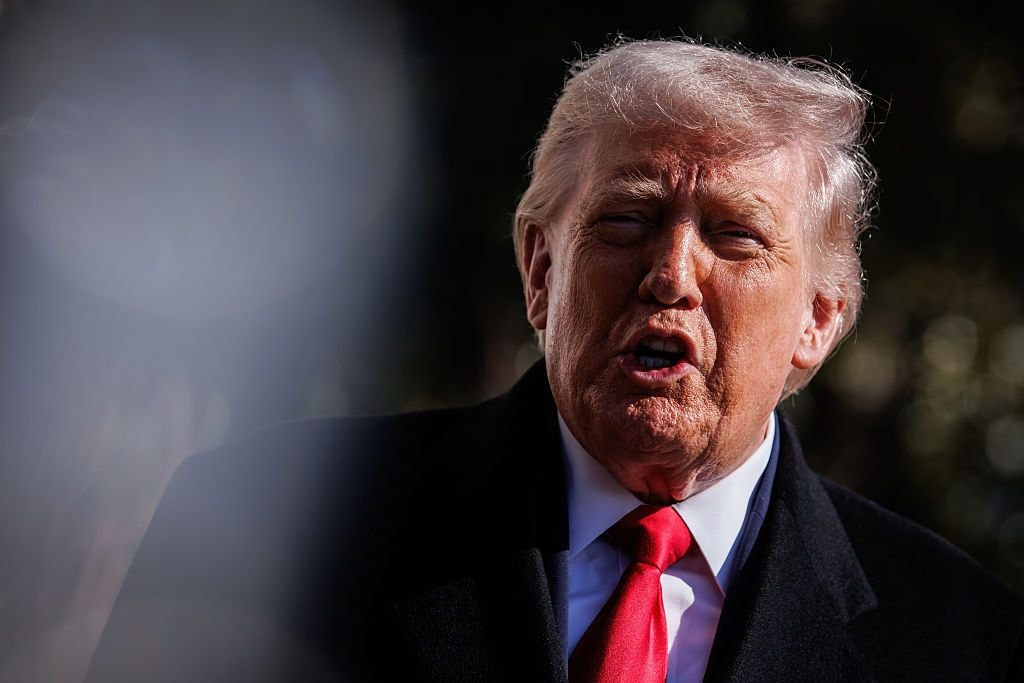
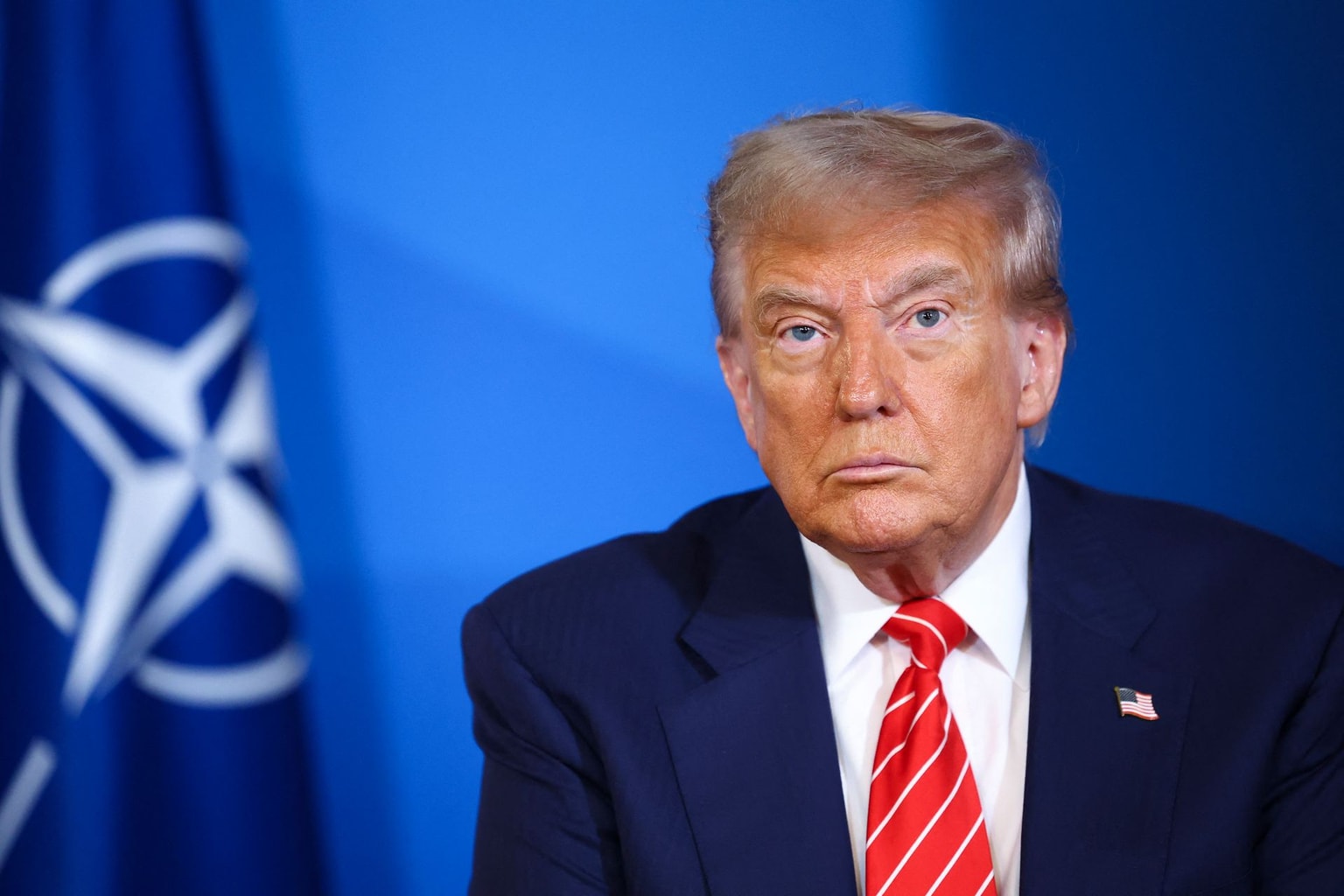
U.S. President Donald Trump said on Aug. 18, after a meeting with Zelensky and European allies, that preparations were underway for a face-to-face summit. German Chancellor Friedrich Merz, who joined the talks, said the meeting could take place within two weeks.
Russian authorities have not yet officially announced that they have agreed to such a meeting.
French President Emmanuel Macron, who was also present during the White House talks, said on Aug 19 that the summit should be held in Europe, adding that he favored Geneva as a neutral venue.
"It will be a neutral country, so perhaps Switzerland, I’m advocating for Geneva or another country. The last time there were bilateral discussions was in Istanbul," Macron told French broadcaster LCI.
Switzerland's long-standing neutrality has made it a preferred host for international negotiations, where parties can meet without the perception of bias.
Swiss Foreign Minister Ignazio Cassis said the country is willing to host the summit, emphasizing the country's experience in organizing such events, Swissinfo reported.
Turkish President Recep Tayyip Erdogan also proposed Turkey as a possible venue in July. Ukrainian and Russian delegations previously held three rounds of direct peace talks in the country.
Zelensky has repeatedly voiced readiness for direct negotiations. On Aug. 18, he said he was prepared to discuss territorial issues with Putin personally.
The Russian president has so far avoided meeting Zelensky despite claiming openness to talks.