Ukrainian drone units strike over 1 million targets since start of 2026, including nearly 200,000 Russian troops, ministry says
 on Google
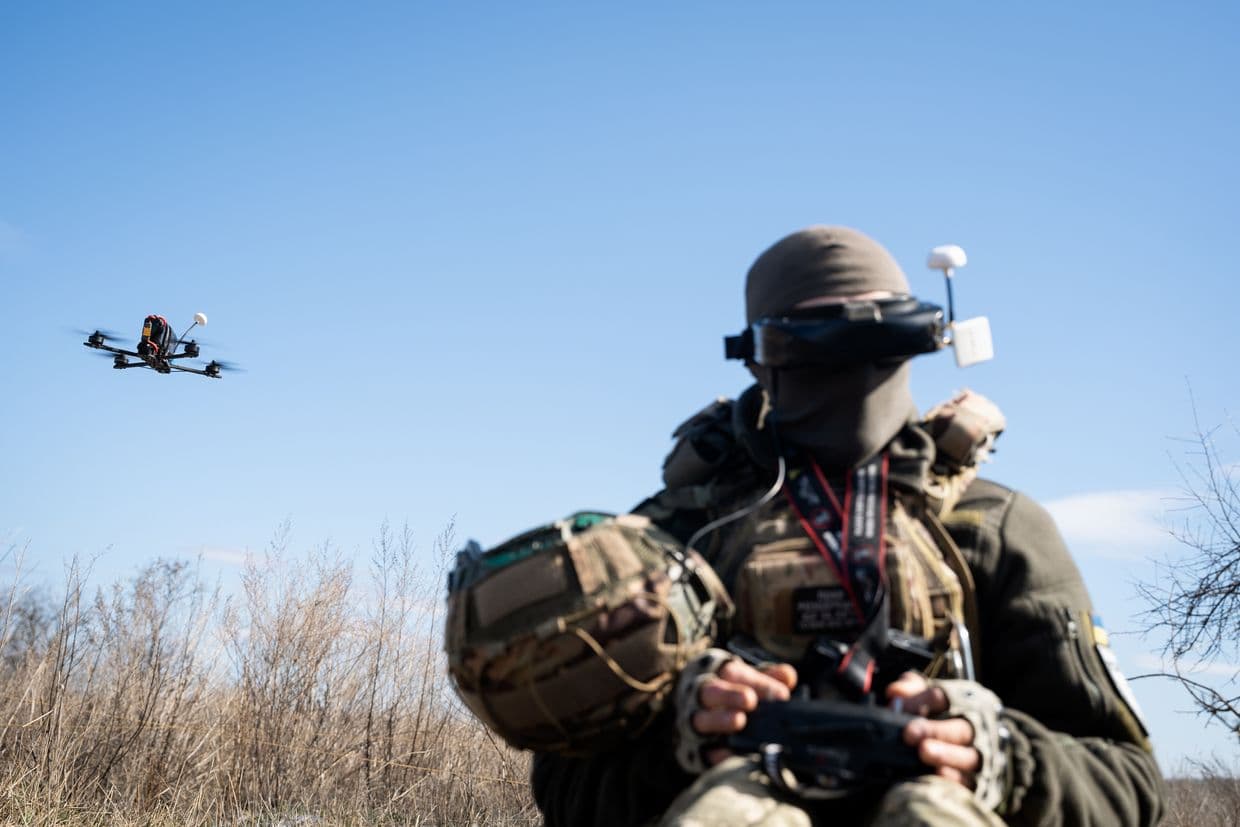
Ukrainian drone units have struck more than 1 million verified targets since the start of 2026, the Defense Ministry said on July 17.
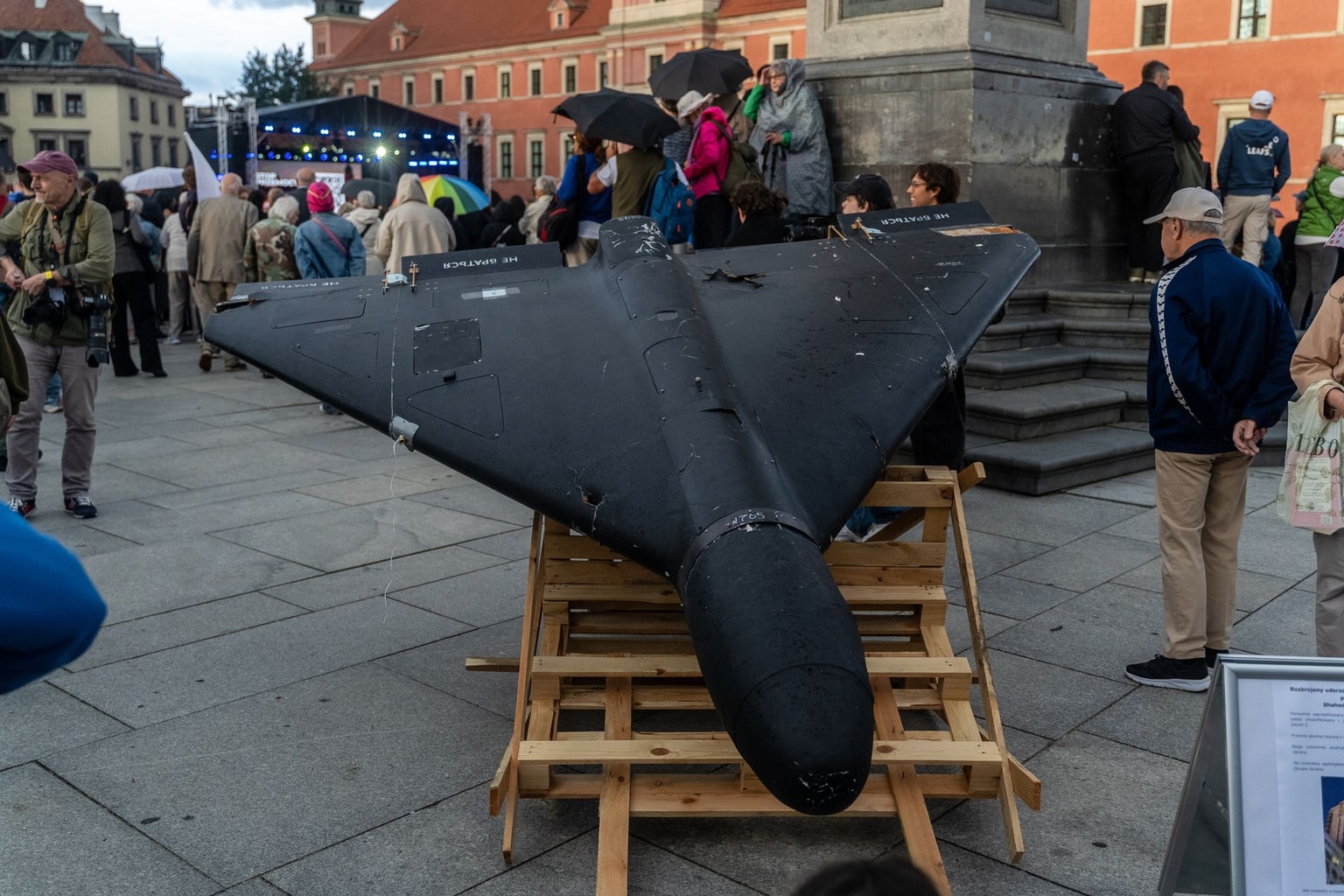
In the fifth year of Russia's full-scale invasion, the nature of warfare has changed significantly, with drones becoming a central component of both Ukrainian and Russian military operations. Their use now extends beyond the front line to deep- and mid-range strikes hundreds of kilometers from the battlefield.
Ukrainian forces are using unmanned aerial vehicles (UAVs) to strike around 90% of Russian targets, according to the Defense Ministry.
The targets hit include air defense systems, electronic warfare systems, UAVs, ground-based robotic systems, vehicles, armored equipment, and command posts.
Russian forces have also suffered significant personnel losses from Ukrainian drone strikes. Since the start of 2026, Ukrainian UAV attacks have killed or seriously wounded 193,500 Russian soldiers, according to the ministry.
Since January, the number of Russian targets hit each month has nearly doubled. Ukrainian forces carried out 105,800 successful strikes in January, while the figure rose to 200,218 in June, the ministry said.
The ministry said Ukraine's Defense Procurement Agency (DOT) awarded contracts worth Hr 333.6 billion ($7.5 billion) for UAVs in the first half of 2026, twice the amount allocated during the same period last year. First-person-view (FPV) drones accounted for the largest share among the various types of UAVs contracted.
The announcement comes amid the controversial resignation of Defense Minister Mykhailo Fedorov on July 15, who had served in the role for about six months.
One of Fedorov's key priorities was expanding the use of drones within the Ukrainian army. During his tenure, the ministry launched the "logistical lockdown" initiative aimed at disrupting Russian supply routes in occupied territories, particularly Crimea, and supported the Drone Line project, which serves as a foundation for drone procurement for the Unmanned Systems Forces.