Russia could use Ukrainian drones in false-flag strike against Baltic infrastructure, Lithuania says
 on Google
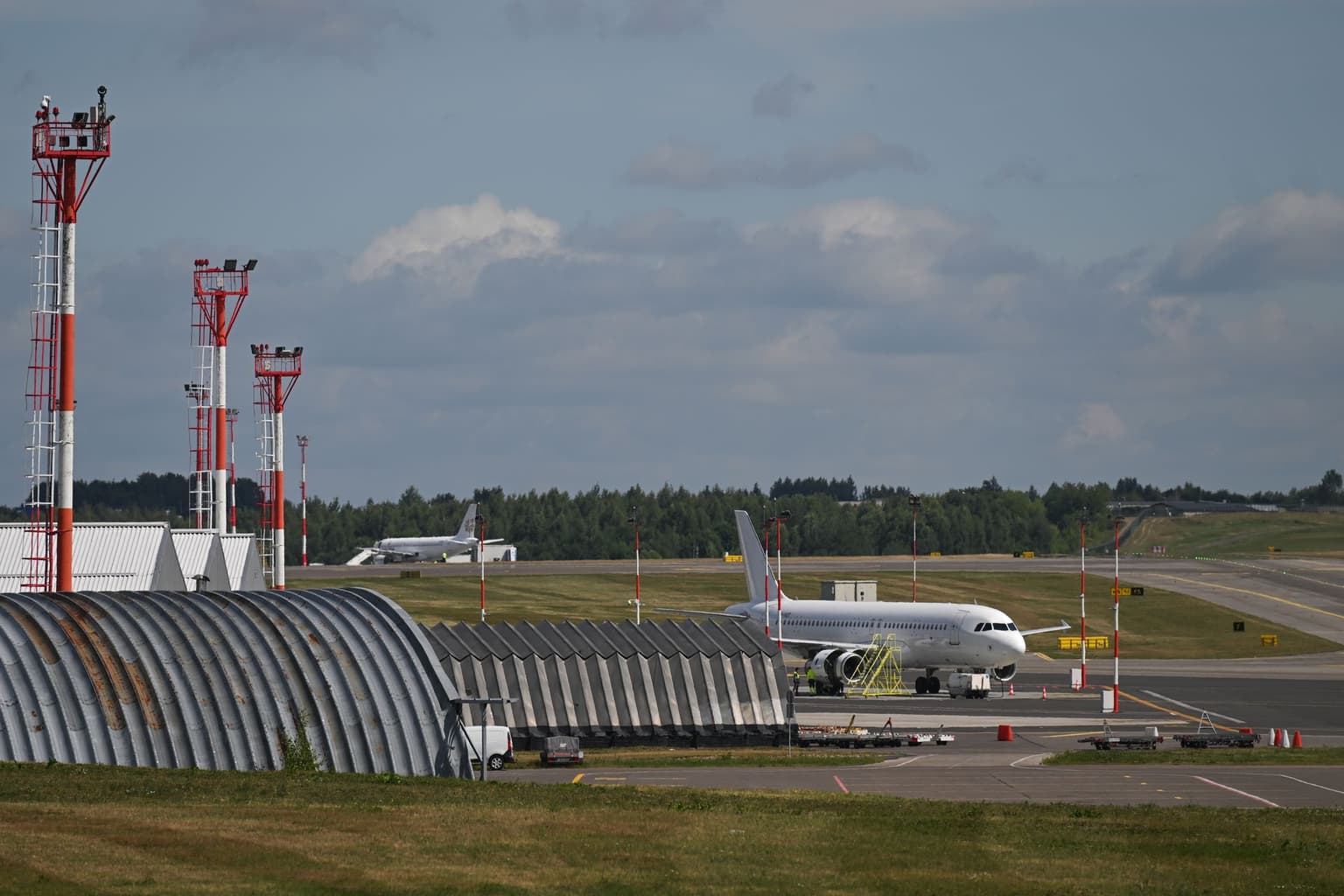
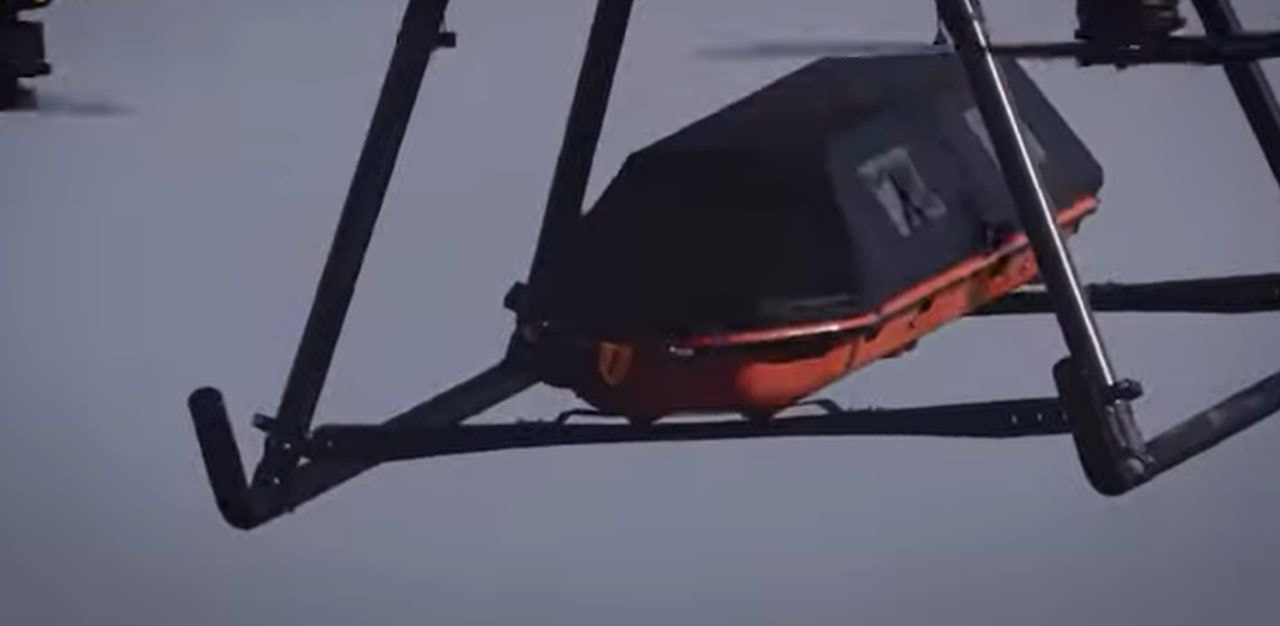
Lithuania has intelligence suggesting Russia could use Ukrainian-made drones to carry out false flag-style attacks on critical infrastructure in the Baltic region, the country's Defense Minister Robert Kaunas told local media outlet 15min on Aug. 6.
The statement comes after drone incidents and incursions in all three Baltic states — both from Ukrainian deep-strike drones and suspicious drones likely to be Russian — have raised tensions in the region.
"We have data that Russia is considering unconventional kinetic attacks on critical infrastructure in the Baltic region. Russia is likely to use Ukrainian production drones to do so," said Kaunas.
Just a day earlier, an unidentified first-person view (FPV) drone reportedly attacked a Ukrainian cargo plane at Leipzig airport in Germany.
Over 2026, Ukrainian long-range drones targeting oil infrastructure in Russia's Leningrad Oblast have strayed into the airspace of Lithuania, Latvia, Estonia, and Finland.
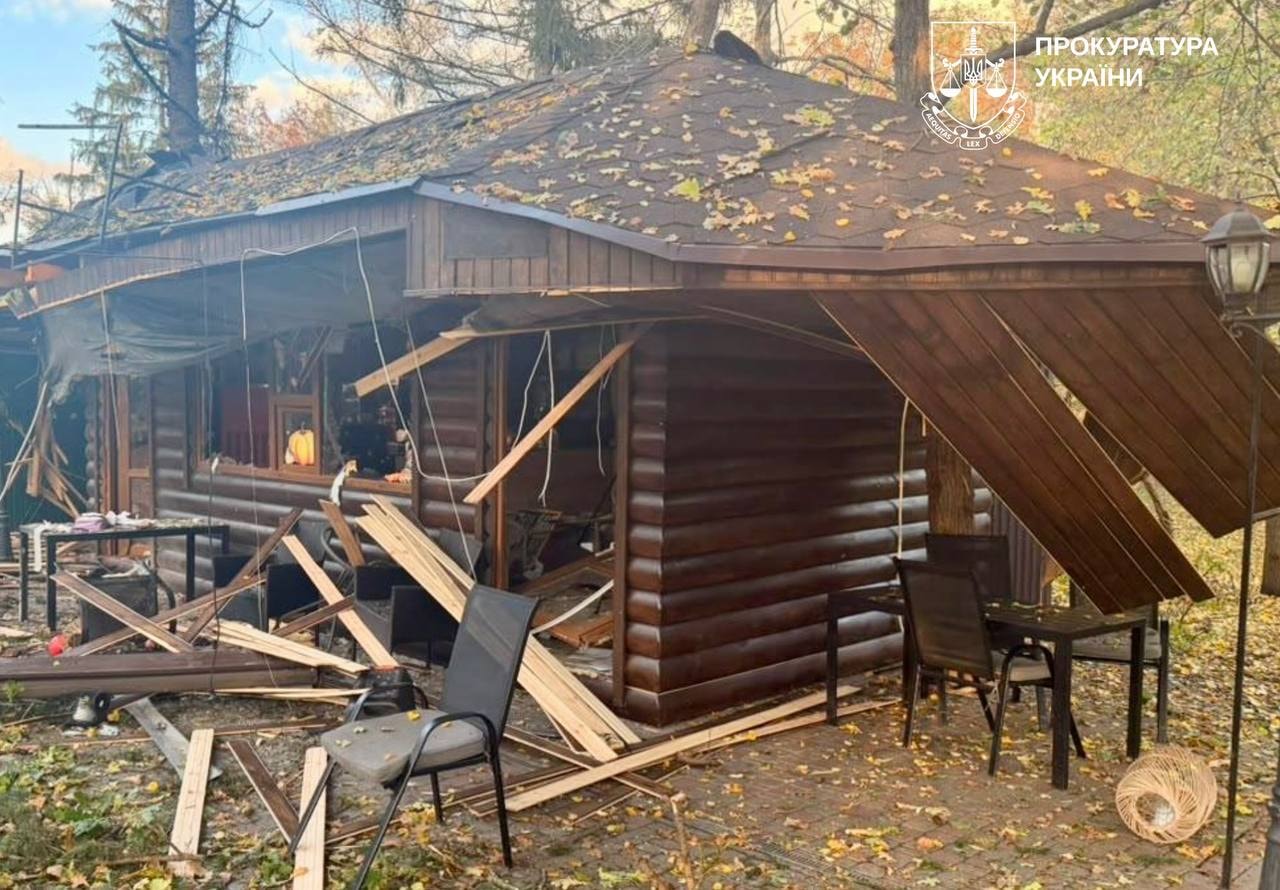
Likely diverted off course by Russian GPS jamming and spoofing, they have, on several occasions, exploded, such as in March 2026, when Ukrainian drones landed in both Latvia and Estonia in a single night.
Meanwhile, Russia has on several occasions been found using drones to test NATO's response on the alliance's eastern flank, most notably in September 2025, when 21 drones without explosives flew into Polish airspace.
On July 30, Kaunas had warned that Russian President Vladimir Putin was considering escalatory attacks or provocations in the Baltics as advances on the front line in Ukraine were stalling.
According to the Lithuanian defense minister: "Russian society is already asking the regime" why it has thus far failed to achieve a victory in Ukraine while Russia itself faces strikes and fuel shortages.
"The Kremlin, (Russian President Vladimir) Putin, needs a new escalation, some kind of new victory, and in this case the Baltic region and Poland are the closest targets," Kaunas told LRT Radio.
Recent weeks saw leaders from both Poland and Lithuania — two NATO nations bordering Moscow's ally Belarus and the heavily armed Russian exclave of Kaliningrad — warn about potential Russian provocations against their countries.