Russian drone kills 2 railway workers at station in Kharkiv Oblast as attacks kill at least 9, injure 84, across Ukraine over past day
 on Google
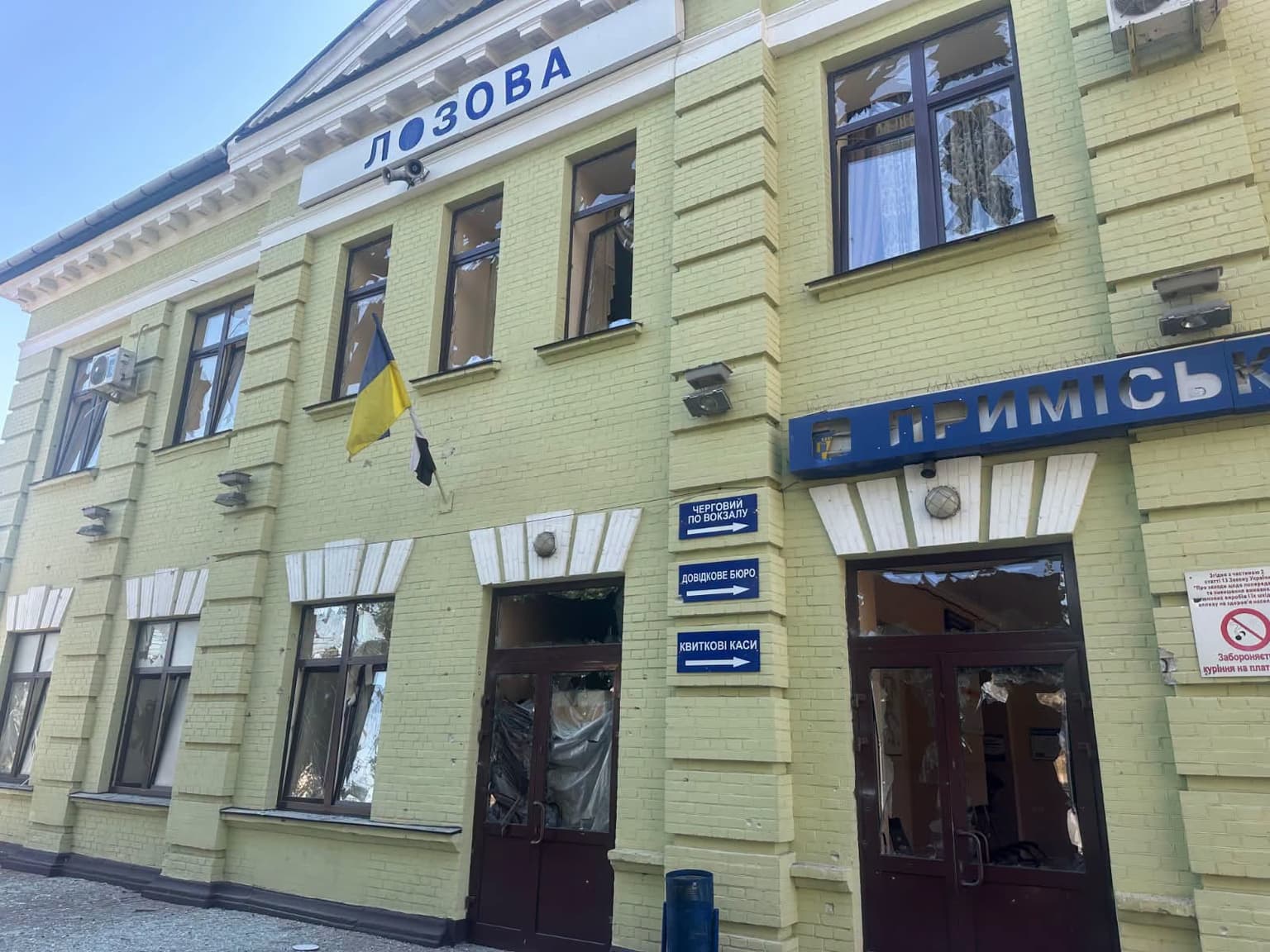
A Russian drone struck the railway station of Lozova in Kharkiv Oblast on the morning of Aug. 6, killing two people and injuring eight others, regional authorities and Ukrainian Railways both reported.
A train carriage was struck while at the station, Ukrainian Railways President Oleksandr Pertsovskyi confirmed, adding that the two men killed were both railway workers.
According to Ukrainian Railways, the attack was preceded by an air raid alert that should have given people enough time to move to special shelters installed at the station.
Located near the border with front-line Donetsk Oblast, Lozova has become an important logistical hub for the defense of Ukraine's east.
After trains stopped running to Kramatorsk in Donetsk Oblast last year, Lozova is now the last stop on the line heading east, making the station a common meeting point for soldiers, volunteers, and residents evacuated from front-line areas.

The attack came as at least nine civilians were killed and 84 more injured across Ukraine over the past 24 hours, regional authorities reported.
In Kharkiv Oblast itself, three people were killed and 14 more injured in the region over the previous day, oblast governor Oleh Syniehubov reported.
In neighboring Sumy Oblast, three people were killed, all by Russian drones, and a total of 24 injured as Russia continued attacks along both the front line and state border, the regional administration said.
One person was killed and nine more injured in Donetsk Oblast, according to regional authorities.
Russian attacks on 66 different settlements in front-line Zaporizhzhia Oblast killed one person and wounded four more, according to regional governor Ivan Fedorov.
In Odesa Oblast, a Russian attack on a civilian grain ship flying the flag of Guinea-Bissau left one person killed and three more injured, regional governor Oleh Kiper reported.
Over recent weeks, Russian forces have escalated a strike campaign against civilian shipping in the key Black Sea port.
A total of 20 people were injured in Kherson Oblast as Russia continued daily attacks with artillery, glide bombs, and drones on coastal communities on the Dnipro River, governor Oleksandr Prokudin said.
In neighboring Mykolaiv Oblast, a Russian Shahed-type drone attack injured six people, regional authorities said.
Two civilians were injured in attacks on Dnipropetrovsk Oblast, governor Oleksandr Hanzha said, after Russian drones attacked Nikopol district from the occupied side of the Dnipro River.
In northern Chernihiv Oblast, two women sought medical help after separate Russian attacks on settlements near the state border with Russia, governor Viacheslav Chaus said.