Ukraine's economy shrinks as Russia continues bombing businesses
 on Google
With Russia continuing to wage an unprecedented campaign against Ukrainian businesses, Ukraine’s Economy Ministry has downgraded its forecast for the country’s economic growth this year from 1.3% to 0.5%, as Moscow targets key industries such as steel production, e-commerce, and ports.
Speaking at an event in Kyiv on Aug. 26, Economy Minister Oleksandr Kravchenko said Russian attacks on energy and logistics infrastructure, as well as the blockade of ports in the Black Sea — Ukraine’s main export route — have hampered the country’s gross domestic product (GDP), Interfax Ukraine reported.
As Russia pummels Odesa’s ports and civilian vessels in Ukrainian waters, ships are avoiding Ukraine. As a result, Ukraine is unable to export goods by sea, including agricultural products, which made up 17% of the country’s GDP last year.
Farmers risk losing profits due to a lack of exports, while the sown area for the future harvest could fall by 5 million to 7 million hectares, Agriculture Minister Taras Vysotskyi wrote in a public statement.
To help keep the agricultural sector afloat, the U.N. will help Ukraine with special financial support tools for small and medium sized farmers who do not have easy access to bank loans.
At the same time, the U.N. is helping farmers with storage options so harvested food does not spoil. This includes 10,000 storage sleeves and prefabricated storage units, which will be delivered in the "near future."
"According to our calculations, the capacity deficit may reach 11 million metric tons this fall, and the need for financing in this area is $44 million," the Agriculture Ministry wrote.
At the same time, Ukraine’s metallurgy industry is also suffering, not only from the blocked ports but also from continued attacks.
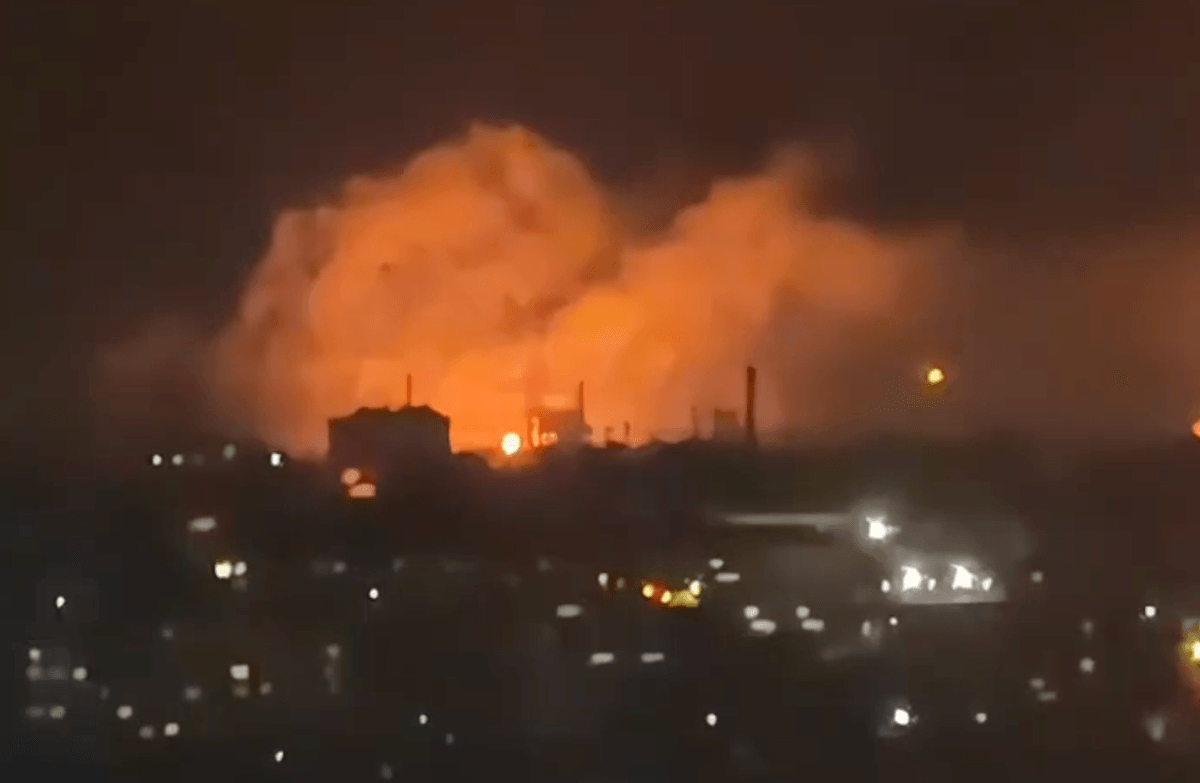
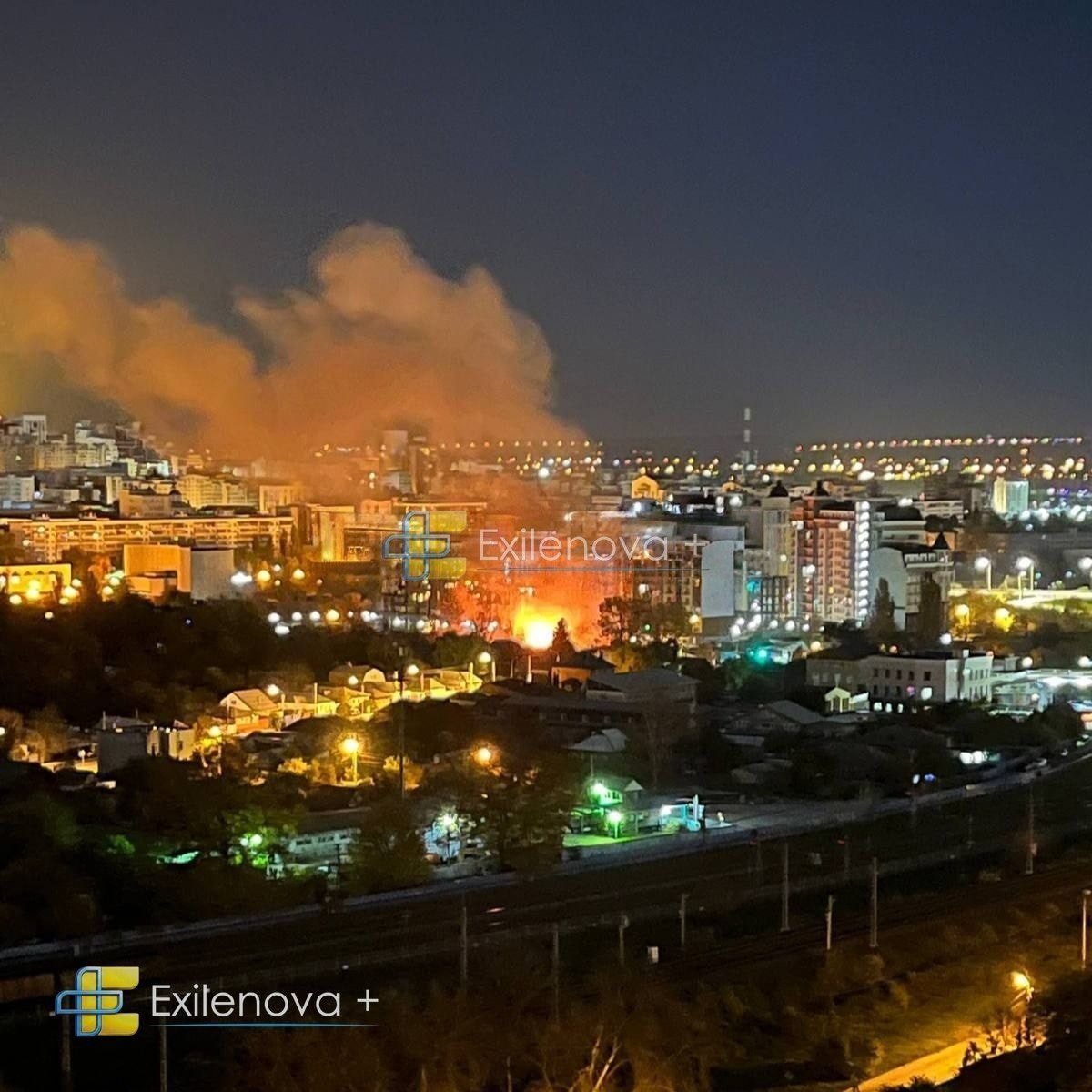
The Zaporizhstal steel plant, owned by steel giant Metinvest, was hit by several Russian ballistic missiles overnight on Aug. 27, just weeks after another strike hit the exact same targets — the plant’s blast furnace shop and energy and transport infrastructure.
"The two-week attack is unprecedented in its consequences. The civilian enterprise did not have time to recover from the strike on Aug. 11 — it was repeated again on Aug. 27: the same ballistics, the same platforms," Metinvest wrote in a public statement.
"People are alive — that’s the most important thing."
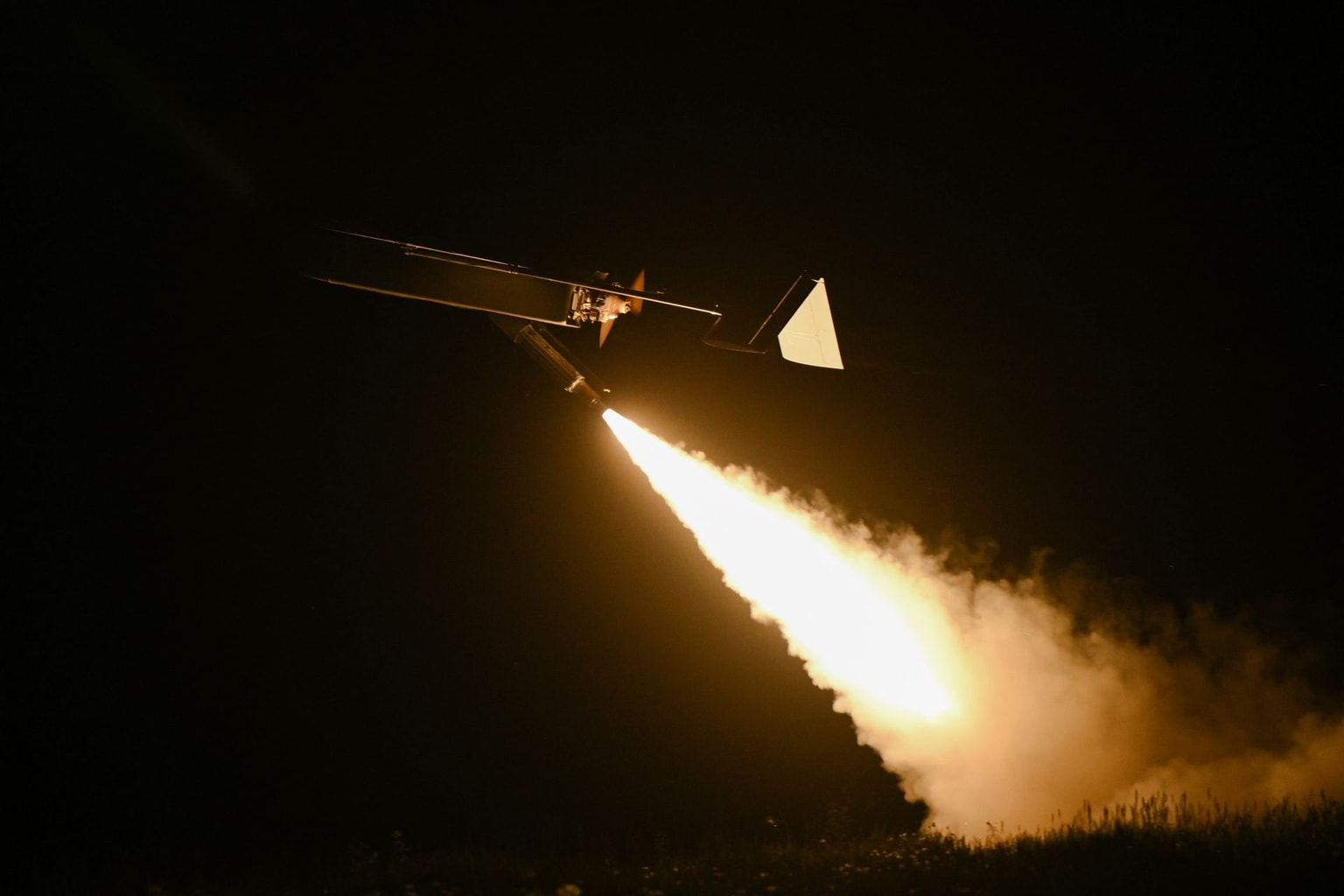
Ukraine’s steel sector was not the only target on Aug. 27. Russia fired missiles and drones at retailers and supermarkets in a wave of attacks across the country that lasted throughout the day.
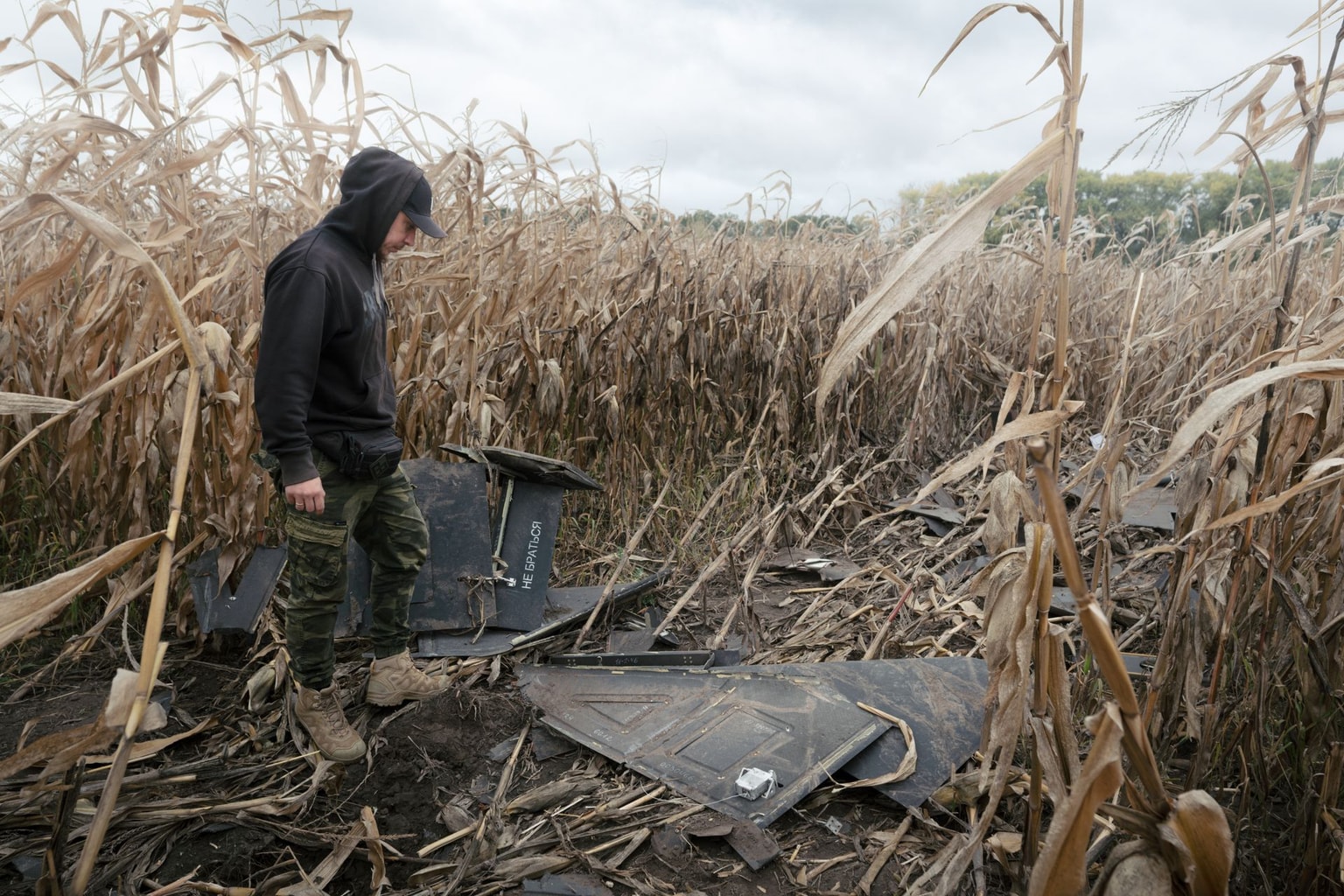
A drone hit an Epicentr hypermarket in Kharkiv, while mass combined attacks on Kyiv Oblast destroyed warehouses used by supermarket chains Fora and Kolo, several distribution centers belonging to House of Toys, home goods and electronics store Comfy, and discount store Avrora, as well as a warehouse belonging to confectionery chain Roshen, owned by former President Petro Poroshenko.
No employees were reported injured, and the companies are continuing to operate, although several have told customers to expect delays.
Russia similarly attacked several distribution centers at the start on Aug. 4-5, causing food shortages in supermarkets for weeks. However, for now, supermarkets have not warned of a food crisis, as they are moving to distributed storage to mitigate the impact of future attacks.
It's not just Ukrainian businesses that are victims either. During a visit to Kyiv on Aug. 26, U.S. Democratic Senator Richard Blumental asked American businesses to appeal more to U.S. President Donald Trump to put pressure on Russia, since half of them operating in Ukraine have been damaged by drones or missiles, Interfax Ukraine reported.
While summer has not quite come to an end in Ukraine, that has not stopped Russia from bombing the country’s energy facilities. Overnight on Aug. 27, Russian glide bombs destroyed all the equipment at the Kherson thermal power plant, Naftogaz, a state-owned energy giant, reported.
Kravchenko, the economy minister, warned that this winter will be hard. Another Russian campaign against Ukraine’s energy infrastructure would also damage the country’s economy. Ukraine's GDP fell by 0.6% in the first four months of the year due to energy strikes.
Ukrainians should be ready for the "worst-case scenarios," he stressed.