Ukraine war latest: Ukrainian deep strikes hit over 70 Russian industrial targets, including oil and gas sites, in March, Syrskyi says
 on Google

Key developments on April 15:
- Ukrainian deep strikes hit over 70 Russian industrial targets, including oil and gas sites, in March, Syrskyi says
- UK pledges to send record number of drones to Ukraine by end of 2026
- 'It couldn't be any worse' — Zelensky sounds alarm on Patriot air defense missile shortage
- Russia warns Europe over drone support for Ukraine, calls it escalation
Ukrainian forces struck 76 Russian industrial targets in March using long-range weapons, Ukraine's Commander-in-Chief Oleksandr Syrskyi said on Telegram on April 15.
"With the goal of lowering the enemy's advance capabilities, we are maintaining a high strike intensity on military, defense industry, and other facilities on Russian territory that sustain the occupier's activities," Syrskyi wrote.
Fifteen of the 76 targets were oil refineries, according to Syrskyi.
Ukraine's attacks on Russian industrial facilities have been a feature of the war for years, but the effectiveness of the campaign, particularly against oil and gas refineries and transit points, has increased significantly in the past half-year.
President Volodymyr Zelensky said some allied countries facing higher fuel prices have asked Ukraine to scale back such attacks.
The situation along the front line is more challenging. Syrskyi said Russian forces are pressing Ukrainian positions along the 1,200-kilometer (745-mile) front line as spring conditions set in.
"We counter Russian quantity with Ukrainian quality in conducting military operations, forcing the opponent to play by our rules and delaying the timelines for fulfilling its objectives," Syrskyi added.
Despite signs of a Ukrainian counteroffensive in recent months, particularly in thinly held areas of Dnipropetrovsk and Zaporizhzhia oblasts, Ukrainian soldiers have been bracing for a step-up in Russian assaults.
Syrskyi, said that between March 17 and 20, Russia launched an offensive involving "tens of thousands of soldiers," with more than 6,000 killed.
UK pledges to send record number of drones to Ukraine by end of 2026
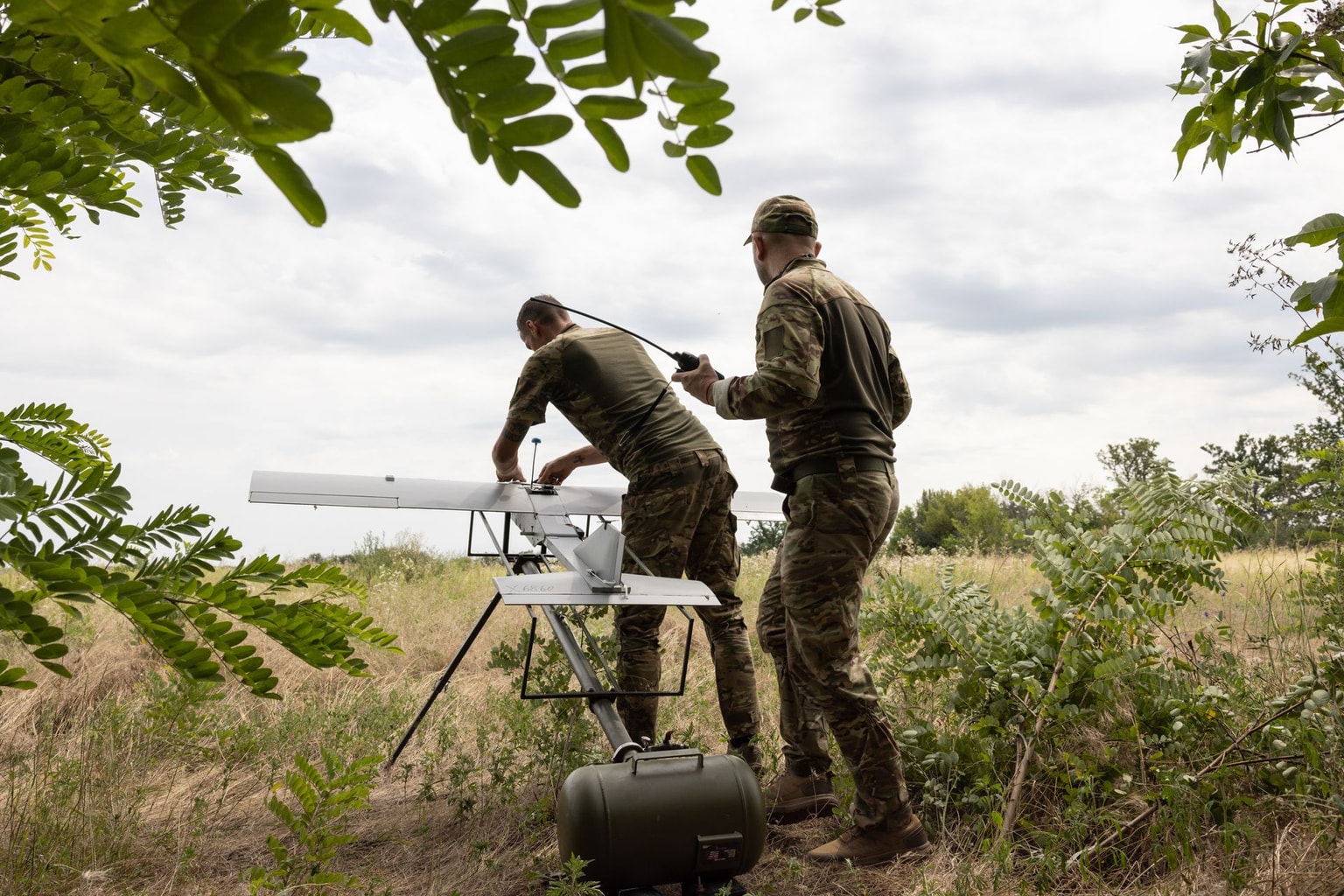
The U.K. has pledged to supply Ukraine with more than 120,000 drones of various types by the end of 2026, the country's defense ministry said on April 15.
The U.K. Defense Ministry announced its "biggest ever drone package for Ukraine," which will include "thousands of long-range strike drones, intelligence and reconnaissance drones, logistics drones, and maritime capabilities."
The U.K.'s new drone commitment comes amid a flurry of announcements at the 34th meeting of the Ukraine Defense Contact Group in Berlin, which is expected to bring together representatives from about 50 countries.
"With eyes on the Middle East in recent weeks, (Vladimir) Putin wants us to be distracted, but Ukrainians continue to fight with huge courage and nothing will distract us from continuing to stand with them for as long as it takes to secure peace," U.K. Defence Secretary John Healey said.
The funds will go primarily to U.K. companies, with the U.K. Defense Ministry naming Tekever, Windracers, and Malloy Aeronautics in particular, according to the statement.
Drone deliveries are expected to begin as early as April, the statement read.
Funding for the drone program is part of the U.K.'s broader military support for Ukraine, totaling 3 billion pounds ($4 billion) annually, and follows a 500 million pounds ($680 million) air defense package announced in February at a Ukraine Defense Contact Group meeting at NATO headquarters in Brussels.
'It couldn't be any worse' — Zelensky sounds alarm on Patriot air defense missile shortage
Ukraine's supply of U.S.-produced Patriot air defense missiles is facing a critical shortage, Ukrainian President Volodymyr Zelensky said in an interview with German ZDF published on April 14.
"The situation is in such a deficit, it could not be any worse," Zelensky said, adding that the war in the Middle East is negatively affecting Ukraine and reducing its chances of receiving military aid.
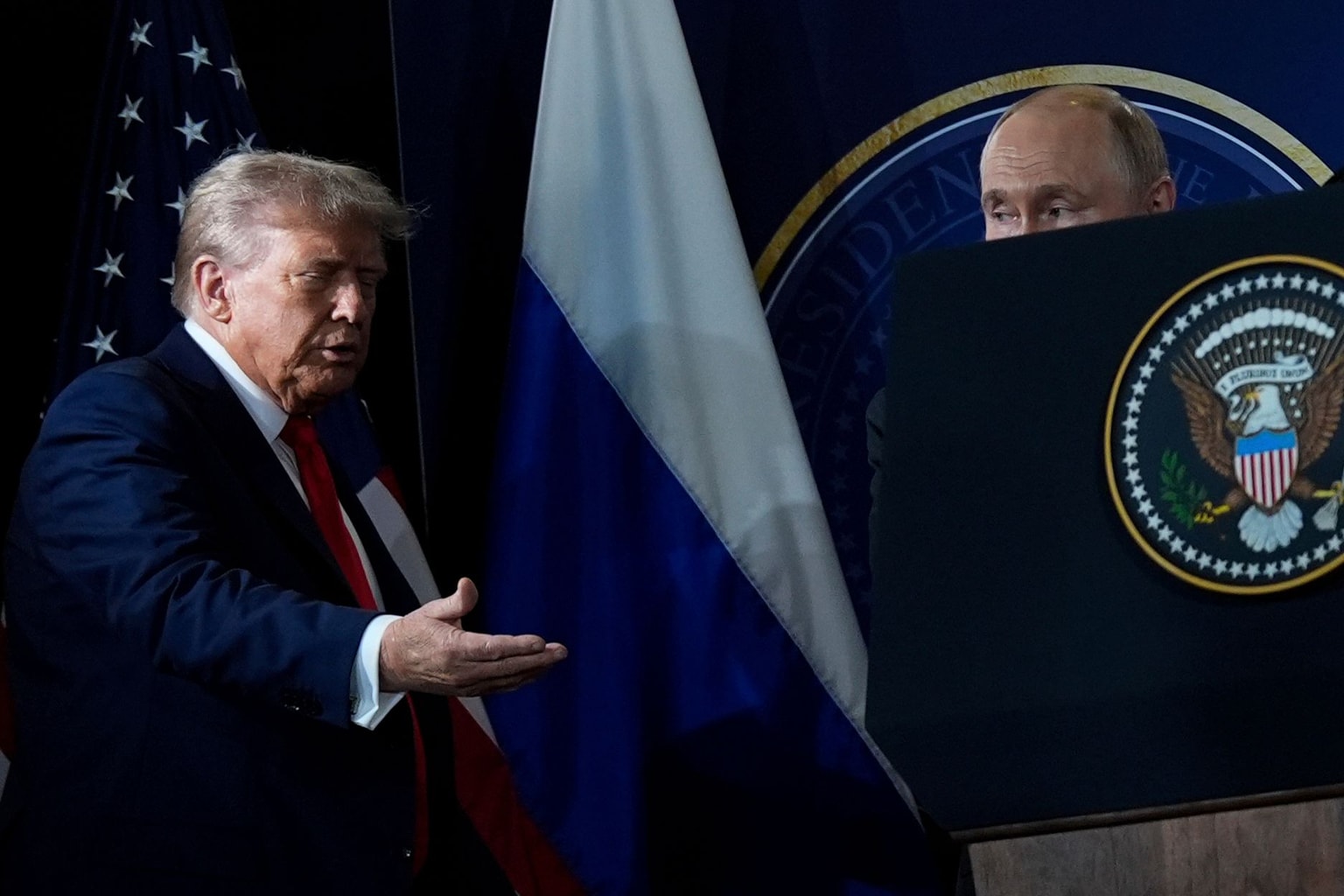
With the cutoff of U.S. aid to Ukraine under President Donald Trump, Patriot missiles have become a particular sticking point. Made only in the U.S., despite new manufacturing under development in Germany, PAC-3 missiles remain by far the best defense Ukraine has against Russian ballistic missiles that regularly strike its cities.
According to Zelensky, Ukraine has secured additional contributions from Germany and Norway to the Prioritized Ukraine Requirements List (PURL) program in recent days, and reached agreements with Berlin on the supply of PAC-2 missiles for air defense forces, as well as additional launchers for IRIS-T systems.
"We are receiving (air defenses) slower than is possible, but we are receiving them," the president added.
U.S. Vice President J.D. Vance called ending U.S. aid to Ukraine "one of the things I am proudest that we have done in this administration" at an April 14 event in the state of Georgia. Still, Zelensky was hesitant to condemn America's current posture.
Russia warns Europe over drone support for Ukraine, calls it escalation
Russia warned on April 15 that European support for Ukraine's drone capabilities could lead to "unpredictable consequences," accusing several countries of becoming part of Kyiv's "strategic rear," according to the Russian Defense Ministry.
Ukraine and its European partners have recently expanded defense cooperation, including agreements with the United Kingdom and Germany on joint initiatives such as drone supply and production, alongside a combined 2 billion euros ($2.35 billion) in new military aid pledged by Spain and Belgium.
The ministry said drones used in Ukrainian strikes are being produced with support from facilities across Europe, naming cities including London, Munich, Prague, and Riga, as well as component production sites in Spain and Italy.
Western support for Ukraine's defense industry has increasingly included joint production, financing, and the supply of components from multiple countries, particularly in the drone sector, which Kyiv has rapidly expanded to sustain long-range strikes inside Russia.
Russia also said it had published the names and addresses of companies allegedly involved in drone production, saying this was intended to inform the European public about what it described as the "true sources" of threats to European security.