Ukraine war latest: Ukraine confirms strikes on Russian oil infrastructure, defying calls to ease attacks amid soaring fuel prices
 on Google
Key developments on April 4-5:
- Ukraine confirms strikes on Russian oil infrastructure, defying calls to ease attacks amid soaring fuel prices
- Russia increases attacks on civilians, killing 16 and injuring 94 more
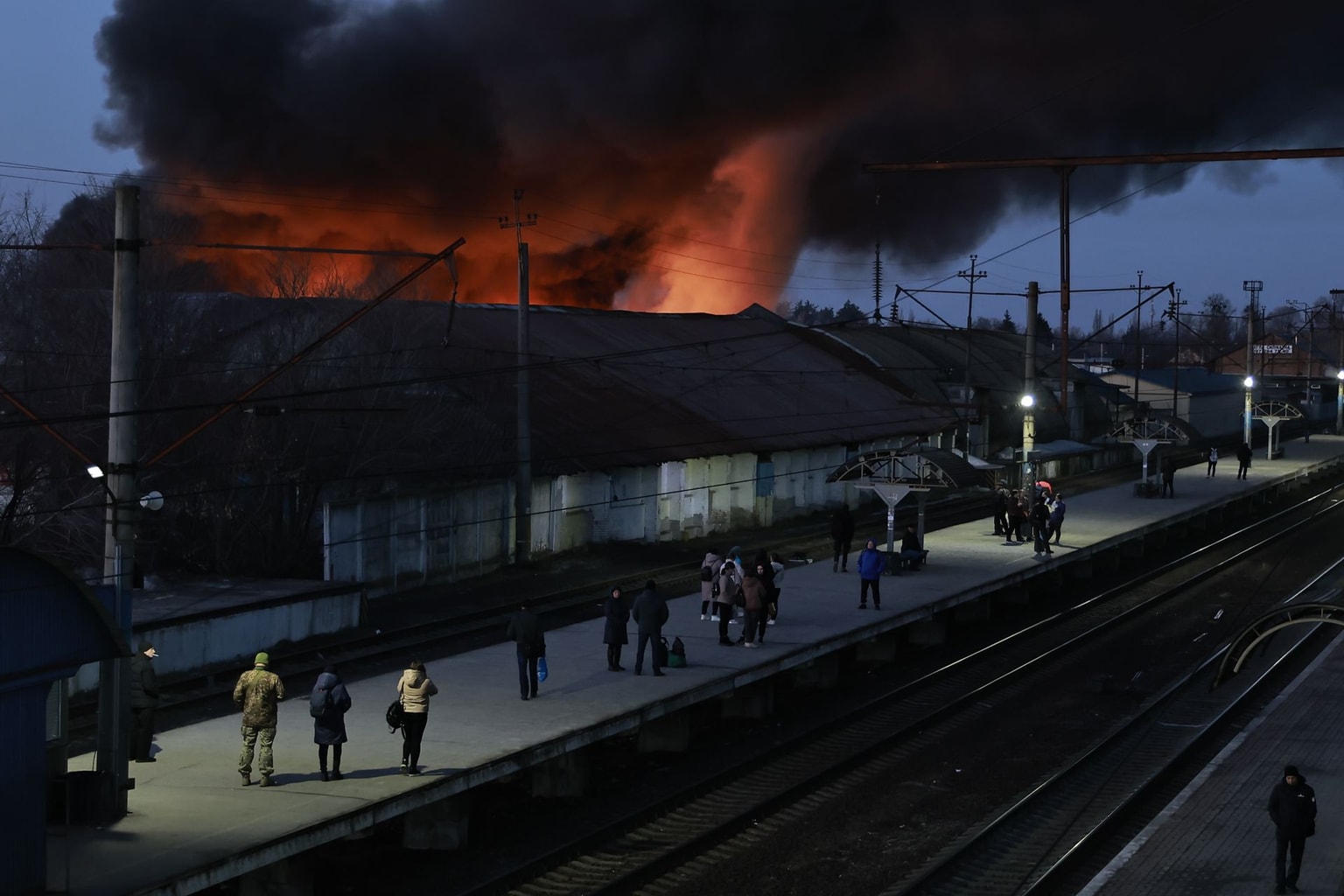
- Explosions, fires reported in Russia’s Tolyatti, Taganrog after drone attacks
- Russia drops record number of deadly glide bombs on Ukraine, steps up aerial attacks
- Ukraine strikes Russian fuel train, confirms damage to multimillion-dollar Orion drones in occupied regions
Ukrainian drones struck a Lukoil oil refinery in the Russian city of Kstovo and an oil terminal in Leningrad Oblast overnight on April 5.
Robert "Madyar" Brovdi, the commander of Ukraine's Unmanned Systems Forces, confirmed the attack on April 5.
The attack comes as Ukrainian officials have acknowledged that foreign allies have asked Kyiv to pause drone attacks on Russian oil refineries as the U.S.-Israeli war in Iran drives up fuel prices worldwide.
Russian officials in Nizhny Novgorod Oblast and Leningrad Oblast said that Ukrainian drones caused damage to refining facilities and an oil pipeline.
“Last night, air defense forces repelled an attack by 30 enemy drones. As a result of the falling debris, two facilities of (the Lukoil-Nizhegorodnefteorgsintez refinery) were damaged," Gleb Nikitin, the governor of Nizhny Novgorod Oblast, said on April 5, according to Russian Telegram channel ASTRA.
Alexander Drozdenko, governor of Leningrad Oblast, said on his Telegram channel that an oil pipeline near the Primorsk port was damaged by drone debris.
Photos and videos posted on social media appear to show large flames emanating from the refinery. A large explosion was seen lighting up the night sky over what is purported to be the Lukoil-Nizhegorodnefteorgsintez refinery in Russia's Nizhny Novgorod Oblast.
The Lukoil refinery, which has previously been the target of Ukrainian attacks, is located around 800 kilometers from the Ukrainian border. The Primorsk oil terminal has also come under Ukrainian attack in recent weeks, with strikes on several consecutive nights at the end of March.
Ukraine regularly strikes military and industrial targets in Russia with long-range drones, with oil refineries serving as frequent targets. Kyiv considers these facilities to be valid military targets, as they provide fuel and funding for the Kremlin's war machine.
The U.S. sanctioned Lukoil and another Russian energy company, Rosneft, in October 2025, freezing Lukoil's U.S.-based assets and threatening secondary penalties for foreign entities engaging with them. The sanctions, the first such measures imposed by the second Trump administration, were designed to pressure Moscow into peace talks in Ukraine, as fossil fuel revenues play a key role in sustaining Russia's war efforts.
Despite the sanctions, following the start of its war in Iran, the U.S. Treasury Department issued a temporary license on March 12 to allow countries to purchase Russian oil currently stranded at sea, in an effort to stabilize global energy prices.
Oil prices have skyrocketed amid the escalating war in Iran, which is in its sixth week. Energy facilities in the Middle East have been targeted throughout the conflict, while Iran has also shut down the Strait of Hormuz — a key waterway through which roughly one-fifth of the world's oil supply transits.


Russia increases attacks on civilians, killing 16 and injuring 94 more
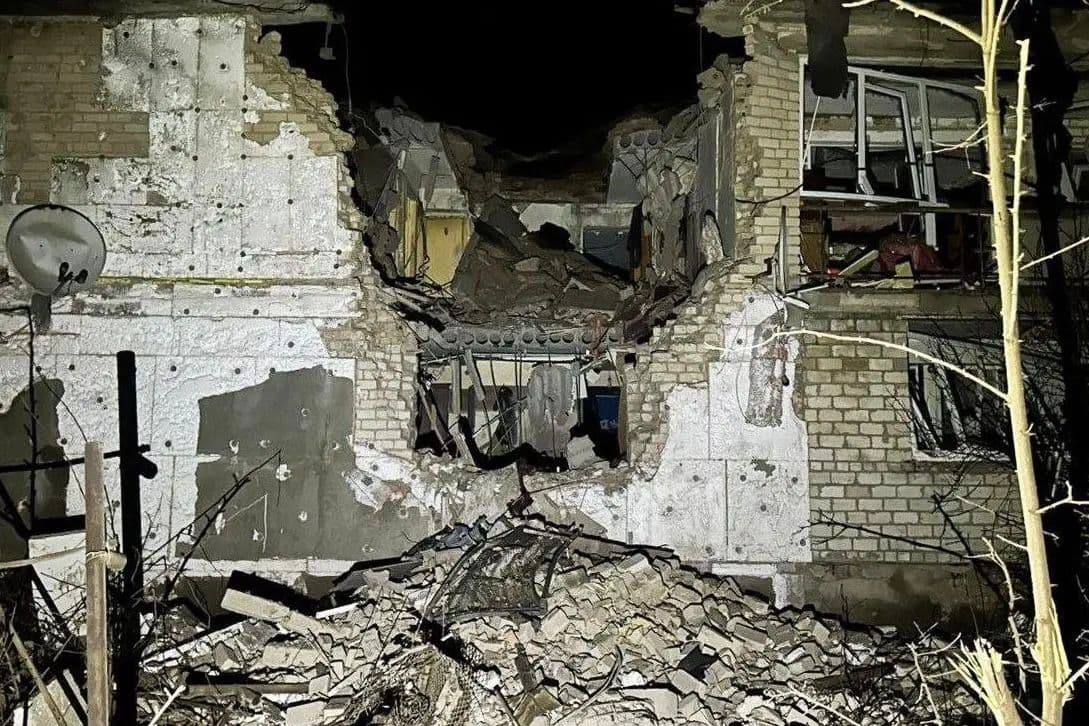
Russia’s terror campaign against Ukrainian civilians killed at least 16 people and injured 94 over the last day, despite Kyiv’s pleas for an Easter ceasefire.
In one of the worst attacks, a Russian drone targeted a market in Nikopol, Dnipropetrovsk Oblast, killing at least five people and injuring 27 on the morning of April 4, Ukraine's Prosecutor General reported.
At around the same time, Russian forces hit a residential neighborhood in Kharkiv, injuring five people, the Kharkiv Regional Prosecutor's Office reported.
Overnight, Russian strikes on Dnipropetrovsk Oblast injured a five-month-old baby, a six-year-old boy, and a 41-year-old woman as fires blazed through neighborhoods, reported Oleksandr Hanzha, Dnipropetrovsk Oblast governor.
Another Russian drone tore through an apartment in Sumy during a mass nighttime attack. In total, 13 people are known to have been injured, including a 15-year-old girl, reported the Sumy City Council.
The day before, Russian aerial attacks on Kramatorsk, Donetsk Oblast, killed six people and injured 10, hitting homes, businesses, and critical infrastructure, Donetsk Oblast Governor Vadym Filashkin reported.
Russian forces attacked 11 districts in Kharkiv Oblast, including Kharkiv city, with glide bombs and drones on April 3 and April 4, killing four people and injuring 11, Kharkiv Oblast Governor Oleh Syniehubov reported.
Russian attacks on Kherson Oblast on April 3 killed one person and injured 25 others, Governor Oleksandr Prokudin said.
The attacks come as Catholics and Protestants prepare to celebrate Easter on April 5. Eastern Orthodox Easter is celebrated on April 12 this year.
President Volodymyr Zelensky proposed a ceasefire during the religious celebrations. But Moscow answered by intensifying strikes.
Last month saw some of the heaviest aerial campaigns from Russia, with 6,500 drone attacks and nearly 8,000 glide bombs dropped — a wartime record.

Explosions, fires reported in Russia's Tolyatti, Taganrog after drone attacks
Ukrainian forces reportedly struck defense and chemical industry facilities in the Russian cities of Taganrog and Tolyatti overnight on April 4, according to Russian Telegram channels.
In Tolyatti, videos posted on social media showed fires burning in the area of the Togliattikauchuk and KuibyshevAzot chemical plants, which are located near each other in Samara Oblast.
Samara Oblast, a regular target of strikes deep within Russian territory, is located approximately 750 kilometers from the Ukraine-Russia border.
Russian sources reported that multiple drones struck the area, causing fires at industrial facilities, though the full extent of the damage remains unclear.
In Taganrog, two defense-related enterprises were reportedly damaged in a separate drone attack earlier in the week.
The Atlant-Aero facility, which develops and produces drones, and the Beriev Aircraft Plant, where Tu-95 bombers and A-50 surveillance aircraft are modernized, were both reportedly hit.
One civilian was killed and four others were injured after a drone fell on a residential building during the Taganrog attack, according to independent Telegram outlet, Astra.
Taganrog sits along southern Russia's Azov Sea coast, located just 40 kilometers (25 miles) from Ukraine's border with Russia.
The Kyiv Independent could not immediately verify the reports, and Ukraine’s military has not commented on the claims.
Ukraine regularly strikes military infrastructure deep within Russia and occupied territories in an effort to diminish Moscow's capacity to continue waging war on Ukraine.
Russia drops record number of deadly glide bombs on Ukraine, steps up aerial attacks
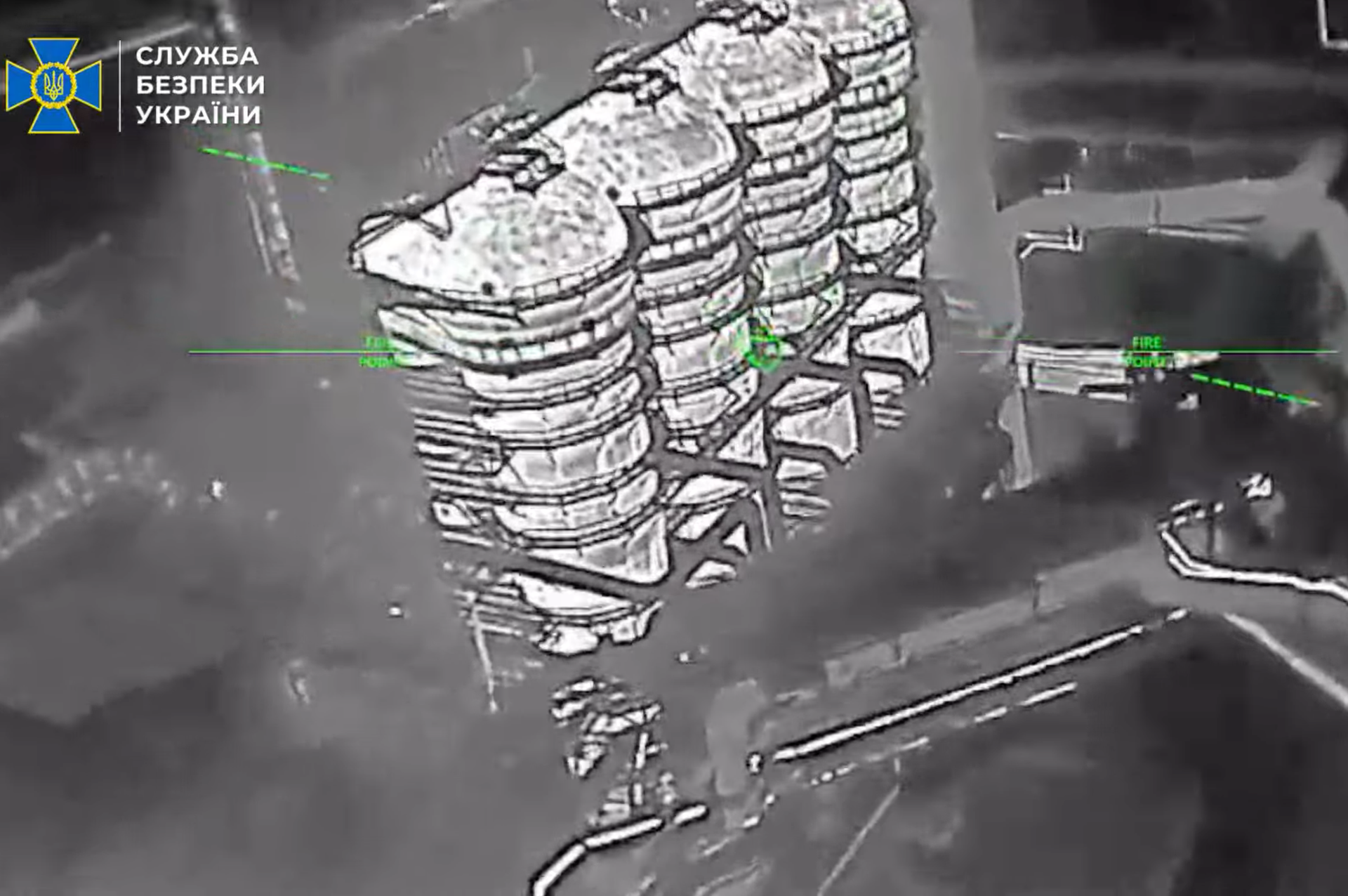
In March, Russia dropped the largest number of aerial guided bombs (or glide bombs) on Ukraine since the start of the full-scale invasion, Ukraine’s Defense Ministry reported on April 3.
Russian forces launched 7,987 glide bombs last month — over 1,500 more than the previous record in February. Russian forces also carried out 115,000 artillery attacks, including 2,834 multiple launch rocket systems (MLRS).
"Having failed to achieve the desired successes at the front, the Russian army is trying to apply pressure by increasing the number of airstrikes," the Defense Ministry said.
Guided aerial bombs, while having a shorter range than missiles, are cheaper to produce. They are launched from aircraft behind the front lines within Russian territory or Russian-occupied territories — beyond the reach of Ukrainian air defense.
They are nearly impossible to shoot down due to their heavy iron construction and their tendency to approach at extremely fast speeds, and from high altitudes, unlike cruise missiles or drones, according to experts.
But Ukraine has been able to deploy jammers that divert the bombs away from their targets. In the war’s typical cat and mouse game, Russia upgraded the weapon to overcome jammers last year, pushing Ukraine to develop a new jammer this year.
But it's not just glide bomb attacks that have increase. Russia also launched a record 1,000 drones over a 24-hour period on March 23-24, including a rare mass attack during daytime, killing 7 and injuring around 50.
In total, Russia launched nearly 6,500 drones in March. And there's no signs that Moscow intends to slow down, particularly as U.S.-brokered peace negotiations take a backstage following the outbreak of the American-Israeli war on Iran.
Ukraine strikes Russian fuel train, confirms damage to multimillion-dollar Orion drones in occupied regions
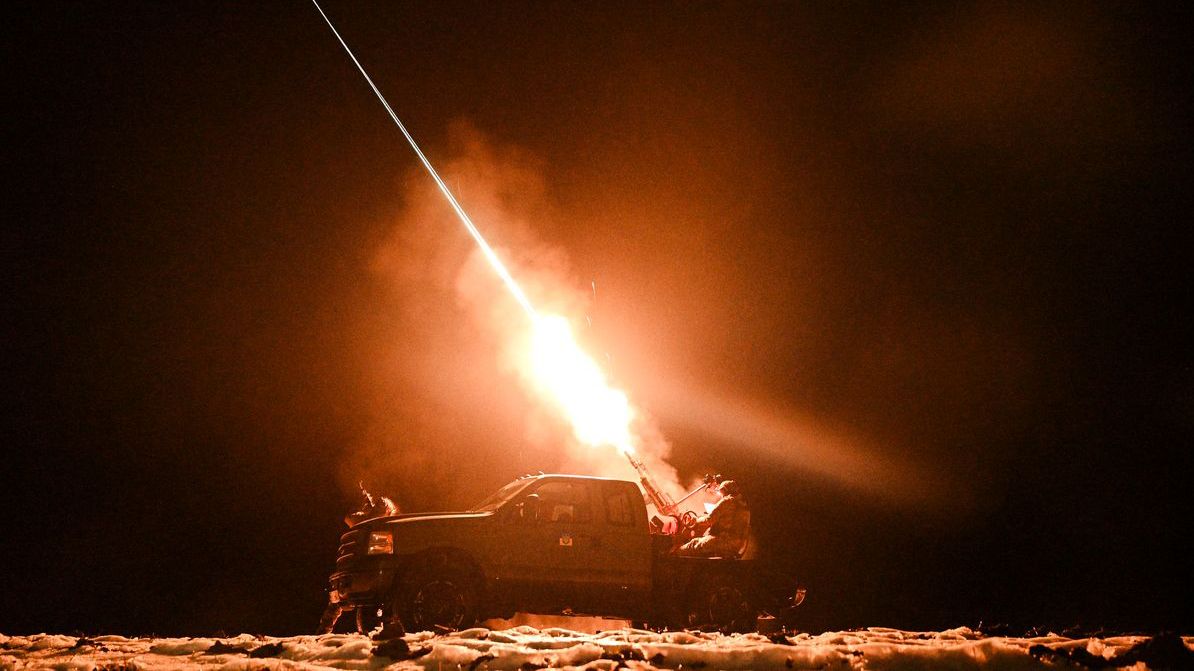
Ukrainian forces struck a rail convoy carrying fuel to the Russian military in occupied Luhansk on April 3 and overnight on April 4, the General Staff of Ukraine's Armed Forces reported.
The military also shared the latest updates on a recent Ukrainian strike against an Orion drone base at the Kirovske airfield in Russian-occupied Crimea.
Ukraine hit Russian fuel trains near the villages of Stanytsia Luhanska and Shchotove in occupied Luhansk Oblast in attacks on April 3 and the night of April 4, the General Staff said. The convoys supply occupying Russian forces in the region.
"The damage to these objects complicates the provision of fuel and lubricants to the occupying army of the Russian aggressor," the military said.
Ukrainian forces have previously reported attacks on Russian fuel trains in occupied territories as part of its attempt to disrupt Russian logistics and supply lines. Pro-Ukrainian partisan groups also frequently target Russian rail equipment in sabotage operations.
The General Staff also confirmed results of an April 2 attack on the Kirovske airfield in occupied Crimea.
Previously, the military reported that an elite drone unit of the Unmanned Systems Forces (USF) and Ukraine's military intelligence agency (HUR) carried out a join strike on multiple Russian military assets at the airfield, destroying a Russian An-72P patrol aircraft and a base for Orion strike and reconnaissance drones.
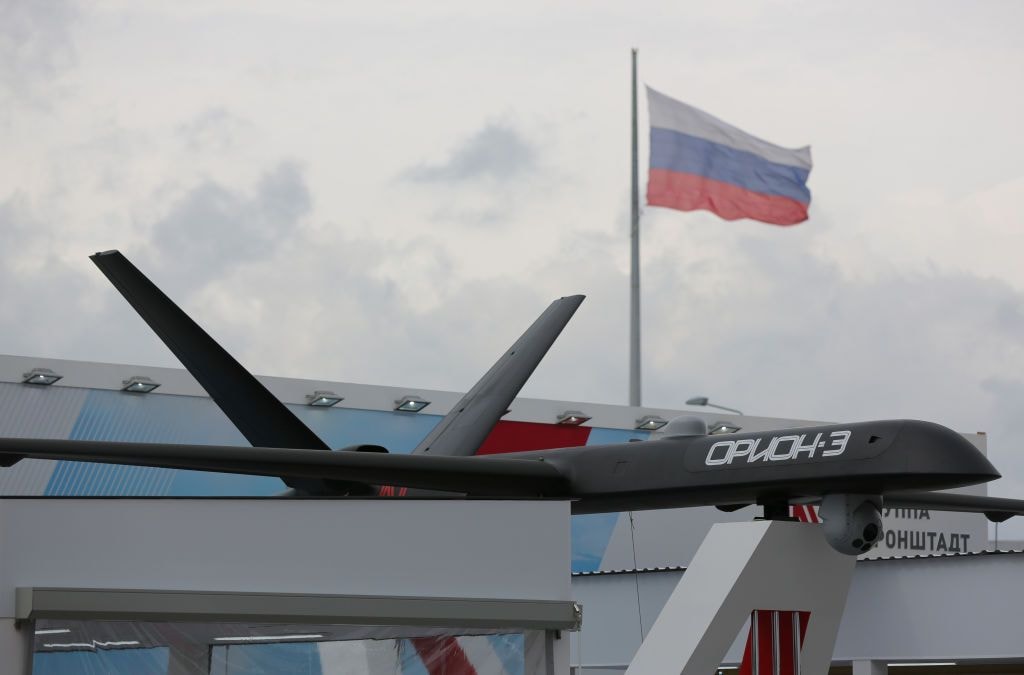
In their April 4 update, the General Staff reported that the strike completely destroyed one Orion drone system and damaged three others, resulting in several million dollars worth of damage.
Russia's Orion drone, a massive strike and reconnaissance UAV primarily used to patrol the high seas, can carry up to 200 kilograms of explosives. The drone's design serves as an approximate equivalent to the U.S. Reaper drone, with production costs estimated at upwards of $5 million.
The drone has a range of 250 kilometers (around 155 miles) and can stay in the air for up to 24 hours, flying at an altitude of up to 7.5 kilometers (4.6 miles), according to the General Staff.
The Orion was set to be Russia’s flagship unmanned vehicle until that position was usurped by the Iranian-designed Shaheds.
Kirovske airfield is regularly used to launch attacks against Ukrainian cities — and has been targeted in multiple Ukrainian strikes. Ukraine carries out ongoing strikes on military infrastructure in Russia and Russian-occupied Ukrainian territories in an effort to degrade Moscow's firepower.