Ukraine strikes Russian oil refinery in Yaroslavl
 on Google
Editor's note: This story was updated with additional details from Ukraine's Security Service (SBU).
Ukraine's military carried out an attack on the Russian city of Yaroslavl overnight on July 6, reportedly striking the city's oil refinery, Ukraine's Security Service (SBU) confirmed.
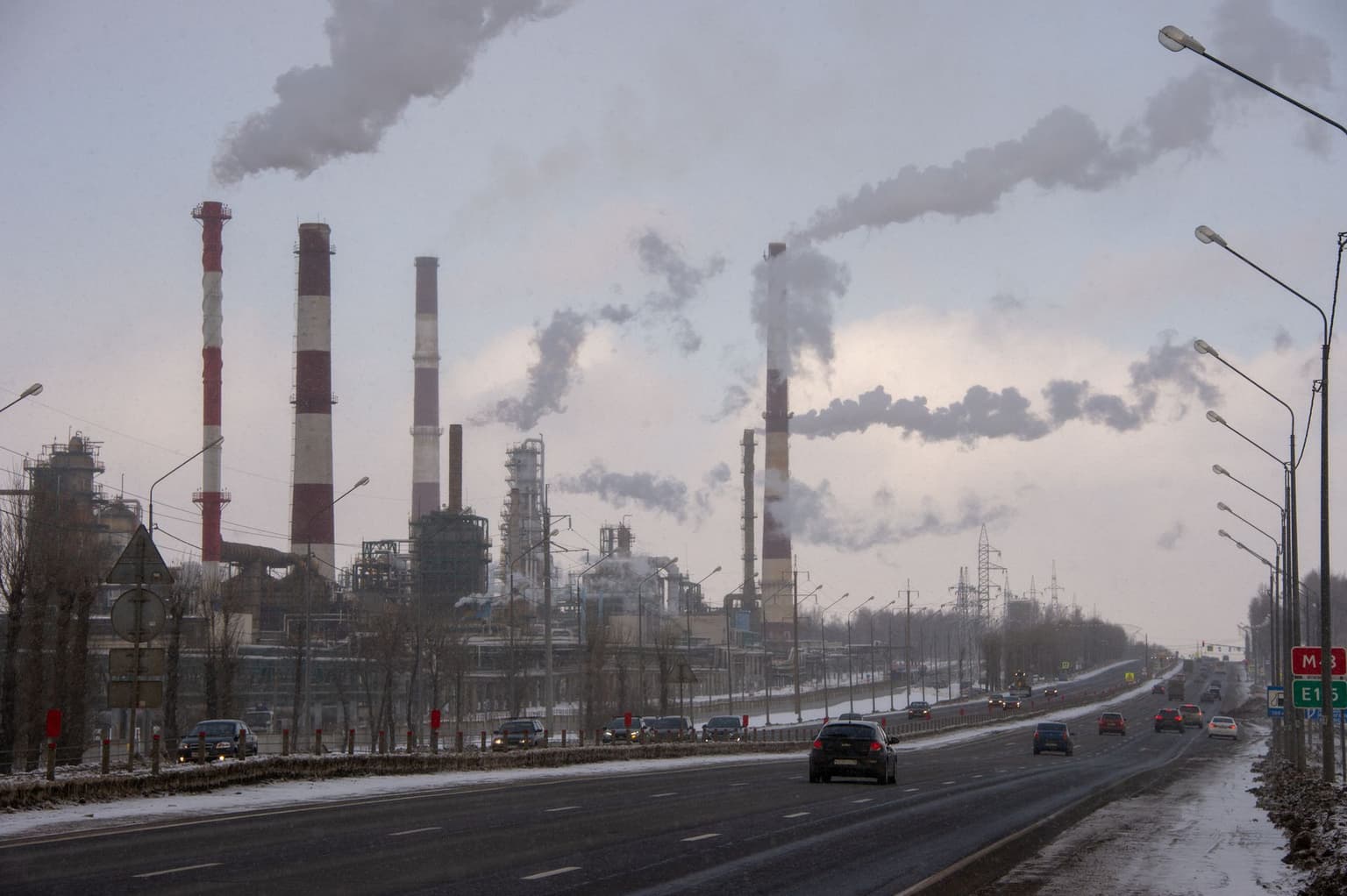
Drones struck the Yaroslavl oil refinery and the Yaroslavl oil pumping and dispatch station, with explosions and smoke reported near the refinery, according to the SBU.
Photos and videos first posted to social media by local residents purported to show smoke billowing out of the area of the oil refinery.
The extent of the damage caused was not immediately clear. Although it was not initially apparent as to what weaponry was used in the reported strike, Kyiv's forces often target oil refineries with domestically-produced long-range drones.
The Yaroslavl Oil Refinery, located approximately 250 kilometers (150 miles) northeast of Moscow and approximately 700 kilometers (435 miles) from Ukraine's border, has often been a target of Ukrainian attack. The most recent attack on the refinery occurred just one week prior, on June 28.
Kyiv considers energy facilities to be valid military targets, as the energy sites provide fuel and funding for the Kremlin's war machine.
Ukraine has been waging an increasingly successful deep strike campaign against Russian oil infrastructure, disrupting production at major facilities and in some cases halting operations indefinitely.
Ukraine's refinery attacks have mounted pressure on the Kremlin by aggravating a domestic fuel supply crisis that has already caused export bans, price hikes, and sales restrictions across Russia.
Russian President Vladimir Putin acknowledged the situation publicly in remarks on June 28, admitting that "there are still lines at gas stations, and the right grade of gasoline isn't always available."
In an attempt to mitigate the crisis, the Russian government on July 2 also passed a decree relaxing quality standards for gasoline products.