UK to participate in EU's 90 billion euro Ukraine loan
 on Google
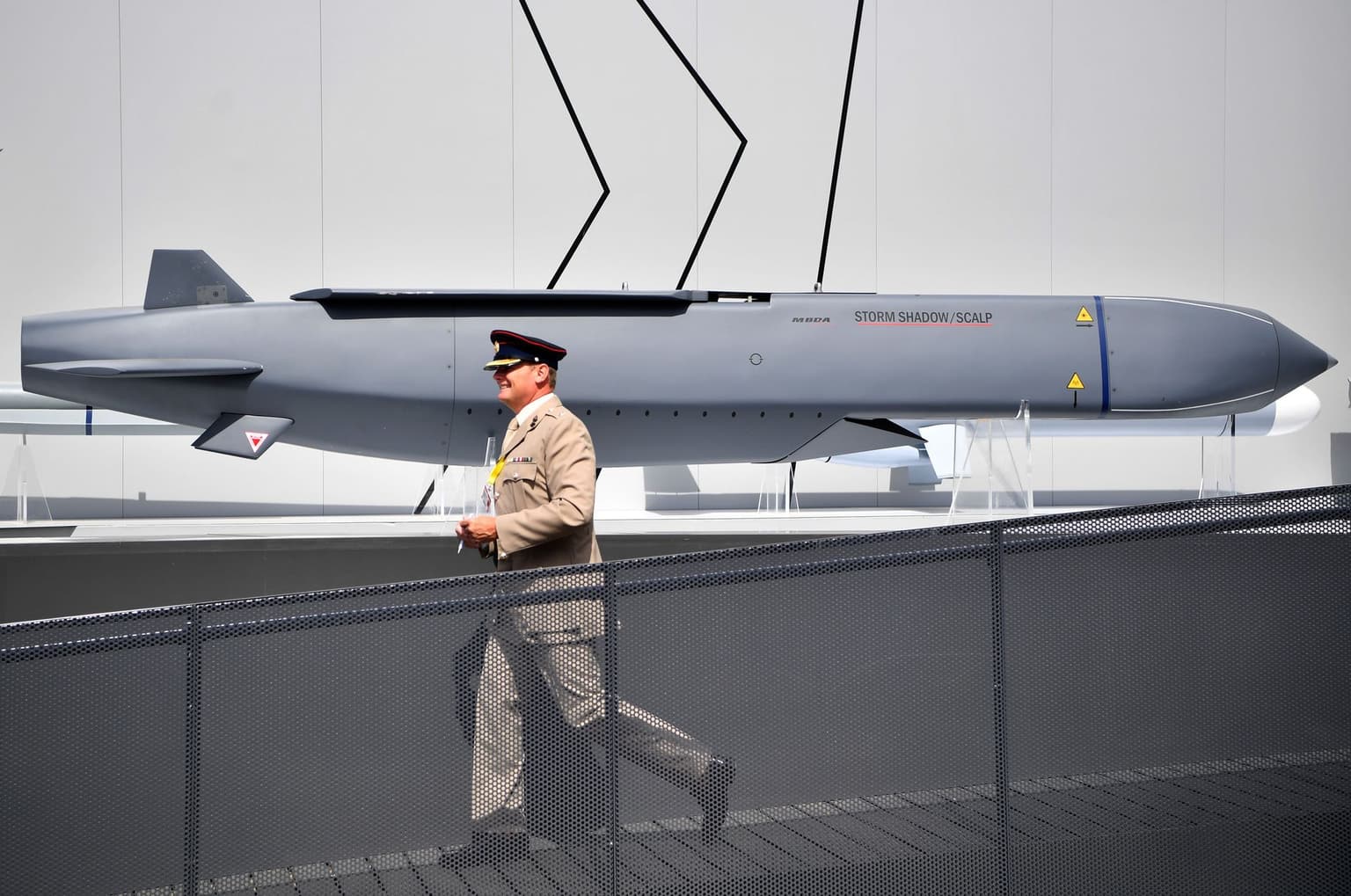
BRUSSELS, Belgium — The U.K. and the EU have reached an agreement on July 13 that will allow Ukraine to use its loan from the bloc to purchase defense equipment from British arms manufacturers on more favorable terms than other third countries.
In April, EU countries approved a 90 billion euro ($105 billion) support loan for Ukraine, designed to cover two-thirds of Kyiv's total needs until the end of 2027, with 60 billion euros ($68 billion) earmarked for buying defense products.
"This agreement will help ensure Ukraine gets the support it needs to defend itself against Russian aggression, while backing British defense companies, supporting skilled jobs and strengthening our national security," said British Prime Minister Keir Starmer on July 13.
Until now, the defense portion of the EU's loan to Ukraine is subject to a caveat that purchases must source 65% of the value of their components from EU, Ukrainian, or Norwegian defense manufacturers.
This rules out Ukraine splurging on products from third countries such as the U.S. and the U.K., unless Kyiv requests an exemption from the EU on the grounds that there is a timing bottleneck or a lack of viable alternatives. One exemption has been requested so far, for Chinese-sourced drone components, which was granted in April.
A U.K press statement explains that British defense companies will, with the new agreement, "be eligible to bid for procurement contracts funded by the loan, unblocking billions in potential investment."
In return, the U.K will make a financial contribution to the loan "proportionate to the value of contracts secured by British industry."
A previous attempt by the U.K. to join an EU defense financial instrument, the 150 billion euro (about $170 billion) SAFE defense loans program, fell apart over disagreements about whether the U.K. should contribute financially at all and, if so, by how much.
One diplomat familiar with the negotiations, which have been ongoing since May, told the Kyiv Independent on condition of anonymity, that the latest round of talks felt much better than those around SAFE at the end of 2025.
"We all learned some lessons on how to approach this. There was a lot of goodwill and appetite for a deal, after we were all a bit disappointed with how things ended up with SAFE," the diplomat said.
They explained that the new agreement foresees the U.K. paying a small administrative fee to participate in the Support Loan, just as it does for any other EU program.
On top of that, if no British company makes sales from the Ukraine loan, the British government would not make any financial contribution to the EU, but assuming that transactions take place, it will pay a proportionate amount to the interest payments charged to the bloc for servicing the loan.
EU officials could not be reached for comment on the arrangement by the time of publication.
But for the bloc, the biggest unknown regarding its loan to Ukraine remains how it will be repaid. Formally, it will be paid by Ukraine once Russia begins paying Kyiv reparations for the war.
One idea floated previously was to use Moscow's frozen assets, 185 billion euros ($210 billion) of which are held in Belgium, and which, despite many attempts, Russia has been unable to access.
The December 2025 push to directly convert these assets into financial support for Ukraine fell apart when Belgian Prime Minister Bart De Wever vetoed the idea.
Among his objections was that Belgium would be legally exposed if other holders of Russian assets did not synchronize their actions. The U.K. is among the top five holders of such assets, with $34 billion immobilized.
However, British diplomats could not comment on the question of frozen assets and EU diplomats could not be reached by the time of publication.
The U.K.-EU agreement has to be formally agreed by ministers from the 27 EU countries, which is expected to take place before the end of July.