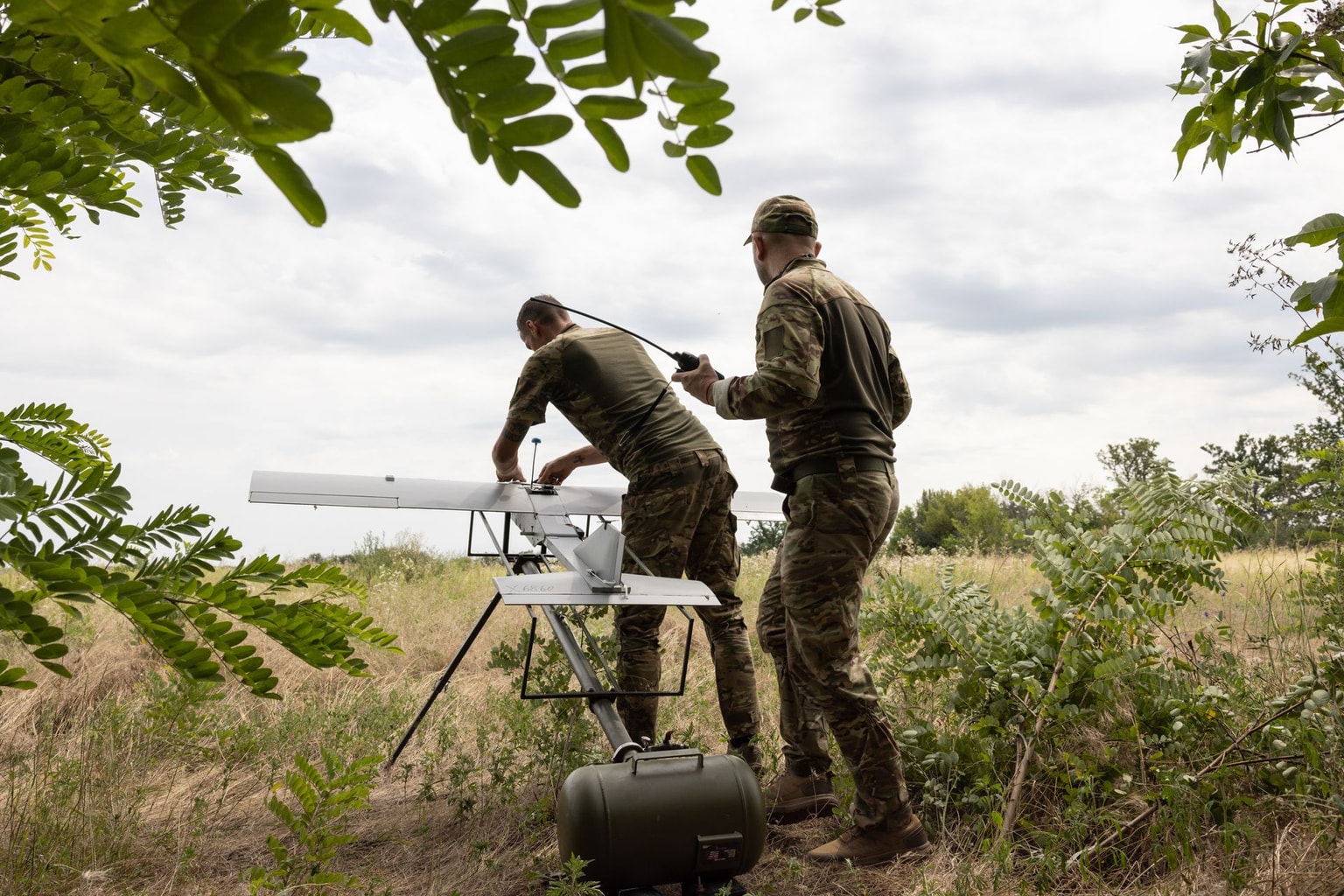
Russian authorities publish list of Tuapse shelters only after days of Ukrainian drone attacks
 on Google
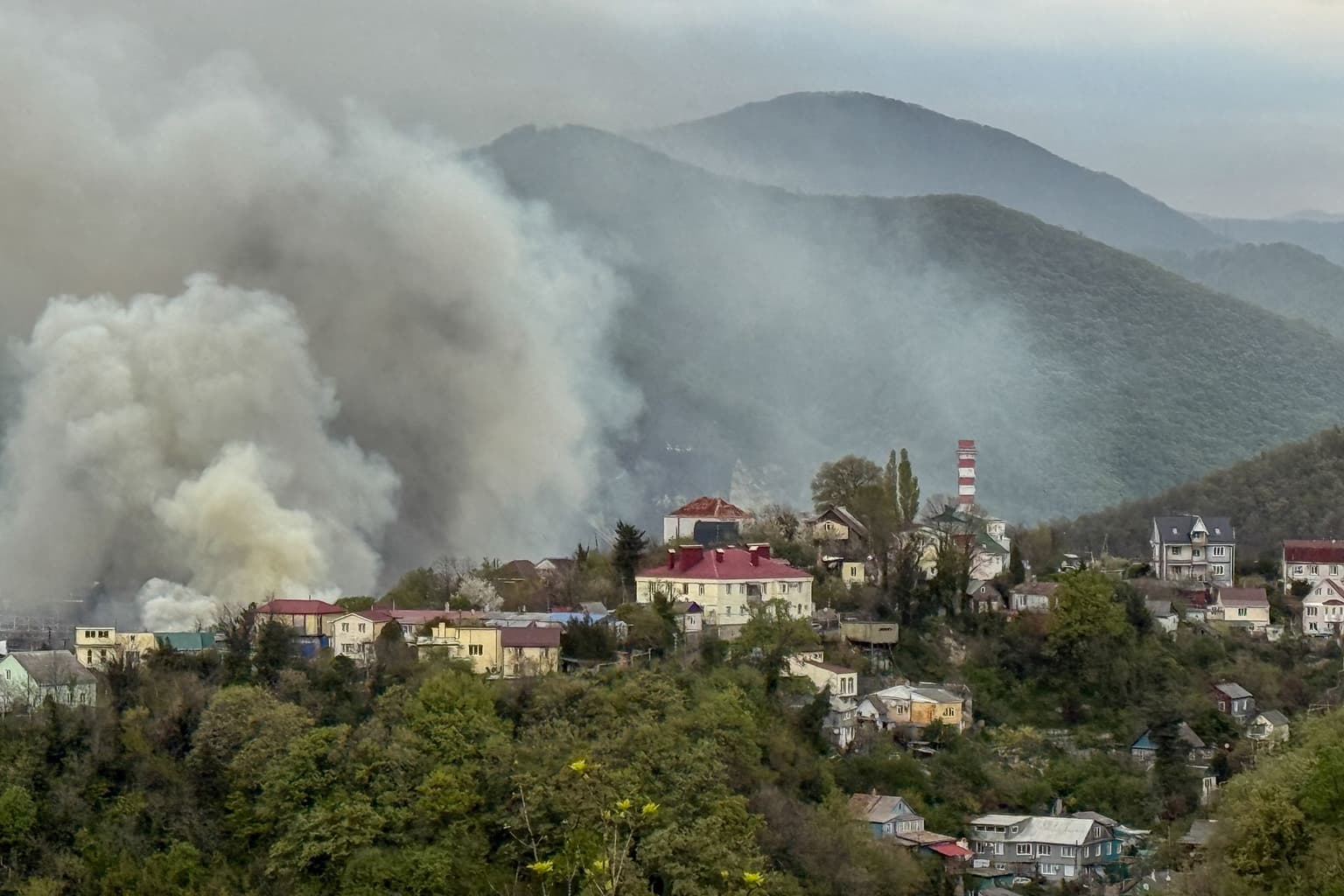
Local authorities in the municipality of Tuapse, Russia, have published an official list of bomb shelters for civilians for the first time, more than two weeks after Ukrainian drones began repeatedly targeting the area's oil infrastructure.
The list, posted without announcement on the municipality's website on May 4, is a spreadsheet showing the locations of 186 shelters, most of them in the basements of apartment buildings.
The shelters have a total capacity of about 38,600, compared with Tuapse's population of 61,000. Only one of the listed shelters is accessible to people with disabilities, according to the spreadsheet.
Some Russian cities closer to the border with Ukraine, such as the regional capital of Belgorod in southwestern Russia, have been under attack since 2023 and now have mobile concrete bomb shelters installed at street level.
Even far from the border, at distances of hundreds of kilometers, such measures are now becoming necessary due to Ukraine's expanding long-range strike capabilities.
Since April 16, Tuapse, a town in Russia's Krasnodar Krai and home to one of the largest oil refineries and export terminals on the Black Sea coast, has been systematically targeted by Ukrainian long-range drones.
The strikes are part of a broader campaign to disrupt Moscow's oil and gas revenues, a key source of funding for the Russian war machine.
Four large-scale attacks were recorded on Tuapse in quick succession, most recently on May 1, and previously on April 16, 20, and 28. After the third attack, a state of emergency was declared in the municipal district.
Russia's Emergency Situations Ministry said on April 29 that it had extinguished the fires in Tuapse caused by the wave of strikes. But just a day later, a fresh attack reignited the blaze at the facility.
The Tuapse oil refinery, located on the Black Sea coast in Krasnodar Krai, processes about 12 million tons of oil annually. Ukraine has waged a relentless strike campaign against the facility over the past two weeks, threatening the resort town at the start of the tourist season.
After the first strike, local emergency services managed to contain the fire and even fully extinguish it at the marine terminal, but it continued to burn at storage tank sites, intensifying with each subsequent attack.
The attacks have left dozens of the facility's storage tanks destroyed or damaged, while a crude oil processing facility was also hit.
The environmental fallout — including airborne petroleum byproducts and oil spills on city streets — has made the once attractive tourist destination unsafe for visitors, though Russian President Vladimir Putin has downplayed the threat to Tuapse.
According to data compiled by Bloomberg, Ukraine's strikes on Russian oil infrastructure reached a four-month high in April, with at least 21 attacks on refineries, pipelines, and oil assets at sea recorded.
The attacks reduced Russia's average refinery capacity to 4.69 million barrels per day, the lowest level since December 2009, Bloomberg reported.
Amid the uptick in Ukrainian drone attacks, Russia scaled back its Victory Day celebrations in Moscow and Putin proposed a temporary truce during the May 9 holiday. Ukraine has responded with its own proposal for a long-term ceasefire.