Slovakia to block EU loan to Ukraine if Orban loses Hungarian election, Fico says
 on Google
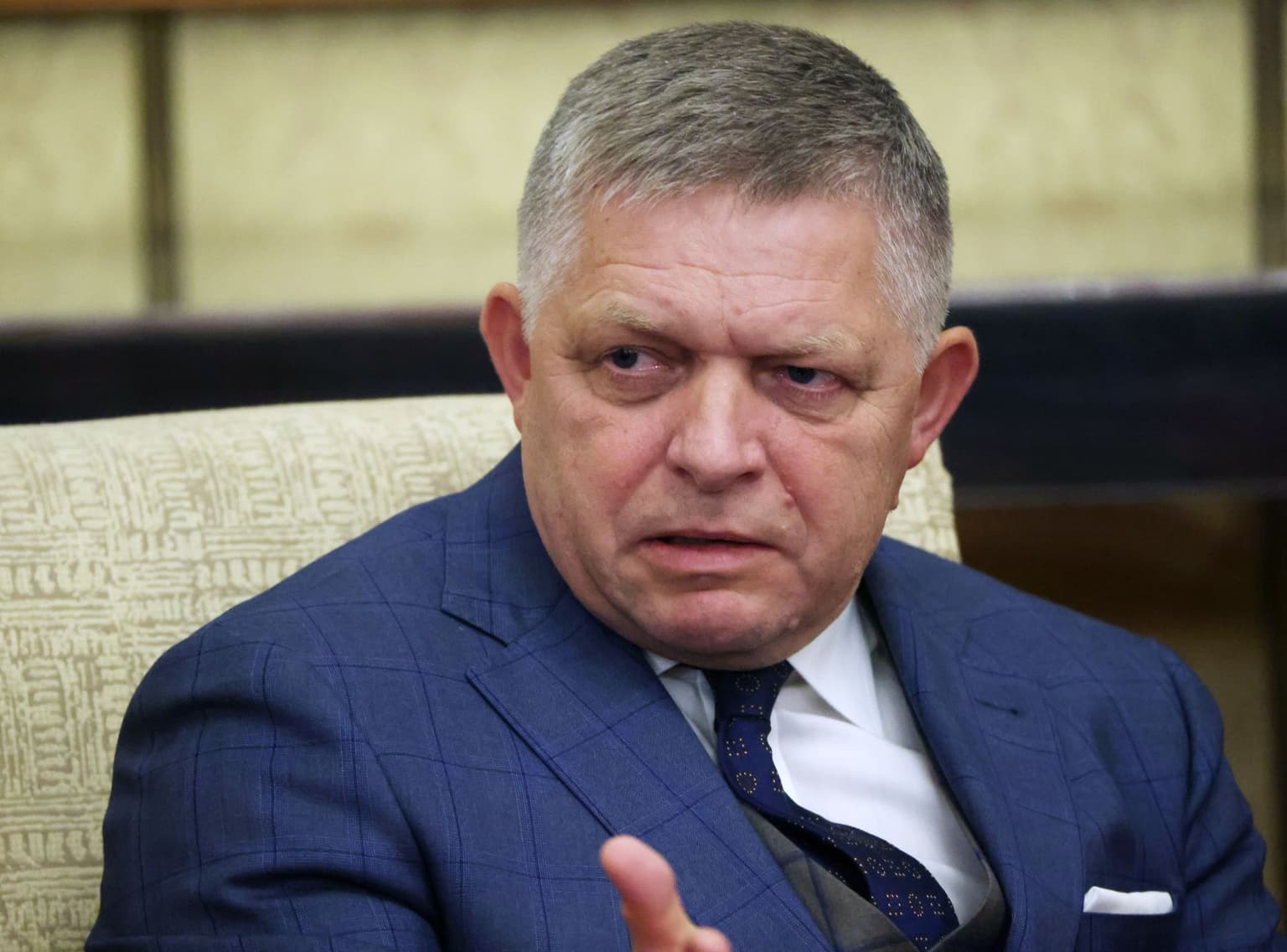
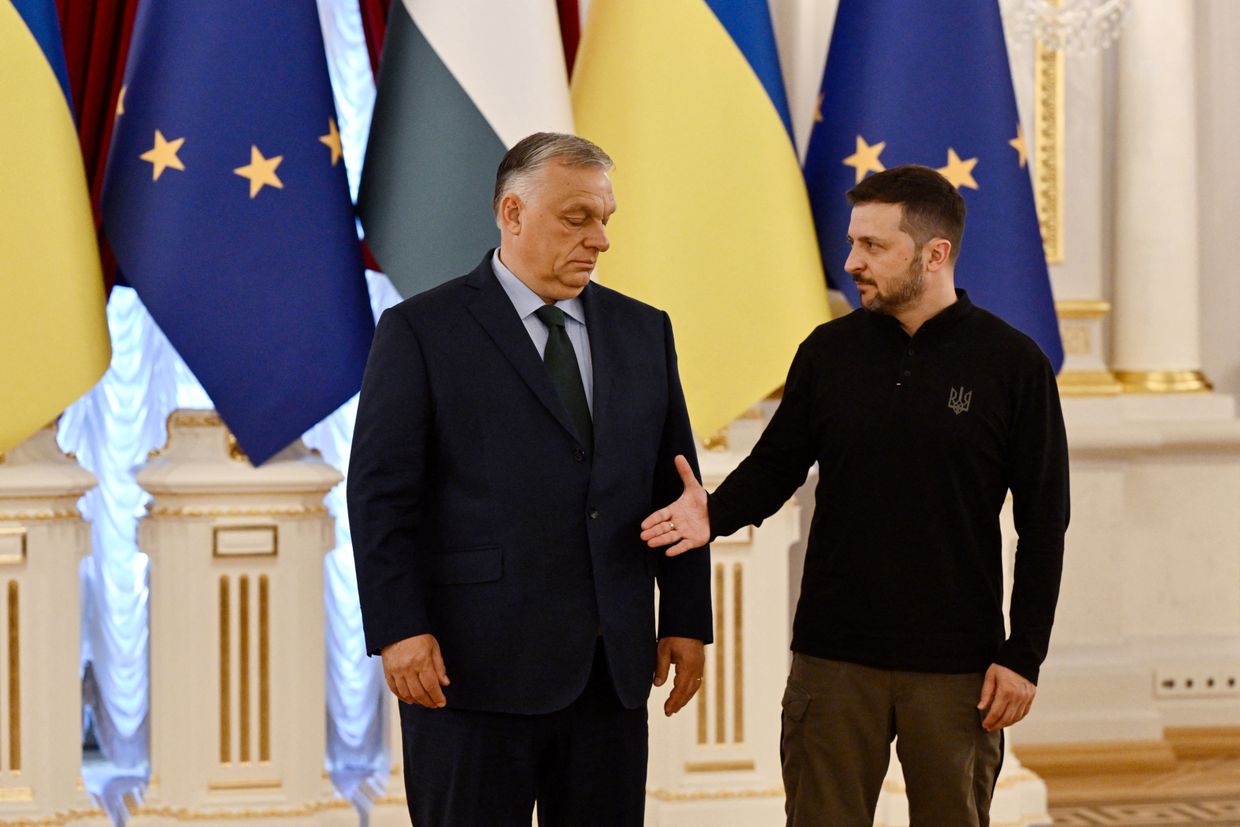
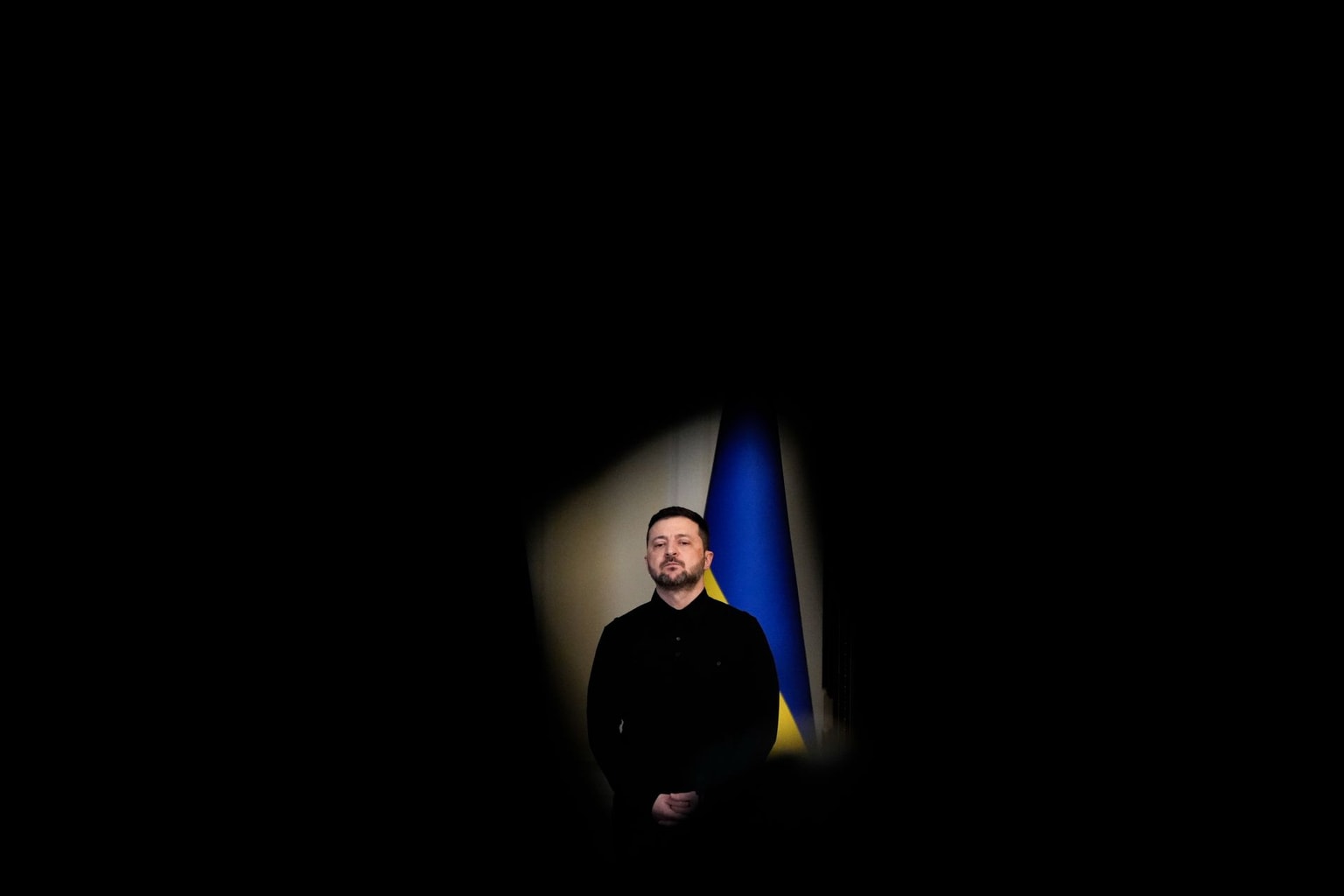
Slovakia will "take up the baton from Hungary" and block European Union funds to Ukraine if Hungarian Prime Minister Viktor Orban loses the upcoming election, Slovak Prime Minister Robert Fico said in a video address on March 8.
Hungary is currently blocking a 90-billion-euro ($105 billion) loan to Ukraine due to disputes over the Druzhba pipeline, which stopped transiting Russian oil in January. Slovakia and Hungary, the only EU countries still importing Russian crude through the system, have mounted an escalating pressure campaign against Kyiv in retaliation.
Fico said in a Facebook video that he plans to discuss the Druzhba pipeline at an upcoming meeting with European Commission President Ursula von der Leyen on March 10.
"On Tuesday morning, I will meet (von der Leyen) in Paris on this topic and ask her a simple question," Fico said. "How long will the European Commission prioritize the interests of Ukraine, as a non-EU member state, over the vital national issues of Slovakia and Hungary, as EU member states?"
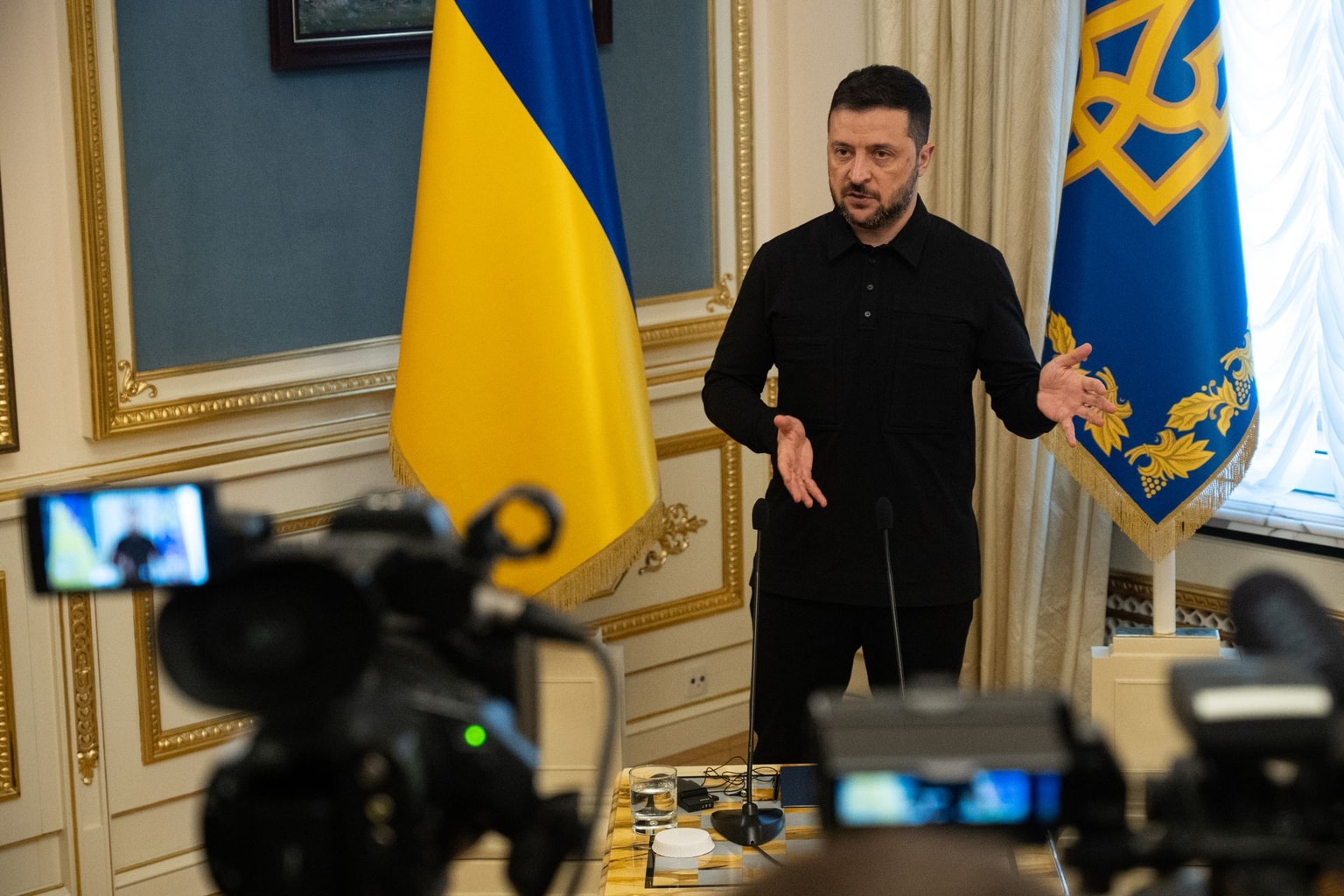
Bratislava will urge von der Leyen to pressure Ukrainian President Volodymyr Zelensky into allowing a visit to the pipeline, Fico said, repeating his recent claim that Slovakia has secret satellite images demonstrating that the Druzhba pipeline is still functional.
"The main message will be that Slovakia is ready to take over the baton from Hungary if necessary. For now, the 90 billion (euro) military loan for Ukraine is effectively blocked. But I am not naive," Fico continued.
"The Ukrainian president has recently been talking about resuming supplies in a month or a month and a half — that is, after the Hungarian elections, where he is counting on the victory of the opposition. Then there will be no chance of oil from the East, unless someone else takes over the baton from Hungary."
Hungary will hold parliamentary elections in April. Orban's Fidesz Party is currently trailing the opposition Tisza Party in the polls, leading Orban to adopt increasingly hostile rhetoric toward Ukraine and allegedly accept help from Russian election operatives.
The Hungarian government, broadly regarded as the most Kremlin-friendly in the EU, has maintained warm relations with Russia despite the full-scale war in Ukraine. Orban has repeatedly wielded Hungary's veto power in the EU to block sanctions against Moscow and delay aid to Kyiv, with the dispute over the Druzhba pipeline representing the latest flashpoint in Ukraine and Hungary's rocky relationship.
While Kyiv has said that the pipeline requires repairs due to a Russian attack in western Ukraine in late January, Slovakia and Hungary have accused the Ukrainian government of deliberately withholding the supplies.
Both countries halted diesel exports to Ukraine in retaliation, and Orban has further threatened to "break" what he describes as a Ukrainian oil blockade "by force."
Budapest announced on Feb. 20 that it would block the EU's Ukraine Support Loan until Russian oil flows to Hungary via the Druzhba pipeline were restored. The 90-billion-euro loan, preliminarily approved in December 2025, covers two-thirds of Ukraine's needs for 2026–2027.
The loan earmarks 30 billion euros ($36 billion) for budget support and 60 billion euros ($71 billion) for military needs. Without these funds, Ukraine risks running out of cash by mid-2026.
In his March 8 speech, Fico referred to the funds as a "war loan" and a "gift" to Ukraine — even though Slovakia, along with Hungary and Czechia, opted not to contribute to or back the loan. The loan was approved under the European Parliament's enhanced cooperation procedure, which does not require unanimity.
Releasing the funds to Ukraine, however, requires formal approval from the European Council.
"Blocking this huge military gift to Ukraine is a legitimate tool to achieve the restoration of oil supplies," Fico said.
read also
 Sonya Bandouil
 Lucy Pakhnyuk
 Martin Fornusek