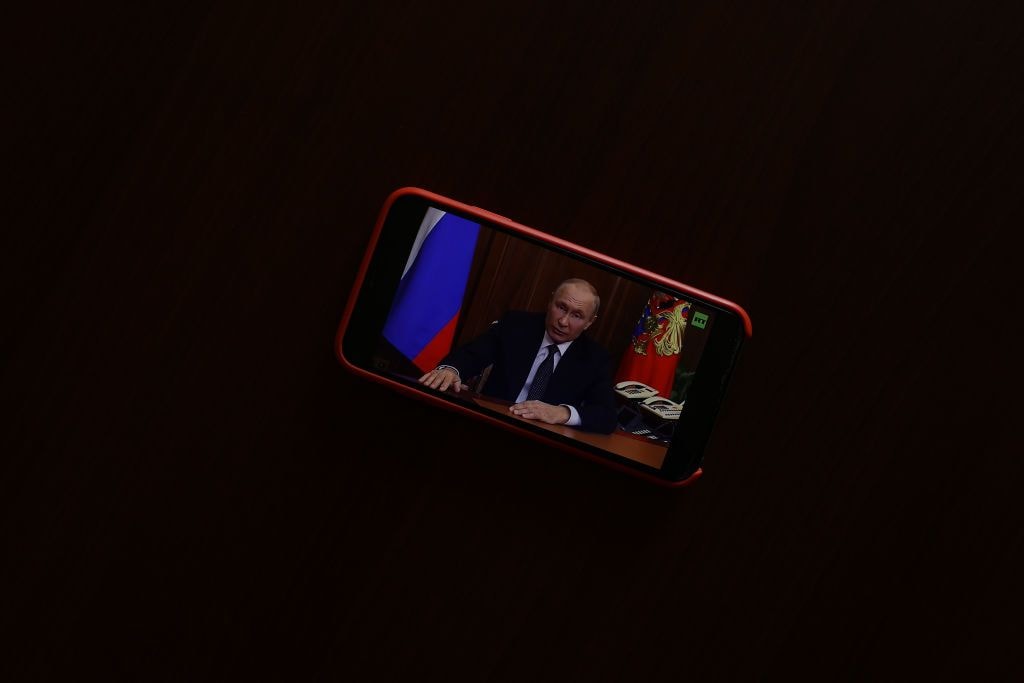
'Do not deprive us' — Russian soldiers, milbloggers furious at Putin over Telegram ban
 on Google
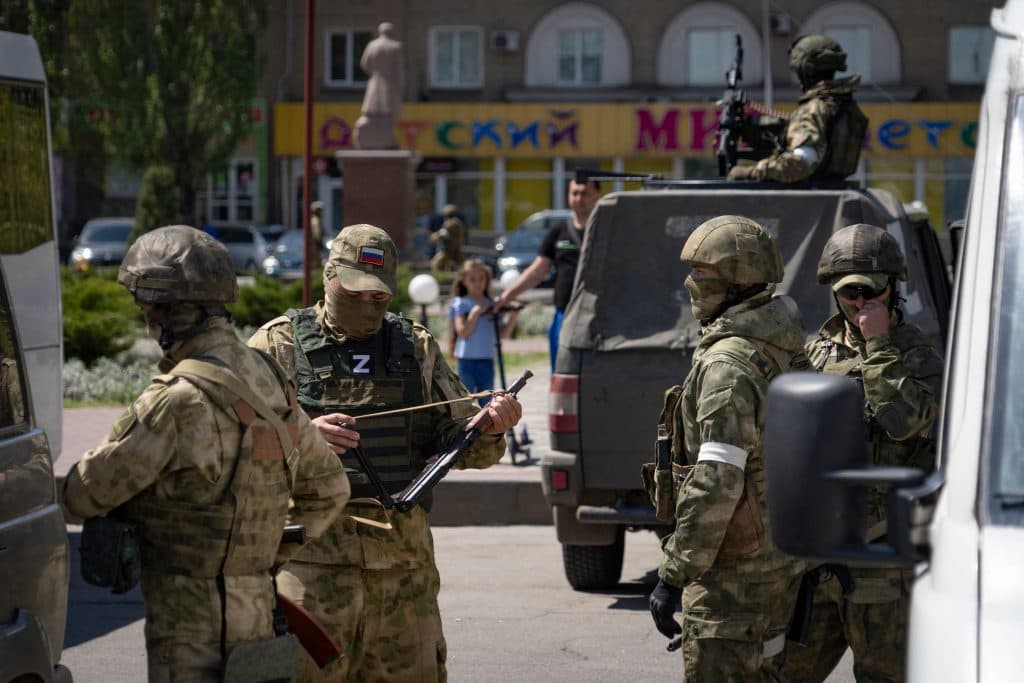
Russian soldiers and pro-war commentators have erupted in anger after the Kremlin moved to slow down and restrict Telegram, warning that the decision could undermine frontline operations in Moscow's war against Ukraine.
Russia's communications regulator, Roskomnadzor, said o Feb. 10 it would continue introducing restrictions on the messaging app as part of the Kremlin's broader campaign to tighten control over the country's information space. The move follows earlier limits on Telegram and WhatsApp calls, part of a long-running effort by Russian President Vladimir Putin to assert greater control over digital communications.
But for many Russian troops fighting in Ukraine, Telegram is not just a social network — it is a core operational tool.
"The front is in shock. Starlinks are gone, now they're jamming Telegram too. How are we supposed to fight? With carrier pigeons?" one soldier wrote in a message circulating on pro-war channels.
Russian troops have already complained bitterly about the loss of Starlink internet access across the front line. The disruption came after Ukraine's defense officials said the first steps to block Russia from using the satellite service had delivered results.
In video appeals shared by the Russian monitoring channel Lpr 1, three servicemen directly addressed Roskomnadzor, pleading with authorities not to interfere with the app.
"I'm addressing Roskomnadzor. My call sign is DJ. I'm currently on combat duty. Telegram is our only channel of communication. Do not deprive us of it," one soldier said.
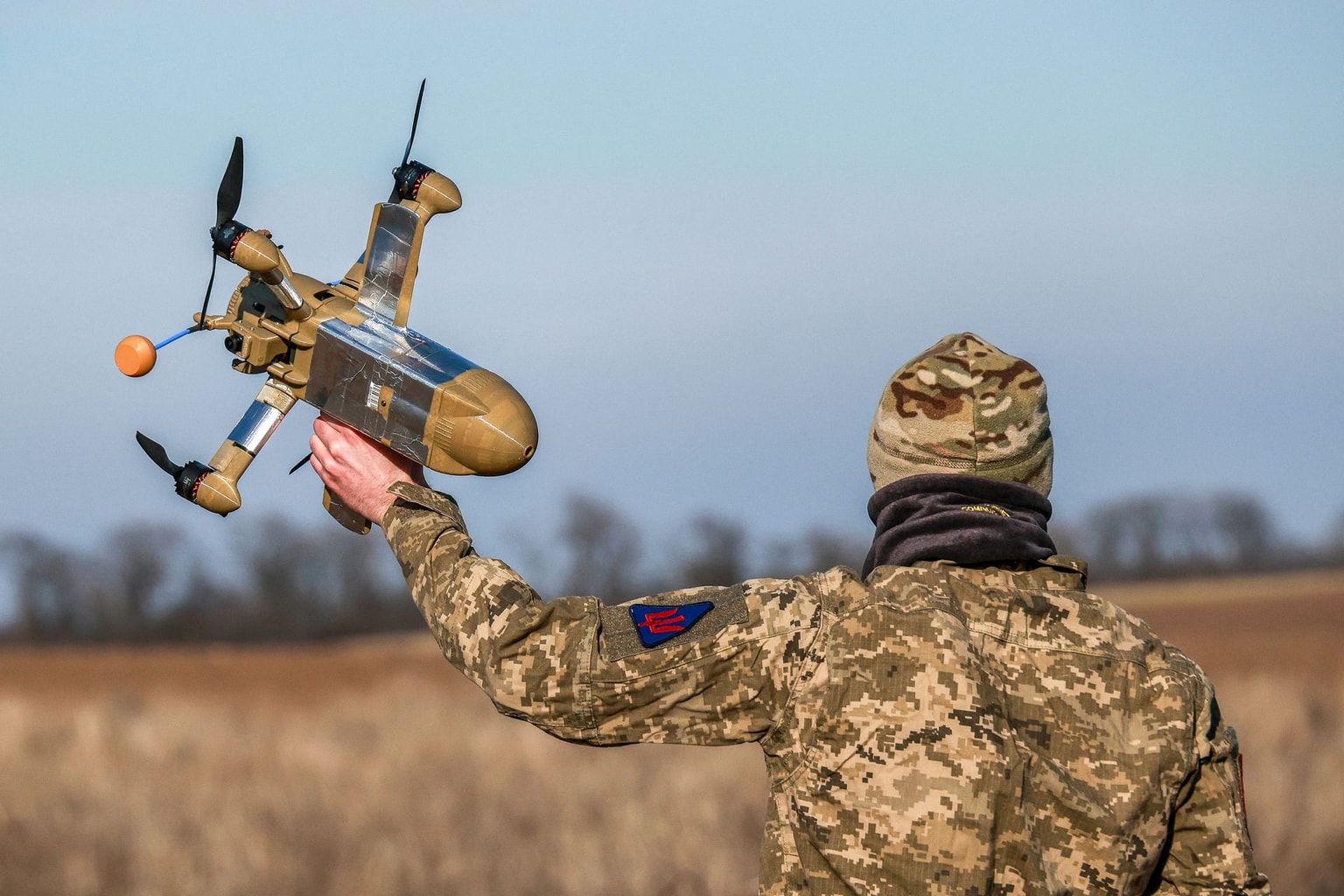
Another serviceman warned that Telegram is crucial for responding to Ukrainian drone strikes.
"At the moment we need a tool like Telegram. Don't slow it down, don't block it. It allows us to exchange information quickly in order to intercept drones," he said.
A third fighter from the Albatros anti-drone unit warned that restricting Telegram would reduce the effectiveness of Russian forces, particularly in newly occupied territories, saying it would lead to a drop in their ability to counter UAVs.
The backlash highlights how deeply Russia's own war machine has come to rely on the very platform the Kremlin is now targeting as it expands its grip over the internet.
Anger quickly spread across Russia's so-called Z-community — a loose network of pro-war nationalist bloggers who have consistently supported Moscow's invasion of Ukraine.
Nationalist commentator Yegor Kholmogorov reacted with a homophobic slur directed at the authorities.
Other pro-war figures expressed anger in ways that also reflected continued hostility toward Ukrainians. The military-linked channel Fighterbomber wrote:
"Unfortunately, we can’t cut off Starlink for the 'khokhly' (a derogatory slur for Ukrainians). But we can cut off Telegram for Russians. And if we can, why not?"
The pro-war group DShRG Rusich called the decision "another stupidity of 'let's just ban everything,'" warning it would only generate public irritation.
Even regional officials expressed unease. Vyacheslav Gladkov, governor of Russia's Belgorod region bordering Ukraine, said slowing Telegram could disrupt the flow of urgent security information to residents in what he described as a frontline region. He urged citizens to register on the state-backed messenger MAX — a platform widely seen as part of the Kremlin's push to steer users toward government-controlled alternatives.
At the same time, pro-Kremlin figures sought to deflect blame. State TV host Boris Korchevnikov accused Telegram founder Pavel Durov of hiding behind "freedom of speech" rhetoric instead of preventing the platform from being used to spread what he described as hostile narratives.
Durov responded separately that restricting citizens' freedoms is never the right solution.
Roskomnadzor has said it will continue introducing restrictions.
The episode underscores the contradictions inside Putin's wartime system — while the Kremlin tightens its authoritarian control over the internet, even its most loyal war supporters are warning that those measures could weaken Russia's own battlefield coordination.