Russia claims Ukrainian Neptune missile downed over Black Sea
 on Google

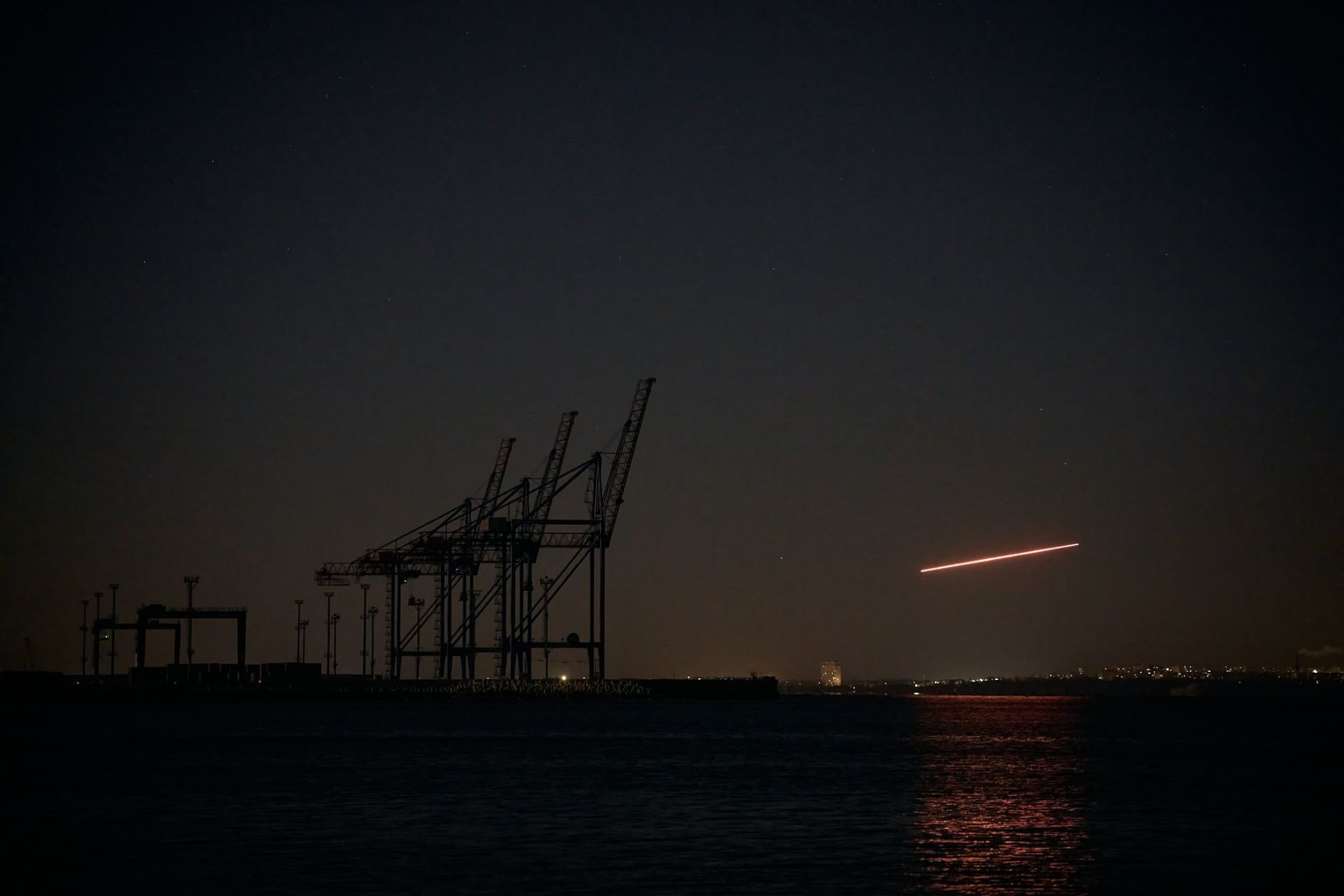
The Russian Defense Ministry claimed its forces shot down a Ukrainian Neptune anti-ship missile over the Black Sea on Nov. 9. Kyiv hasn’t commented on the allegation.
The missile was purportedly downed near the coast of the Russian-occupied Crimea at around 5:40 p.m. Moscow time, according to the ministry.
A “powerful” explosion was heard in the Crimean port city of Sevastopol, Ukrainian news outlet Suspilne Crimea reported, citing a resident.
Following the explosion, Mikhail Razvozhaev, the head of Sevastopol's illegal Russian occupation government, said that the military had destroyed an aerial target.
These claims couldn’t be independently verified.
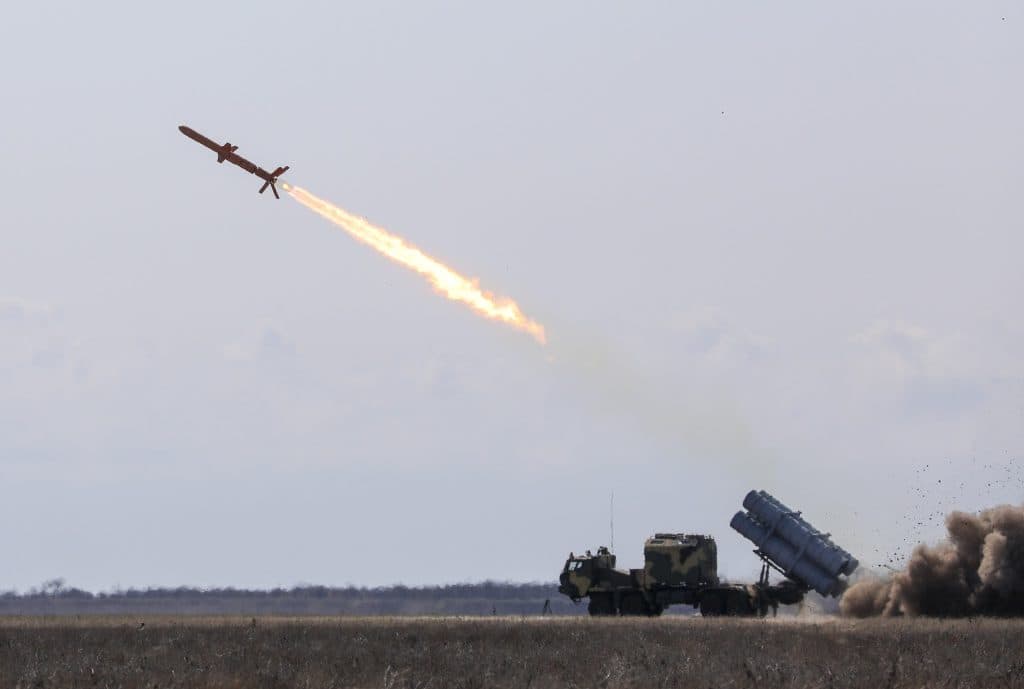
Neptune is Ukraine’s ground-launched, domestically produced anti-ship rocket with a maximum range of 300 kilometers.
Ukrainian forces reportedly used Neptune missiles to destroy a Russian S-400 Triumph air defense system on Sept. 14 and sink Russia’s Black Sea flagship Moskva in April last year.
Ukraine has made “huge gains” in destroying Russian military assets in Crimea, National Security and Defense Council Secretary Oleksii Danilov said on Nov. 8, referring to a recent series of successful strikes on the occupied peninsula.
Earlier this month, Ukrainian officials confirmed the destruction of a newly built Russian cruise missile vessel in Kerch.