Ukraine pushes Russia toward 'airport ceasefire,' but questions remain
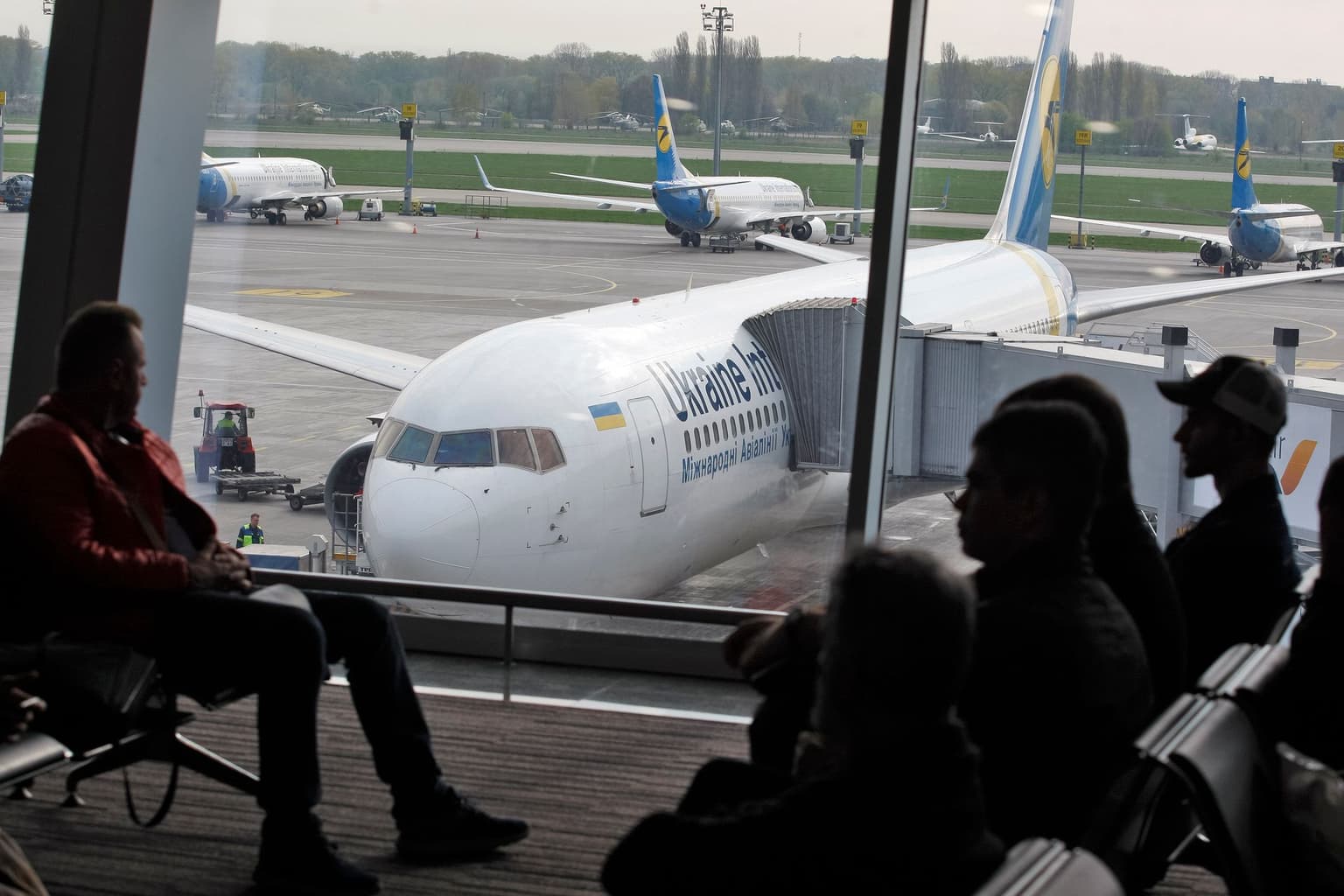
Passengers wait at the Boryspil International Airport near Kyiv, Ukraine, on April 25, 2018. (STR / NurPhoto / Getty Images)
 on Google
Using deep strikes not only militarily but also as leverage in negotiations, Kyiv is now proposing an "airport ceasefire" with Russia.
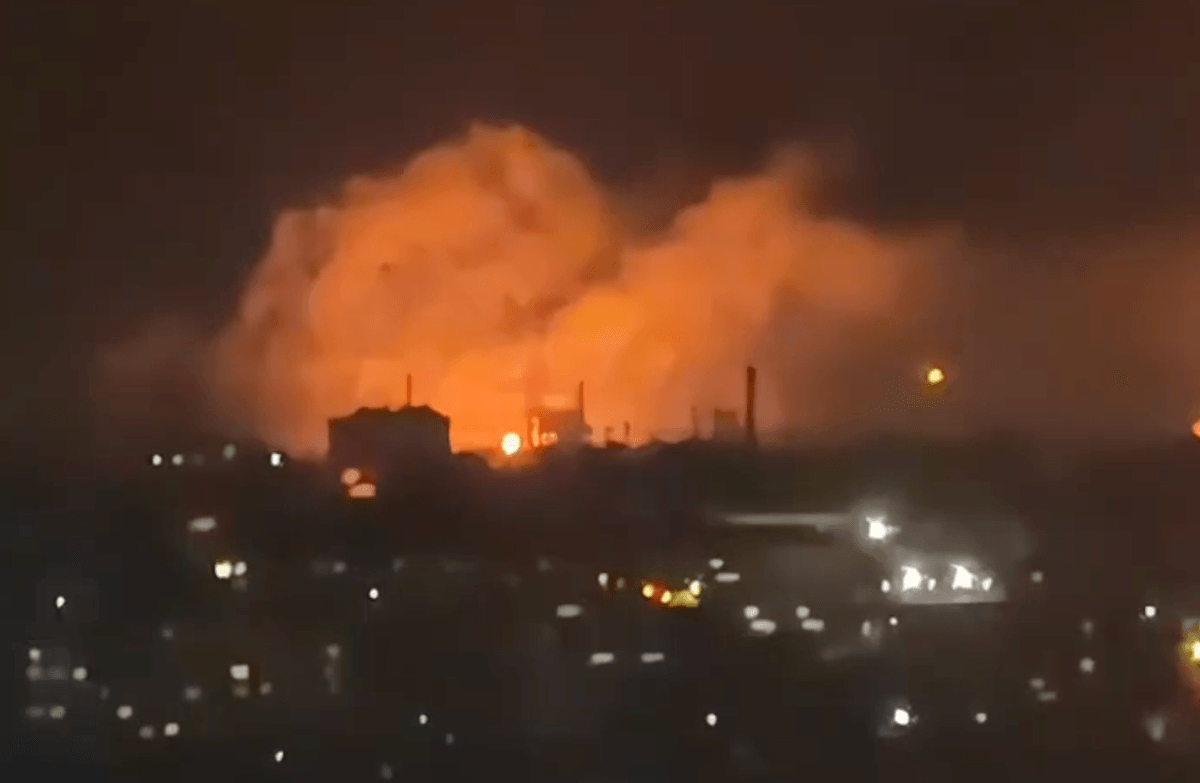
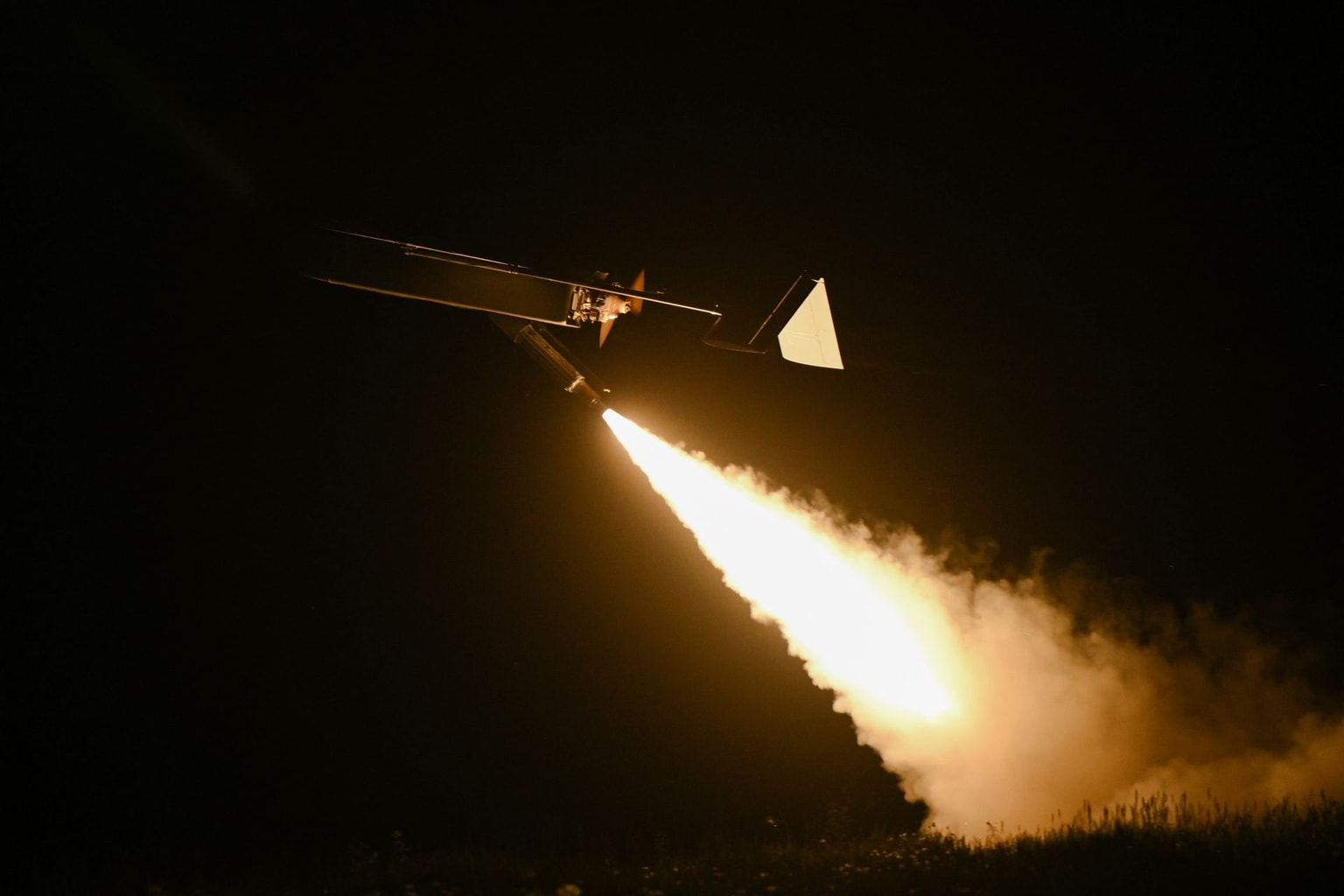
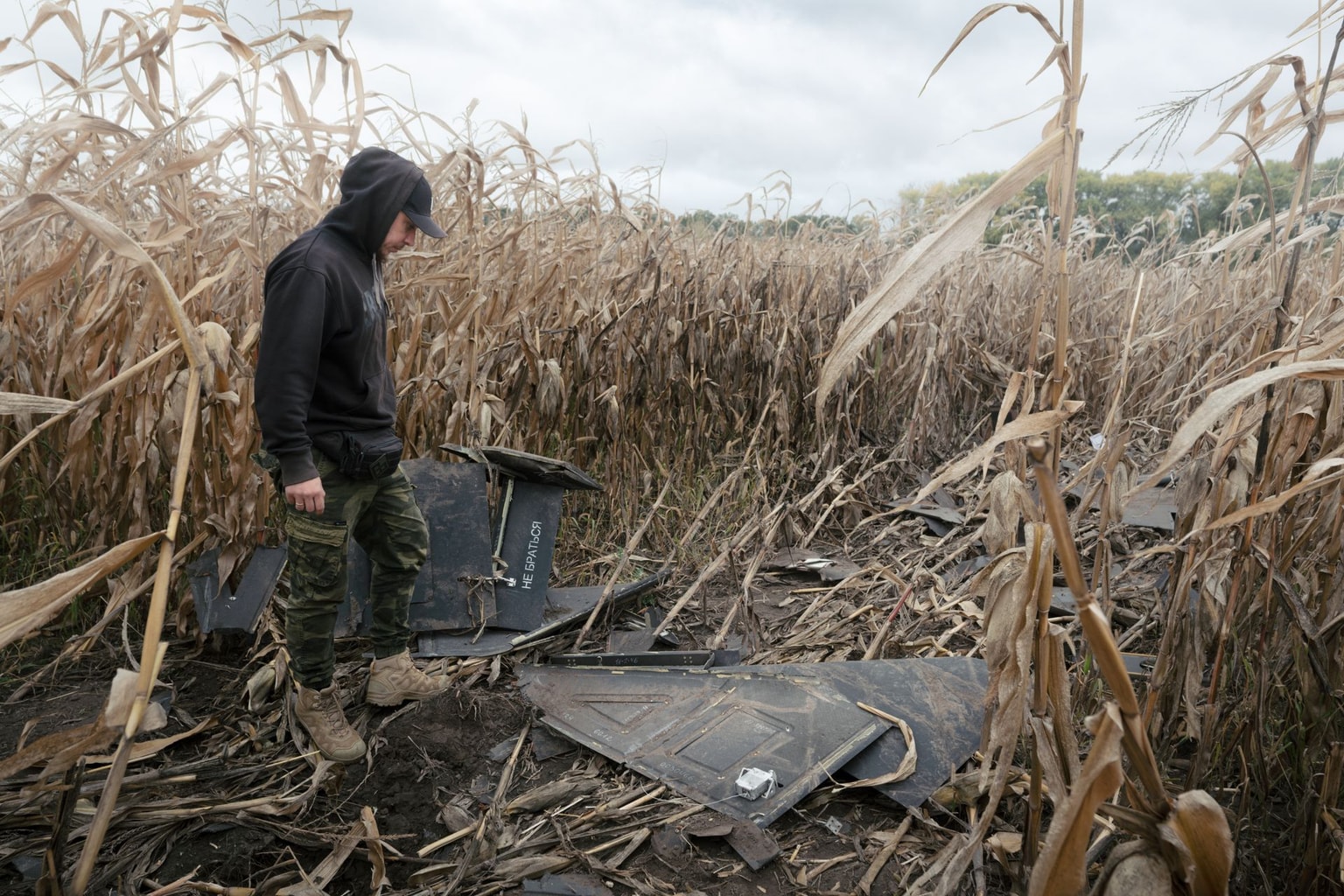
The proposal comes as Ukrainian long-range drone attacks continue to disrupt Russian air traffic. On May 8, a Ukrainian strike in Russia’s Rostov region damaged a regional air traffic control center coordinating flights across southern Russia, affecting operations at 13 airports and affecting around 200 flights.
The disruption was significant enough for Russian President Vladimir Putin to publicly address it the same day.
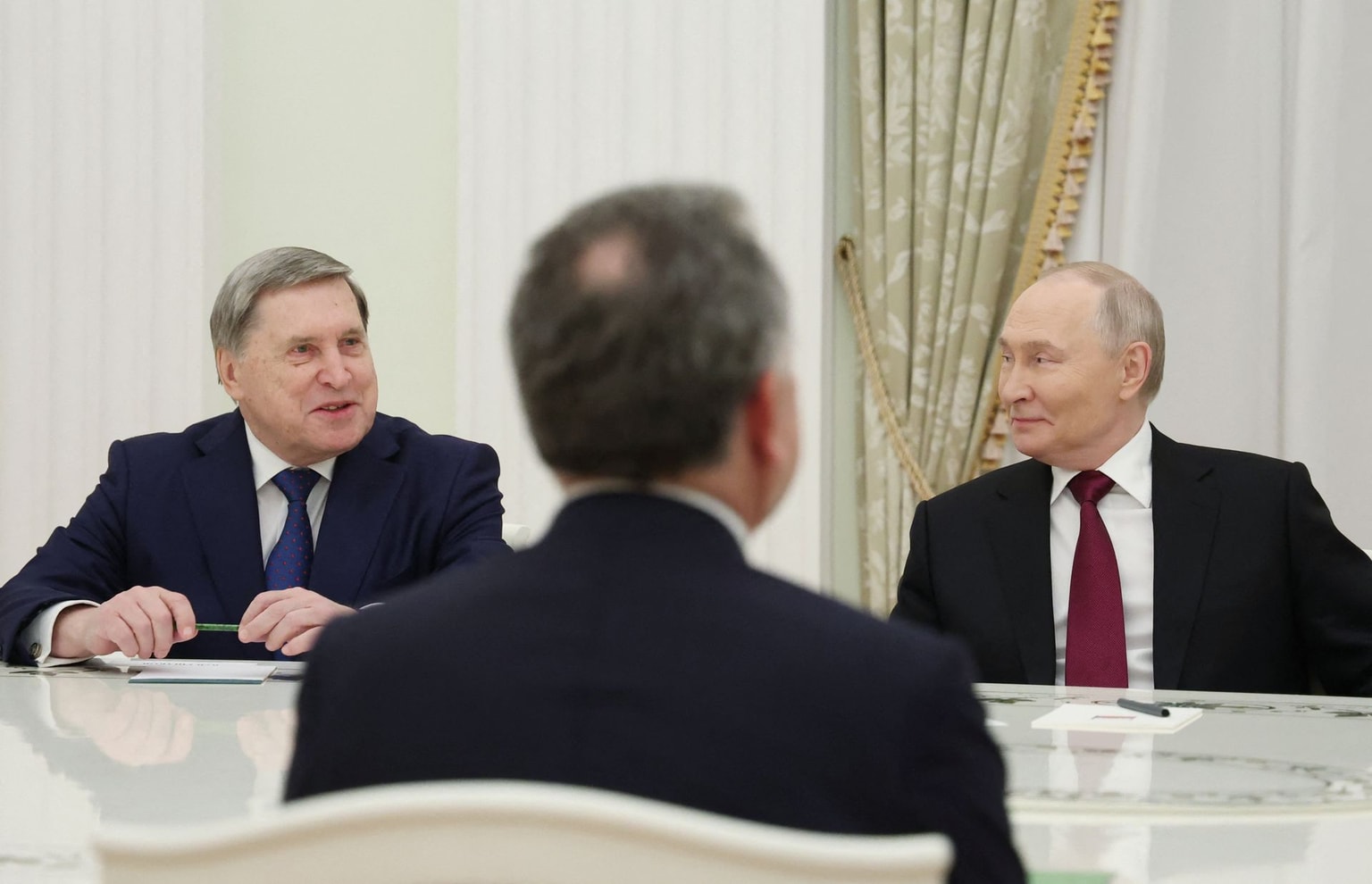
"We will discuss several issues. The first and main one is the event that happened this morning. The Kyiv regime carried out yet another terrorist act," Putin said during a Security Council meeting following the strike.

Analysts say the incident may have given the Kremlin stronger incentives to discuss the possibility of an airport ceasefire.
"Putin’s reaction shows that these strikes not only create substantial financial damage for Russian airlines, but also directly affect public approval of the Kremlin," Nazarii Barchuk, an analyst at the Ukrainian Center for Security and Cooperation, told the Kyiv Independent.
According to Barchuk, recent sociological research suggests drone attacks have become one of the top concerns among Russians, alongside growing interest in peace negotiations.
Still, despite the proposal, and signs Russia may be interested in it, major questions remain unanswered.
Ukraine’s airspace has remained closed since 2022. It remains unclear what exactly an "airport ceasefire" would include, how violations would be monitored, and whether any mechanism exists to make such an agreement enforceable.
The biggest challenge: trust and insurance
The central problem is not only whether Russia would agree to such a deal, but whether anyone would trust it enough to restore civilian flights, given that the Kremlin has repeatedly violated previous short ceasefires during the war.
"If we are talking about civilian aviation, then this is about insurance. Will insurers cover risks during wartime, even if Russia promises not to strike?" Oleksandr Merezhko, chair of Ukraine’s parliamentary foreign affairs committee, told the Kyiv Independent.
Merezhko said earlier discussions about reopening airports in western Ukraine, particularly in Lviv, stalled partly because insurers were unwilling to cover the risks of operating in a war zone.

Civil aviation also raises verification questions.
How would violations be monitored? What infrastructure would qualify as protected? Would cargo flights be included? And what mechanisms could prevent Russia from claiming civilian cargo has military purposes?
"I would like to hear specifics — implementation mechanisms, monitoring mechanisms but I don’t see them yet," Merezhko said.
Why Ukraine still wants it
Discussions about partially reopening civilian aviation have periodically resurfaced during the war, especially around airports in western Ukraine such as Lviv or Uzhhorod, as well as Boryspil near Kyiv.
According to Barchuk, reopening at least some international civilian air traffic could significantly ease pressure on Ukraine’s railway system, which has become the country’s main logistical artery since 2022.
Merezhko said even a limited reopening of flights would symbolize a partial return to normal life.
"When I travel abroad on business trips, I go by train. It takes two days to get there. At least one airport — theoretically, yes, it would be very important for us," Merezhko said.
How Ukraine is pushing Russia toward talks
The latest short-lived ceasefire, marked by repeated violations, was tied to Russia’s May 9 Victory Day celebrations and may have ultimately contributed to the Ukrainian strike on Rostov-on-Don.
Ahead of the holiday, Moscow announced a temporary ceasefire for May 8-9. Ukraine responded with its own proposal starting on May 6, but President Volodymyr Zelensky later accused Russia of violating it 1,820 times within hours while continuing attacks across Ukraine.

On May 7, Zelensky warned Kyiv would respond to repeated violations with "long-range sanctions." A day later came the Rostov strike, demonstrating exactly what that could look like.
"The radius of our drone operations is growing. This is a threat for them. Maybe against this background they will be more open to this idea," Merezhko said.
Barchuk said repeated airport disruptions could become especially sensitive for the Kremlin during the summer vacation season.
"Russian airlines have repeatedly had to reschedule flights because of drone threats in the airspace. If such a collapse happens during the holiday season, public dissatisfaction could spread widely and seriously damage the Russian authorities’ ratings," he said.