Russia bolsters 'shadow fleet' defenses at expense of front-line drone units, military says
 on Google

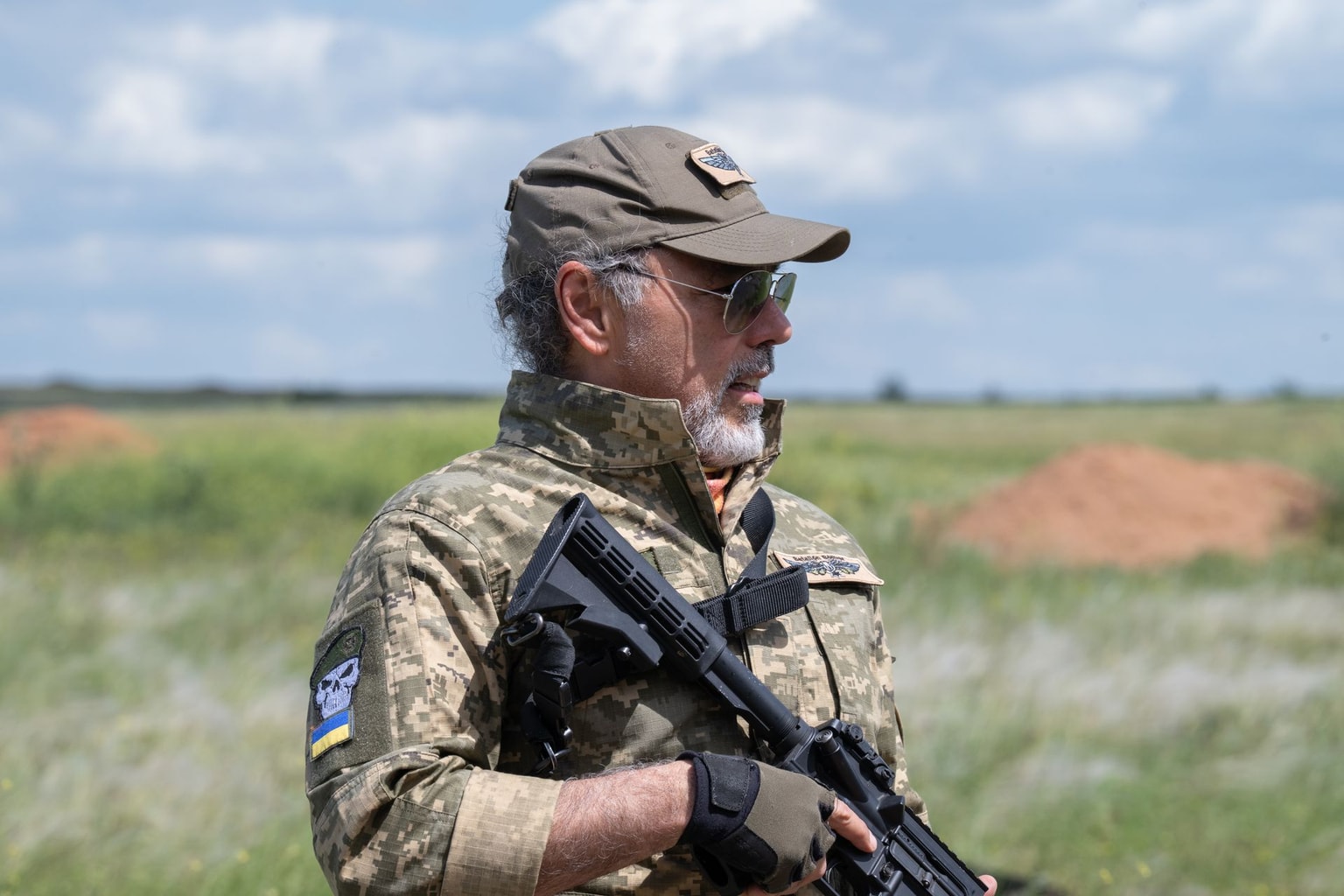
Russian forces are reallocating drone units away from the battlefield to protect their "shadow fleet," amid intensified attacks on vessels in the Black Sea and the Sea of Azov, Robert "Madyar" Brovdi, commander of Ukraine's Unmanned Systems Forces, said on July 18 on Facebook.
Ukrainian forces launched on July 6 an operation dubbed "MoLoCHKa," an acronym that translates from Ukrainian as "Moscow will fall because of Crimea," aimed at destroying Russia's "shadow fleet." Russia relies on a "shadow fleet" of mostly aging tankers operating under foreign flags to transport oil in an effort to bypass sanctions, embargoes, and the G7 price cap.
Russian forces have deployed up to 200 groups from the Rubicon unit, one of the most effective drone warfare units in the Russian army, Brovdi said.
The Ukrainian commander added that the deployment means each "shadow fleet" vessel will have an assigned group of soldiers tasked with its protection.
In addition to the Rubicon unit, which is being partially withdrawn from the front line, Russia has also deployed personnel and equipment from the 51st Air Defense Division, as well as from an anti-aircraft regiment of the Black Sea Fleet, according to Brovdi.
Ukrainian Unmanned Systems Forces units hit 172 Russian "shadow fleet" vessels in a 13-day operation, including tankers, dry cargo ships, ferries, floating cranes, and tugs, the commander added.
Ukrainian forces struck 13 more Russian vessels, including eight dry cargo ships, one oil tanker, one gas tanker, two floating cranes, and one tugboat over the past day. The oil tanker was hit in the Sea of Azov, while all other vessels were targeted in the Black Sea, Brovdi said on July 18.
Ukraine regularly targets Russian military infrastructure deep inside Russia and in occupied Ukrainian territories in an effort to weaken Moscow's ability to continue its war.
This summer, Ukraine also launched a campaign known as the "logistical lockdown," aimed at disrupting Russian military supply routes in occupied Ukrainian territories, including Crimea, which Russia has occupied since 2014.
Former Defense Minister Mykhailo Fedorov said in a June 17 interview with Pressing that Crimea could become "fully isolated" as a result of Ukrainian strikes, effectively turning the peninsula into "an island."
"Crimea is being isolated with the help of drones. And in the near future, it appears that Crimea will become an island. This could lead to very unexpected consequences for Russians," Fedorov said.