Iran 'will not negotiate,' official claims after Trump says Tehran agreed to new talks
 on Google
Editor's Note: This is a developing story.
Iran is not willing to negotiate with the U.S., Supreme National Security Council Secretary Ali Larijani claimed on March 2, after U.S. President Donald Trump said new negotiations would be held.
"We will not negotiate with the United States," the official said in a post to X.
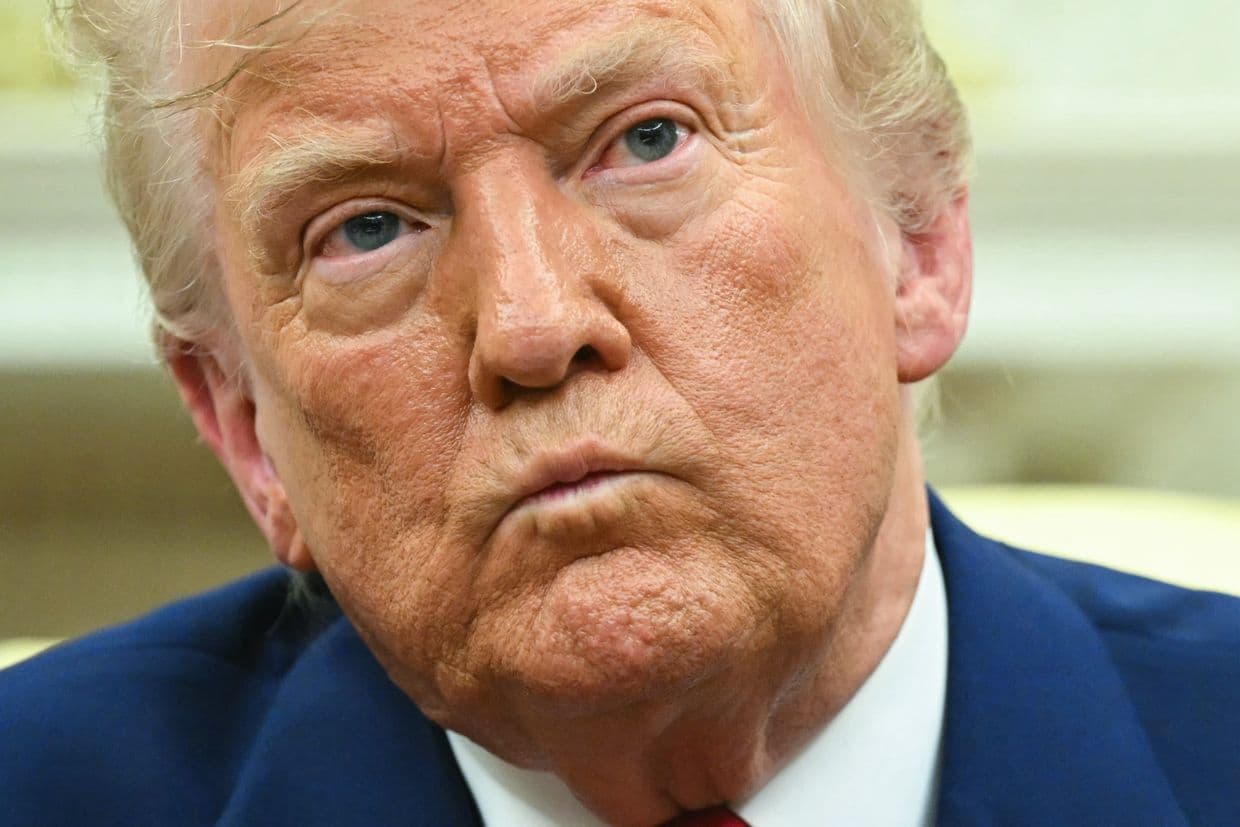
Trump told the Atlantic on March 1 that Iran's current leadership wants to hold new negotiations with the U.S. following a day of U.S.-Israel attacks and ensuing retaliatory strikes.
"They want to talk, and I have agreed to talk, so I will be talking to them," Trump said.
"They should have done it sooner. They should have given what was very practical and easy to do sooner. They waited too long."
Trump's comments come a day after the U.S. and Israel launched coordinated strikes against Iran, killing the country's Supreme Leader, Ayatollah Ali Khameini, and a number of other top officials. Tehran has retaliated with attacks on Israel and U.S. military bases in the region.
Trump did not tell the Atlantic when the talks would take place, and noted that some of the people involved in Iran's previous negotiations with the U.S. had been killed in the strikes. Trump separately told Fox News that the operation in Iran had killed 48 other senior officials.
Later in the day, Trump told NBC News that Iranian officials "are talking" with the U.S., though he provided no additional details. When asked whether the U.S. would stop attacking Iran if negotiations resumed, he said, "I don't know."
The U.S. would consider a ceasefire "if they can satisfy us," but so far "they haven't been able to."
Trump separately told the Daily Mail that the operation in Iran could last for four weeks.
"It's always been a four-week process," he said in a phone call. "We figured it will be four weeks or so."

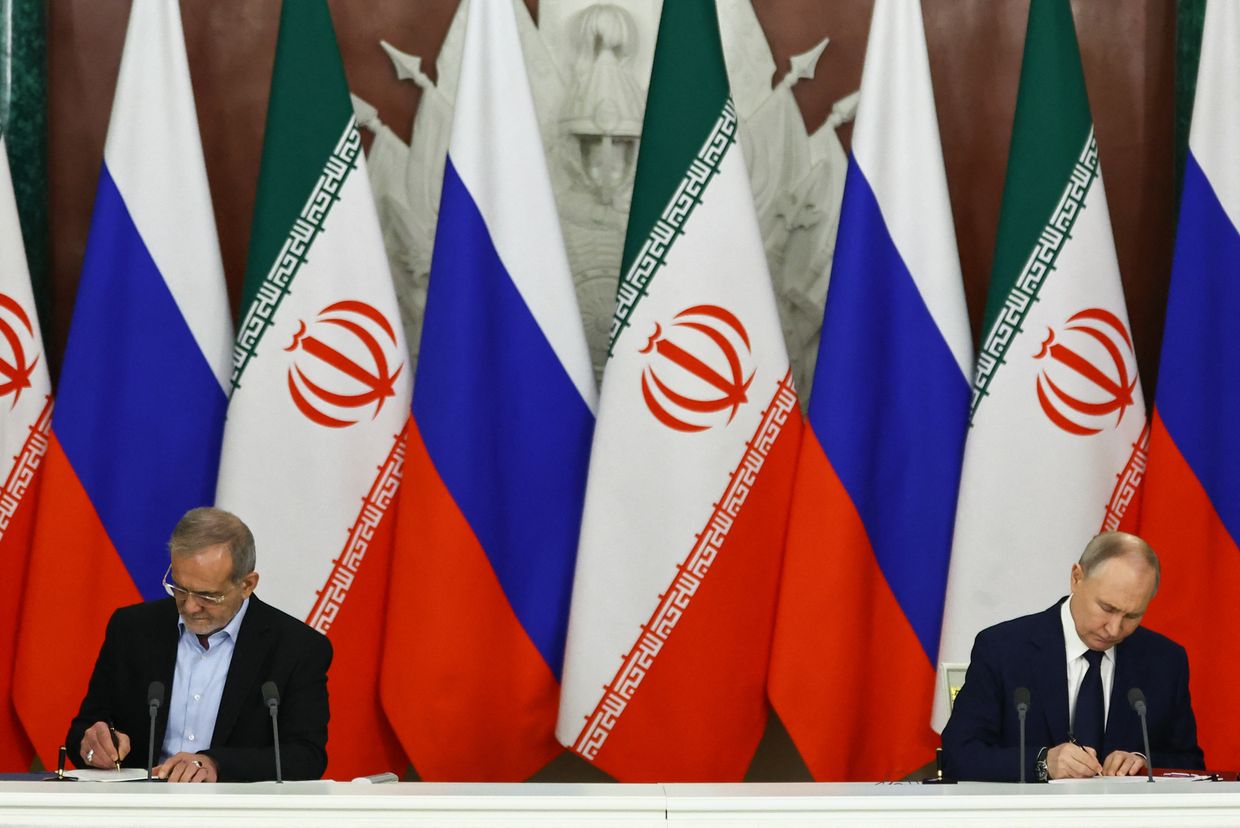
Iran on March 1 announced the formation of a new interim leadership council to govern the country in the wake of Khameini's death. The three-member council consists of Iranian President Masoud Pezeshkian, Supreme Court Chief Justice Gholam-Hossein Mohseni-Ejei, and Ayatollah Alireza Arafi.
The attacks on Iran followed a series of unsuccessful negotiations between Washington and Tehran on Iran's nuclear program. Shortly before the bombs fell, U.S. officials made unverified claims that Iran was developing a missile capable of reaching U.S. territory and possessed enough material to build a nuclear weapon within days.
Throughout the negotiations, Trump warned that the U.S. was prepared to attack Iran if a satisfactory deal was not reached.
Trump told NBC News on March 1 that the U.S. attacked because Iran refused to stop nuclear weapons development.
"They weren't willing to stop their nuclear research," he claimed. "They weren’t willing to say they will not have a nuclear weapon."
Iran's new invitation to talks comes after the U.S. has faced its first official casualties in the conflict, with three U.S. troops reported killed. Iran also claimed to have struck an American aircraft carrier, the USS Abraham Lincoln, with a ballistic missile — a claim the U.S. military has denied.
Trump told the Atlantic he was pleased to see Iranians celebrating Khameini's death both in Iran and in U.S. cities, though he made no mention of the antiwar protests that have also emerged in the wake of the bombing. He also appeared to affirm his earlier warnings that the attacks would continue.
"I think (Iran is) a very dangerous place right now," he said.
"The people over there are shouting in the streets with happiness, but at the same time, there are a lot of bombs coming down."