Belarus releases 25 political prisoners in exchange for US easing sanctions, Trump envoy says
 on Google

Editor's note: This article has been updated following the U.S. special envoy publicly commenting on the release of prisoners.
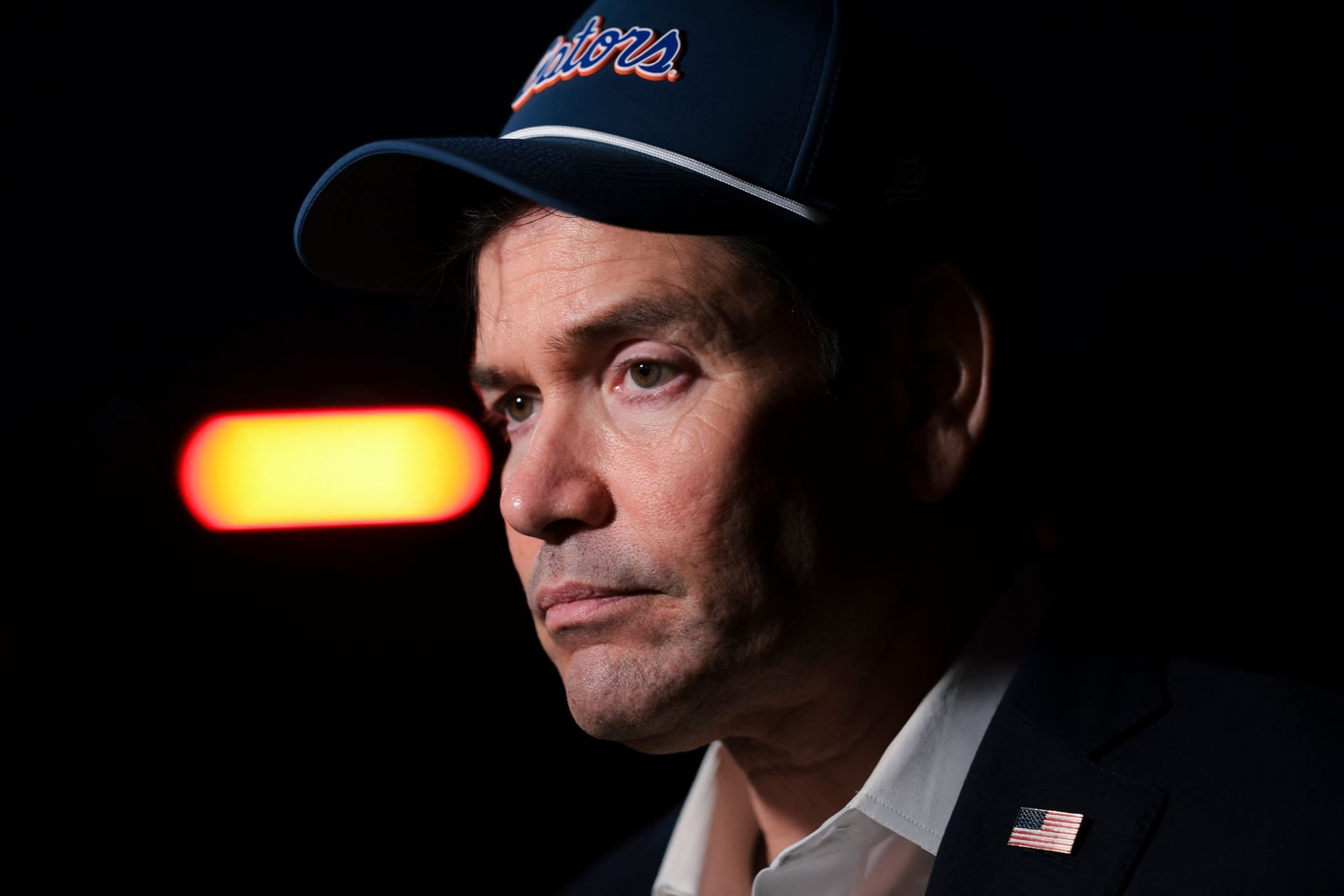
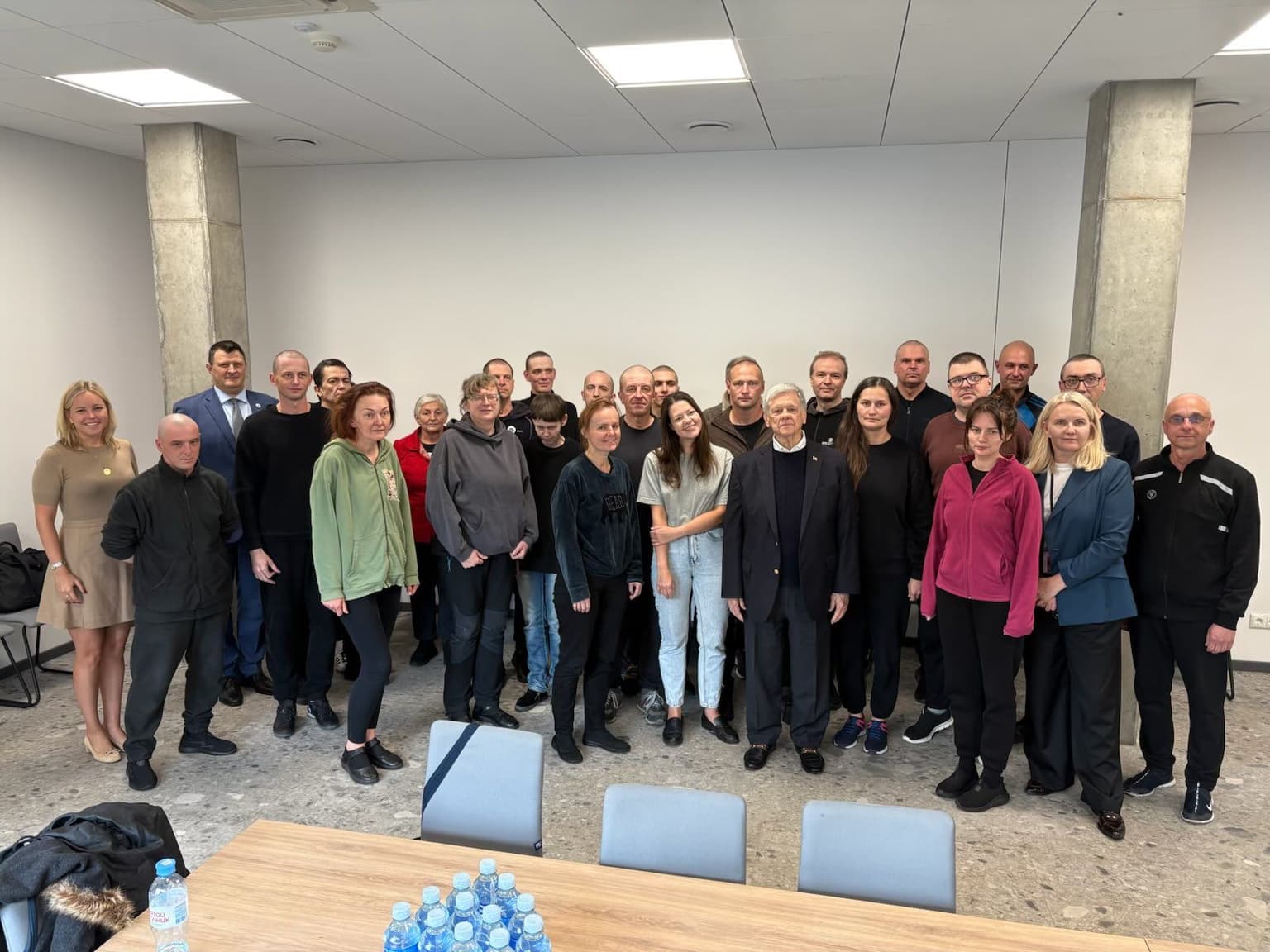
Belarus has released 25 political prisoners in exchange for the U.S lifting sanctions against two Belarusian companies, U.S. special envoy John Coale said in a video published by the Belarusian state media outlet Belta on Sept. 16.
The announcement comes the day after Coale arrived in Minsk to negotiate with the Lukashenko regime, and several months after his last visit, in which he also secured the release of prisoners.
"As a gesture of goodwill, Belarus will release 25 people. The U.S., in turn, will lift sanctions from two Belarusian companies" — Lakokraska and Bellesbumprom, Coale said.
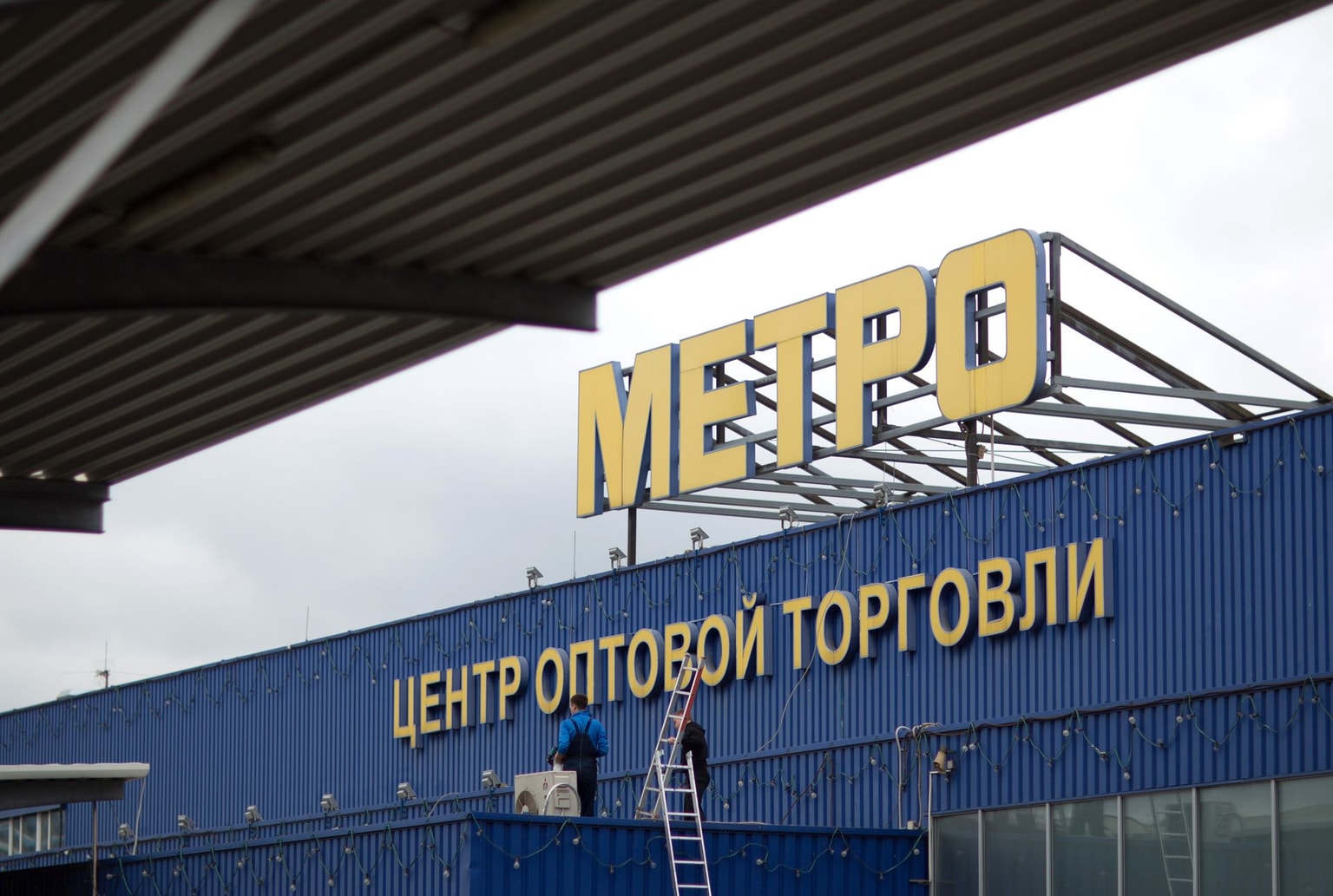
Bellesbumprom is a state-owned entity covering the wood and paper industries, and Lakokraska is a paint and varnish manufacturer.
The two entities are sanctioned by Ukraine and the U.S.
While it is not confirmed where the prisoners will go, usually EU countries host them, primarily Lithuania or Poland.
Coale thanked Lithuania for its support in a social media post celebrating the prisoner release.
"We... are working to secure the release of more people in the very near future. We are not finished!" Coale wrote.
Belarusian human rights NGO Viasna estimated that Belarus had 889 political prisoners as of the end of August, with 185 considered particularly vulnerable due to health, age, or the way in which they were being detained.
In March 2026, Coale said a broader deal with Minsk could include sanctions relief and the restoration of diplomatic relations. Belarusian dictator Alexander Lukashenko had said the U.S. had proposed a "big deal" with Belarus.
"We would like to realize the goal of normalizing the relationship… the things that normal countries do between themselves," Coale said in an interview with the Kyiv Independent in March.