Zelensky optimistic $800 billion US prosperity plan will be signed after Davos delay
 on Google
Kyiv and Washington still have work to do before signing a so-called "prosperity plan" to help Ukraine’s economic recovery initially expected to be signed at Davos, President Volodymyr Zelensky told reporters on Jan. 23.
Describing the plan, which was first floated in December, as a "bundle of documents," Zelensky said he expects progress to be made in the future. The documents must be "clear and transparent," he said, as the plan will be the "foundation" for Ukraine’s recovery.
"In the years ahead, it is crucial that everyone, not just our team but also the next one, understands where the money will come from, what the sources of funding will be, and what Ukraine can realistically count on," Zelensky said.
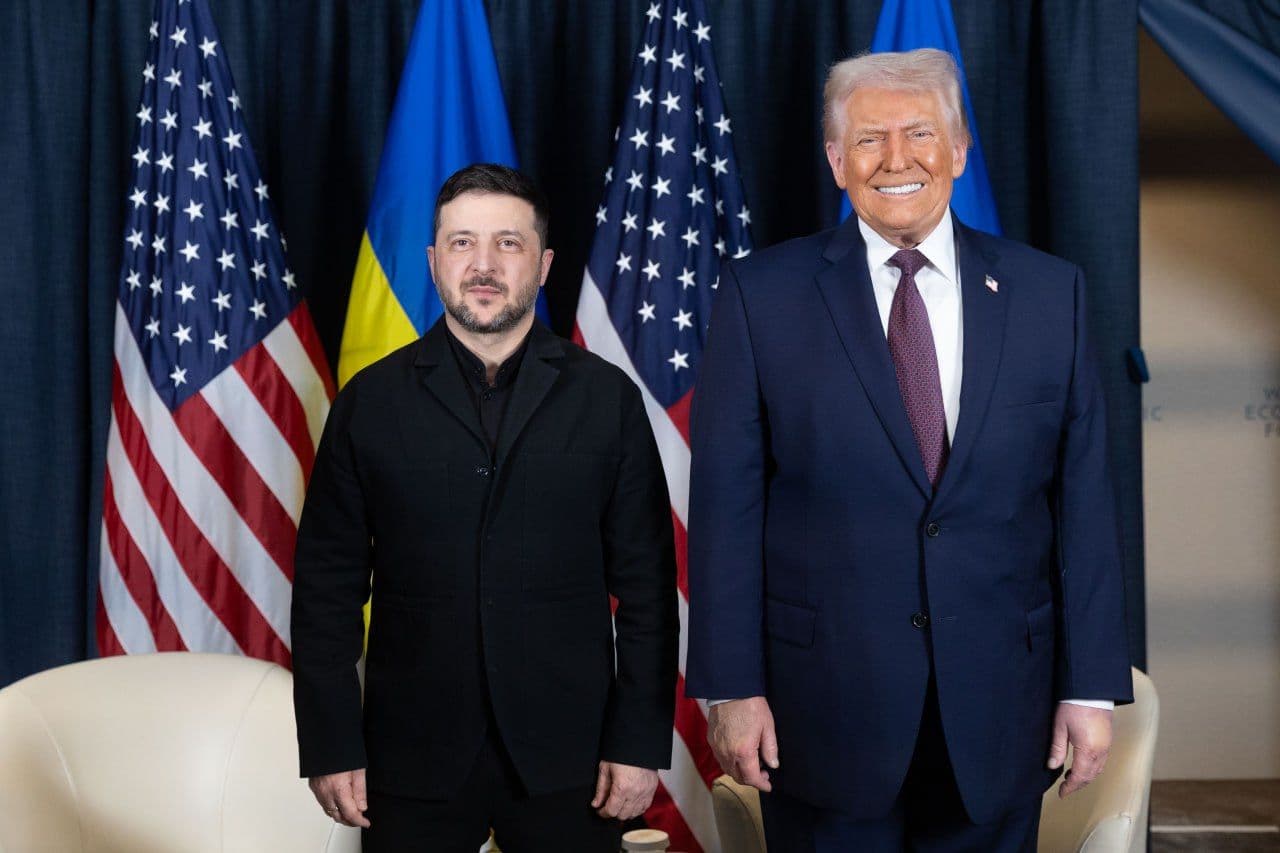
The day before, Zelensky met U.S. President Donald Trump in the Swiss ski resort where the two spoke for an hour about Ukraine’s urgent needs, including security guarantees and economic cooperation.
Describing the meeting as "really positive," Zelensky said Trump confirmed a proposal to establish a free trade area between Ukraine and the U.S. Nothing has been signed just yet, as the Ukrainian leader said he will look at the details later.
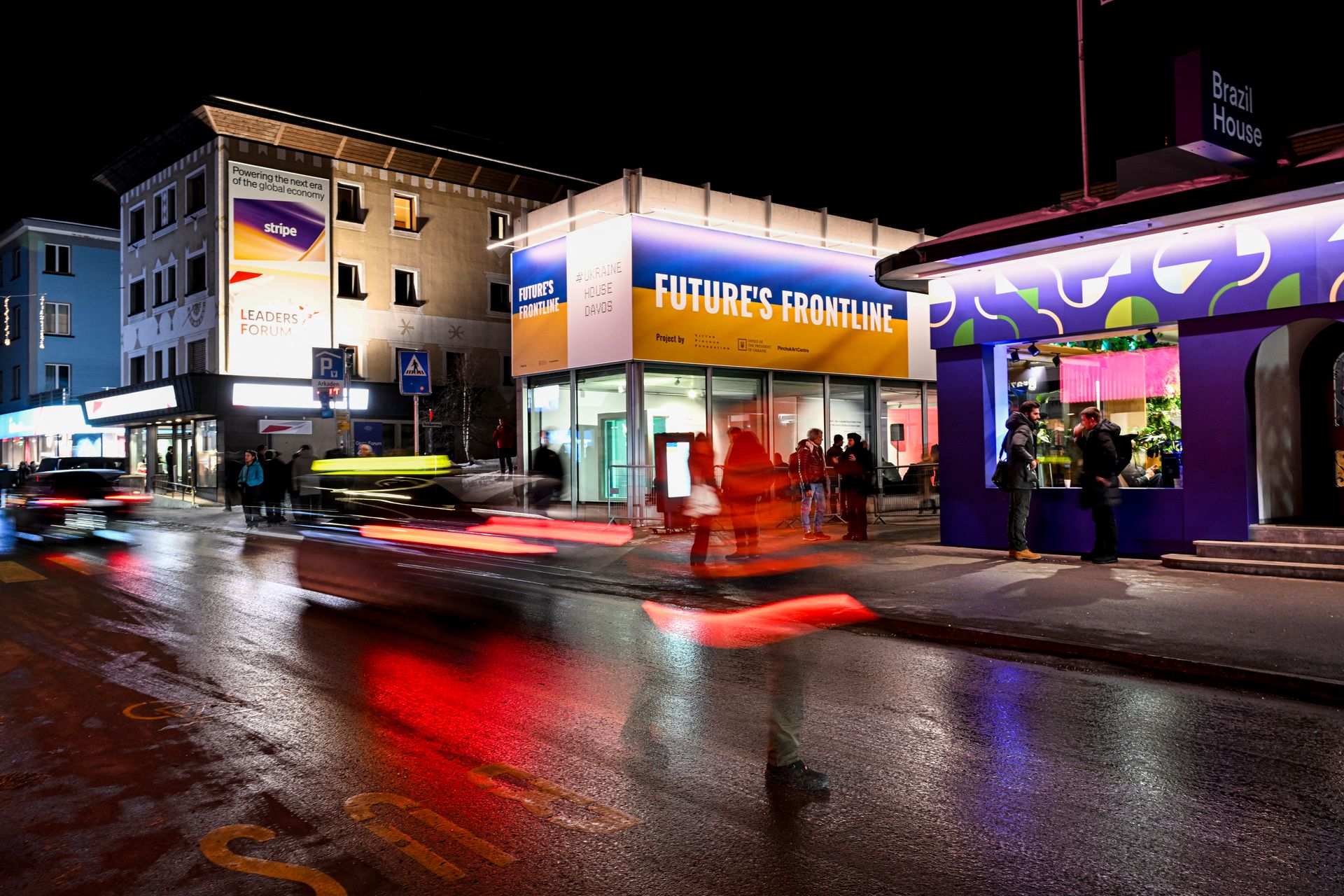
The idea of a tariff-free zone was also backed by the U.S. Special Envoy Steve Witkoff, who called it "a game-changer" during an event at Ukraine House Davos on Jan. 22.
As Ukraine and the U.S. continue peace proposal talks, Kyiv is leveraging its economic opportunities to win Trump’s support. The next round will take place over two days in the UAE, starting Jan. 23, attended by the U.S., Ukraine, and Russia.
While details of the "prosperity plan" remain scarce, official statements describe a 10-year framework involving Ukraine, the U.S., EU, and G7 partners aimed at mobilizing that $800 billion through a mix of public and private investment.
The plan will rely on financial tools such as guarantees, risk-sharing, and blended public-private financing, Economy Minister Oleksii Sobolev said on Jan 3. Priority sectors include energy, infrastructure, industry, and human capital, all of which have been hard hit by Russia’s war.
Initially, Zelensky hoped to sign the deal on a trip to the White House in mid-January, but European allies instead suggested Davos was a more appropriate venue in order not to rush proceedings, according to the Telegraph.