Zelensky confirms ballistic missile early warning systems operational after skipped alerts
 on Google

President Volodymyr Zelensky on Oct. 20 confirmed that Ukraine's early warning systems for Russian ballistic missile launches are operational, after authorities previously said there were instances when Kyiv did not receive alerts from allies.
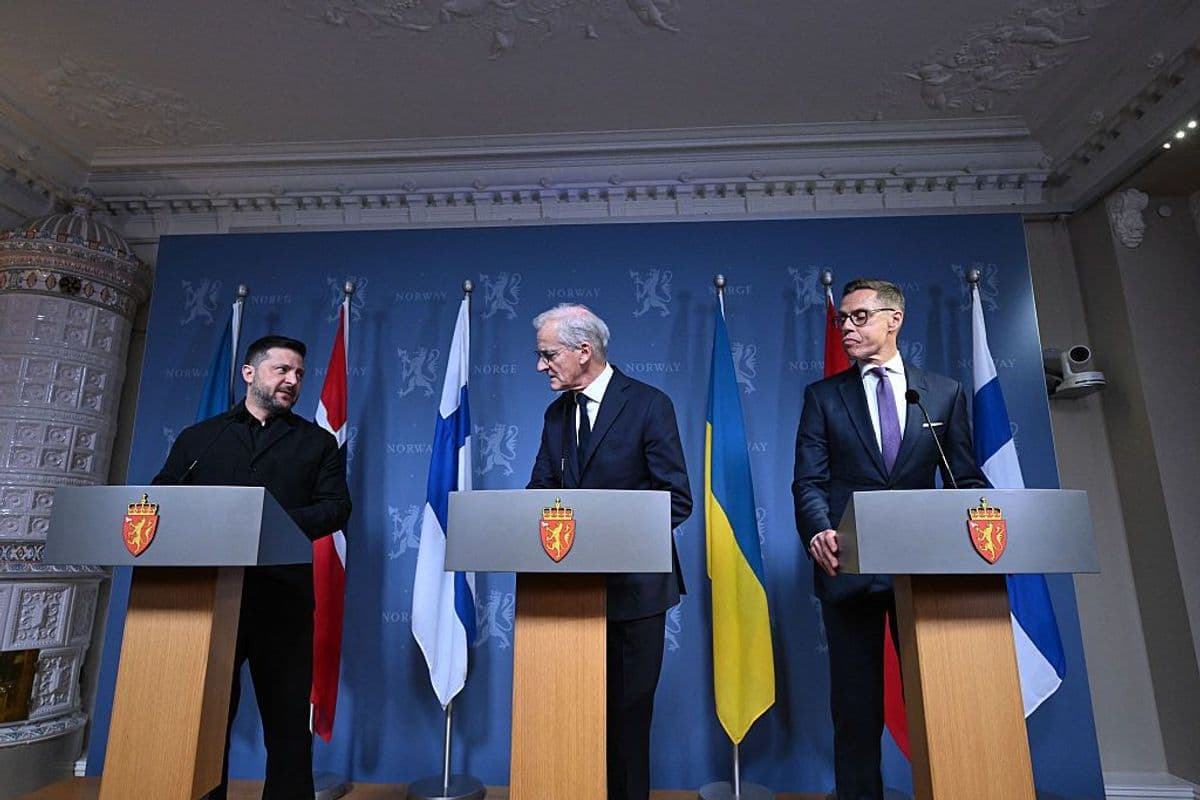
"This is very important for our people, as we can know when a Russian ballistic missile is incoming. Therefore, this morning began with positive signals from the American side," Zelensky said at a joint press conference alongside Norwegian Prime Minister Gahr Store and Finnish President Alexander Stubb.
The three leaders met in Oslo alongside U.S. envoy Steve Witkoff. Zelensky said he planned to hold joint talks with all three officials, a separate bilateral meeting with Witkoff, and a trilateral meeting with Store and Stubb.
"We also have a constructive dialogue now. It was constructive because we all want peace – Ukraine, Europe, and the United States. As for what tomorrow will bring, we will see," Zelensky said at the press conference.
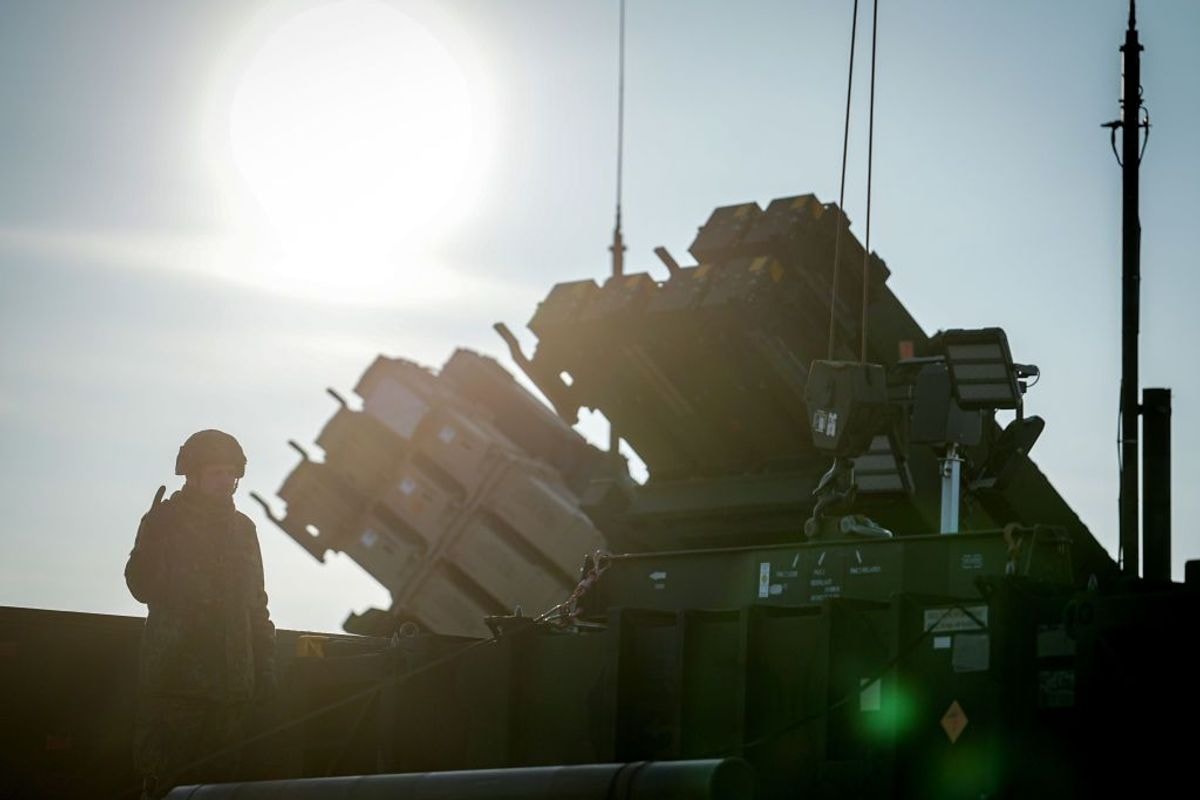
Ukraine has experienced disruptions to its early-warning systems, which rely on U.S. intelligence for incoming Russian ballistic missiles in recent days.
White House officials have attributed previous outages to "bad weather conditions," while Rubio has cited a software malfunction.
U.S. President Donald Trump has condemned Ukraine's strikes on Russian energy in recent weeks, blaming Zelensky for supposedly exacerbating the global diesel supply crisis, despite evidence that shows the U.S. war against Iran is the major driver behind the current shortage.
Ukraine has offered energy ceasefire proposals that Russia has rejected.
"(W)e offered different options. We are ready not to hit sensitive parts of Russia's energy sector if Russia stops hitting ours. Putin said no. But we're working to find a solution," Zelensky said at the Oslo press conference.