Zaluzhnyi: Assuming Russia has lost the war is a 'dangerous misreading'
 on Google
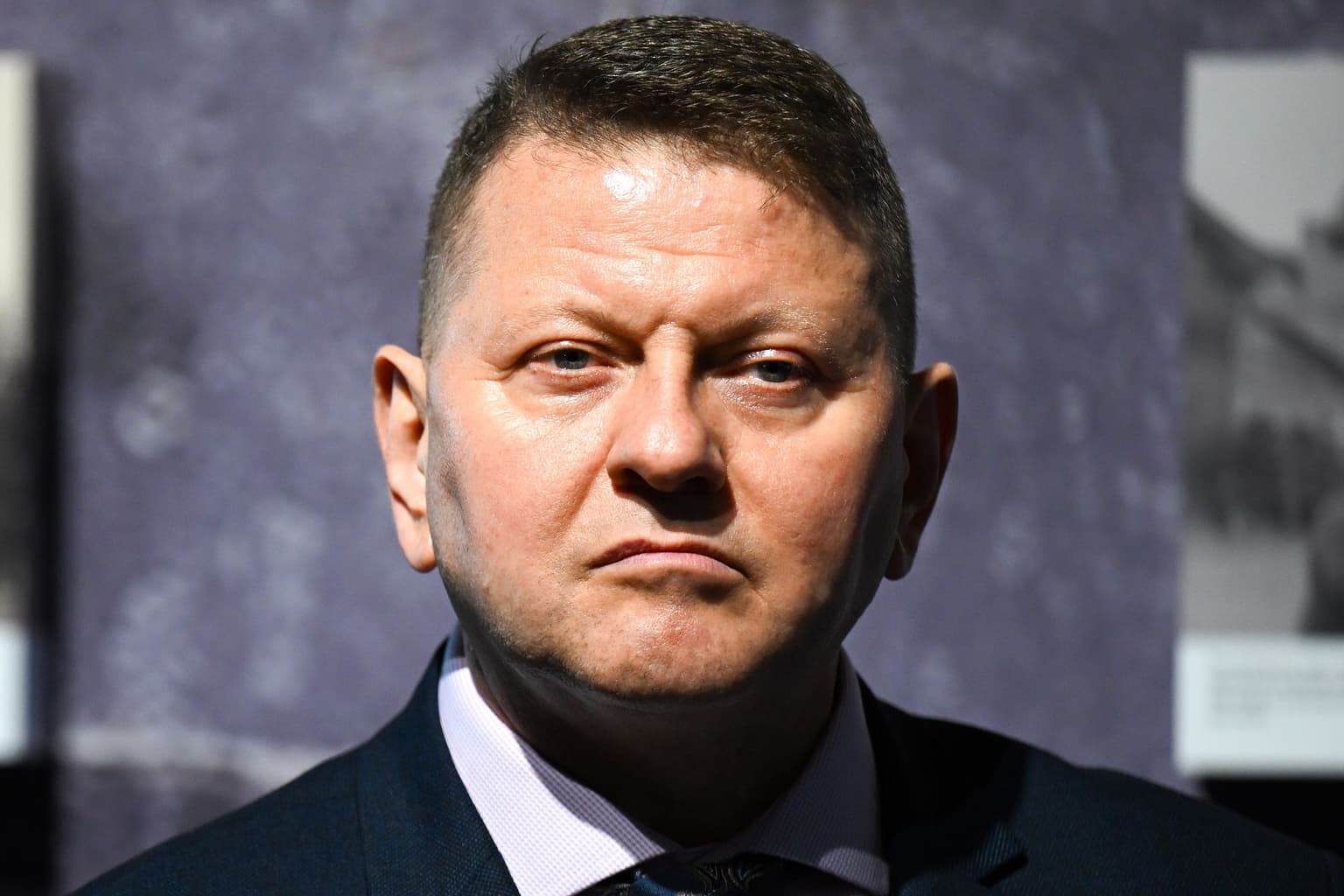
"Do not assume Russia has lost the war," Ukraine's ambassador to the United Kingdom and former Commander-in-Chief Valerii Zaluzhnyi warned in an opinion piece published in The Telegraph on July 8.
Zaluzhnyi pointed to a trend of Western analysts who assumed that "Russia has effectively lost the war," citing Ukraine's increasingly successful deep-strike campaign against the Russian oil industry and its ongoing "middle-strike" campaign to target Russian logistics.
"That is a dangerous misreading of the war," Zaluzhnyi said, arguing that analysts who focus on Ukraine's individual tactical and operational victories — battlefield gains and strikes inside Russia — instead of the broader strategic picture arrive at optimistic assessments of the state of the conflict.
read also
Zaluzhnyi returned to a view he has advanced since 2023, describing the current conflict as a positional war of attrition shaped by drones, surveillance, and precision-strike capabilities.
"This is no longer a war of swift manuevers. It is a war of attrition," Zaluzhnyi said. "Every tactical gain now comes at an extraordinary cost. Positions can be taken, but holding them, reinforcing them and evacuating the wounded has become increasingly difficult under constant drone surveillance. Success on the battlefield is measured in meters rather than miles, and often at a price that bears little relation to its strategic value."
Zaluzhnyi's words will be viewed by many as an implicit critique of his successor as commander-in-chief, Gen. Oleksandr Syrskyi. Syrskyi has come under repeated criticism for launching what many consider to be poorly planned and ill-conceived offensive operations, often led by the Assault Forces, a specialized branch of the Armed Forces of Ukraine that answers directly to Syrskyi and has a reputation for taking high casualties during its operations.
Got an opinion on anything you've read in the Kyiv Independent so far?
and it may appear in our Letters section.

Zaluzhnyi argues that the war's attritional logic goes beyond individual battles and operations, with neither Ukraine's nor Russia's deep-strike campaign able to deliver a knockout blow.
"Ukraine's increasingly effective strikes against Russian logistics and critical infrastructure have imposed real costs on Moscow. But these attacks are expensive, technologically demanding, and ultimately reciprocal. Russia retains the ability to strike back with equal or greater force. Neither side can rely on this form of warfare to produce a decisive strategic outcome," Zaluzhnyi writes. He also argues, however, that Ukraine's campaigns of deep-strike and middle-strike operations could strengthen the country's position in any future negotiations.
Zaluzhnyi also believes that neither side is ultimately able to claim victory, with Russia unable to achieve its original war aims but able to continue a grinding war of attrition and Ukraine able to maintain its independence but unable to forcibly remove Russian forces from Ukrainian territory.
"Wars of attrition do not produce clear winners in the conventional sense. They are decided by endurance," Zaluzhnyi writes. He adds a note of caution that Ukraine's endurance depends "heavily upon continued backing from its allies," which he believes shows signs of fraying.
"Political changes in Washington and persistent divisions within Europe raise legitimate questions about whether today's level of support can be maintained indefinitely," Zaluzhnyi writes.