US, Ukraine delegations meet in Miami for second day of peace talks
 on Google

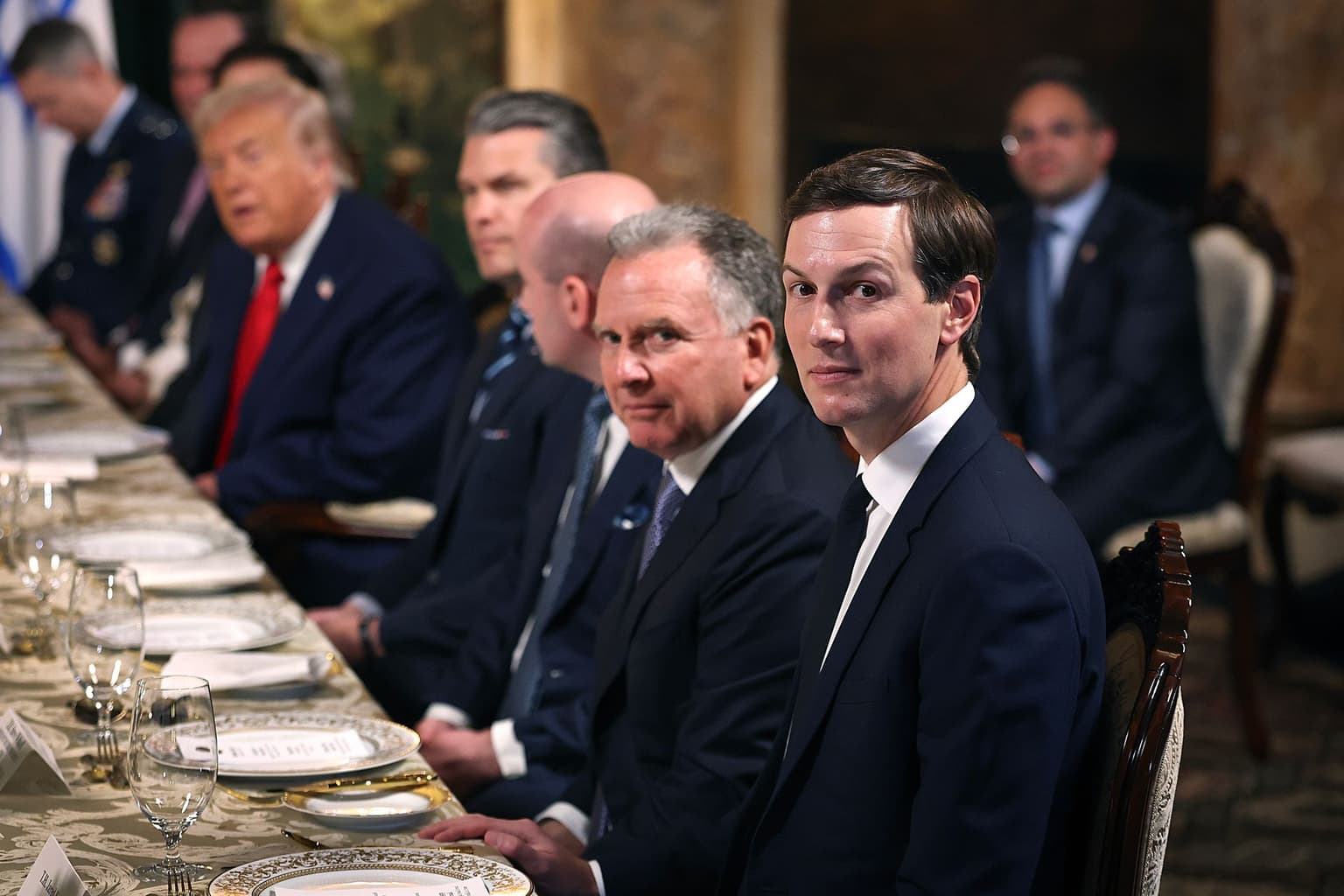
U.S. and Ukrainian officials met in Miami on March 22 for a second day of talks aimed at brokering a peace deal with Moscow to end its four-year all-out war.
The meeting comes as progress on a peace agreement between Ukraine and Russia has all but stalled in recent weeks amid the U.S.-Israeli war with Iran.
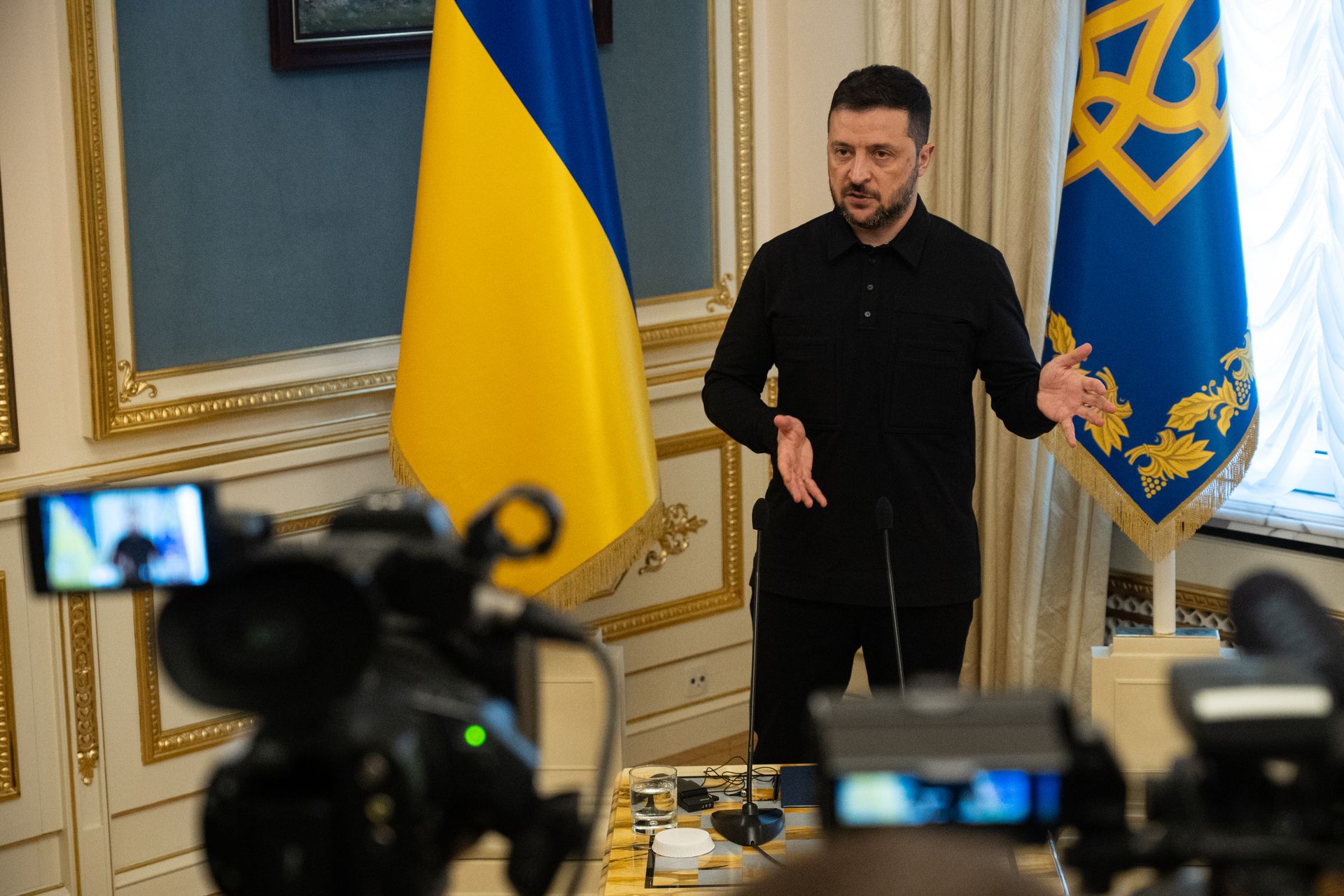
President Volodymyr Zelensky said in his evening address that he had received a report on the discussions, but that details of the talks could not be safely discussed over the phone. A full briefing will follow the delegates' return to Ukraine, he said.
"There are signals that a continuation of (prisoner) exchanges is possible, and this would be really very good news and confirmation that diplomacy is working. We hope that this will happen," he said.
The U.S. delegation is led by Special Envoy Steve Witkoff and Donald Trump's son-in-law Jared Kushner, and includes Senior White House Advisor Josh Gruenbaum and Senior Policy Advisor at the State Department Chris Curran.
The Ukrainian delegation includes Rustem Umerov, the secretary of the National Security and Defense Council; Kyrylo Budanov, the head of the Presidential Office; First Deputy Head Serhii Kyslytsia; and David Arakhamia, the parliamentary leader of Zelensky's Servant of the People party.
Umerov said the teams made "progress" in their discussions over the weekend.
"During the meetings, the focus was on issues of reliable security guarantees and the humanitarian track, including the exchange and return of our citizens," he said after talks concluded on Sunday.
"We have made progress in aligning positions and further narrowing the circle of unresolved issues."
Witkoff also said the U.S. was "encouraged" by the "substantive engagement" with the Ukrainian delegation.


The latest round of negotiations comes more than a month after the last face-to-face meeting in Geneva on Feb. 17–18, when trilateral talks among Kyiv, Moscow, and Washington were held.
A follow-up meeting scheduled for March 5 in Abu Dhabi was postponed after U.S.-Israeli strikes on Iran.
Zelensky note on March 22 that Iran remains Washington's primary focus. Still, he urged the U.S. and international community to not ease pressure on Russia as the war in Ukraine continues.
"It's clear that the American side's attention at this time is primarily focused on the situation around Iran and in that region, but we also need to end this war of Russia against Ukraine. ... It's important that the aggressor not be rewarded for this war," he said.
Following the first day of talks on Mar. 21, Witkoff called the discussions with Ukrainian officials "constructive."
Witkoff said that the initial talks "focused on narrowing and resolving remaining items to move closer to a comprehensive peace agreement," without specifying the details of what was discussed.
In his evening address on March 21, Zelensky welcomed the first round of talks, saying that it was important "that diplomacy continues and that we are working to end this war."
"The key issue is to understand how ready Russia is to move toward a real end to the war, and whether it is ready to do so honestly and with dignity. Especially now, when the geopolitical tensions have only increased due to the situation around Iran," Zelensky added.
European officials have cautioned that U.S. military support, particularly air defense systems, could face delays as Washington prioritizes the Middle East, with EU foreign policy chief Kaja Kallas saying there is now "competition for the same assets."