US allows Russian oil tanker to reach Cuba amid ongoing blockade and energy crisis
 on Google
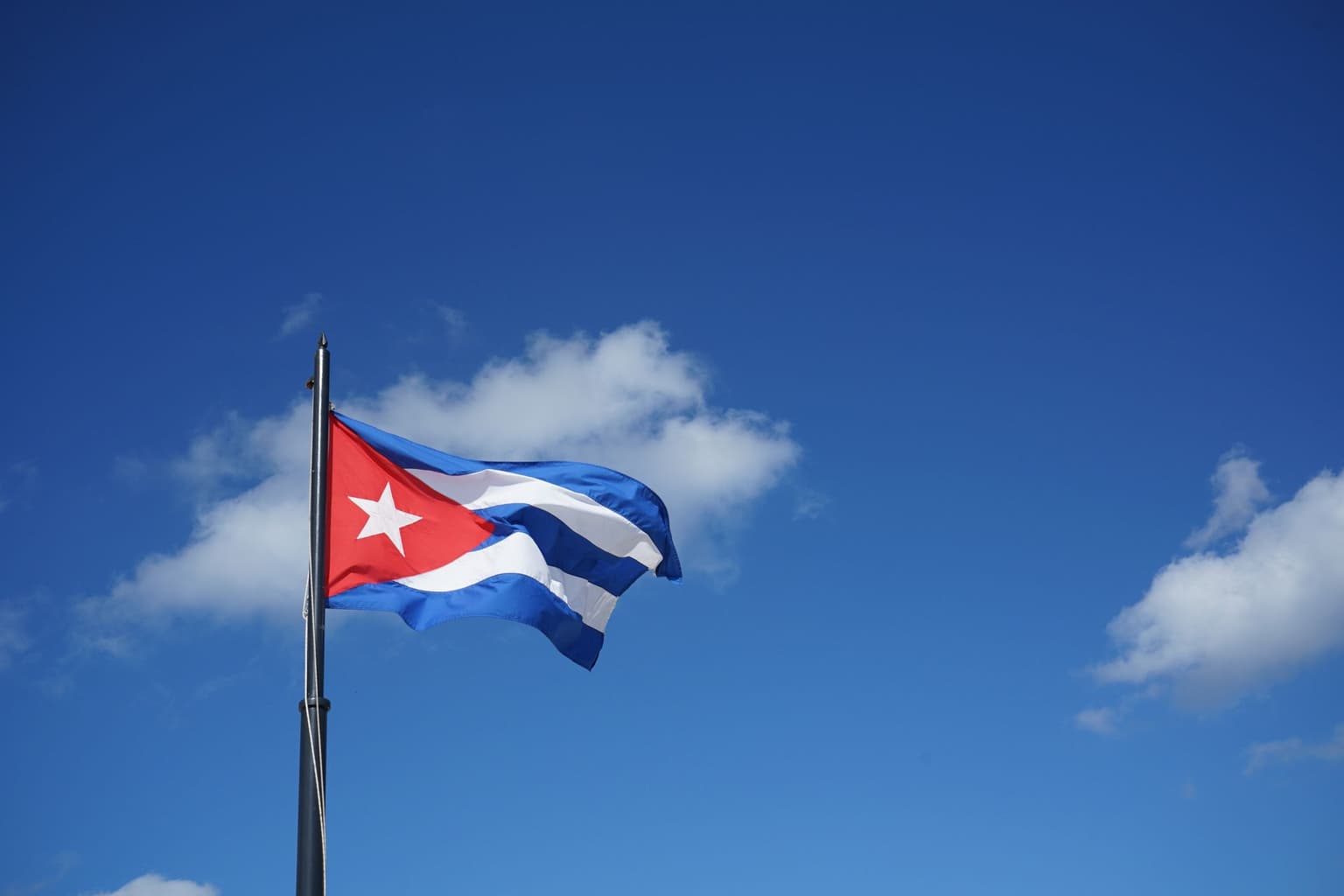
The U.S. is allowing a Russian tanker carrying crude oil to reach Cuba, The New York Times reported on March 29, amid a de facto oil blockade imposed by Washington.
Ship tracking data showed the Russian-flagged tanker Anatoly Kolodkin, carrying about 650,000 barrels of Urals crude from the Russian port of Primorsk, approaching Cuba and expected to dock at the port of Matanzas.
The New York Times, citing a U.S. official familiar with the matter, confirmed the tanker was headed for Cuba but said it was unclear why the U.S. President Donald Trump administration was allowing the shipment to proceed.
The move comes as Washington has effectively blocked most oil shipments to Cuba in an effort to pressure the government in Havana, contributing to a severe energy crisis on the island.
Cuban President Miguel Diaz-Canel said the country had not received oil imports for three months, leading to strict gasoline rationing and repeated nationwide power outages.
The situation worsened after the U.S. captured Venezuelan leader Nicolas Maduro in January, removing a key Cuban ally who had long supplied oil to the island on favorable terms.
Washington subsequently blocked Venezuelan oil shipments to Cuba and threatened tariffs on countries that continued supplying the island, prompting Mexico to halt its exports.
The decision comes as the U.S. has temporarily eased some sanctions on Russian oil exports following disruptions to global supply caused by U.S. and Israeli strikes on Iran, further complicating the geopolitical dynamics surrounding the shipment.
Cuba and Russia have maintained close ties since the Cold War. Media reports suggest that upwards of 5,000 Cuban fighters are actively participating in fighting for Russia in Ukraine.
Most recently, Cuba joined the Russian-led BRICS group as a partner country in October 2024.