'Ukrainians made it through,' Zelensky says on toughest winter of Russia's invasion
 on Google
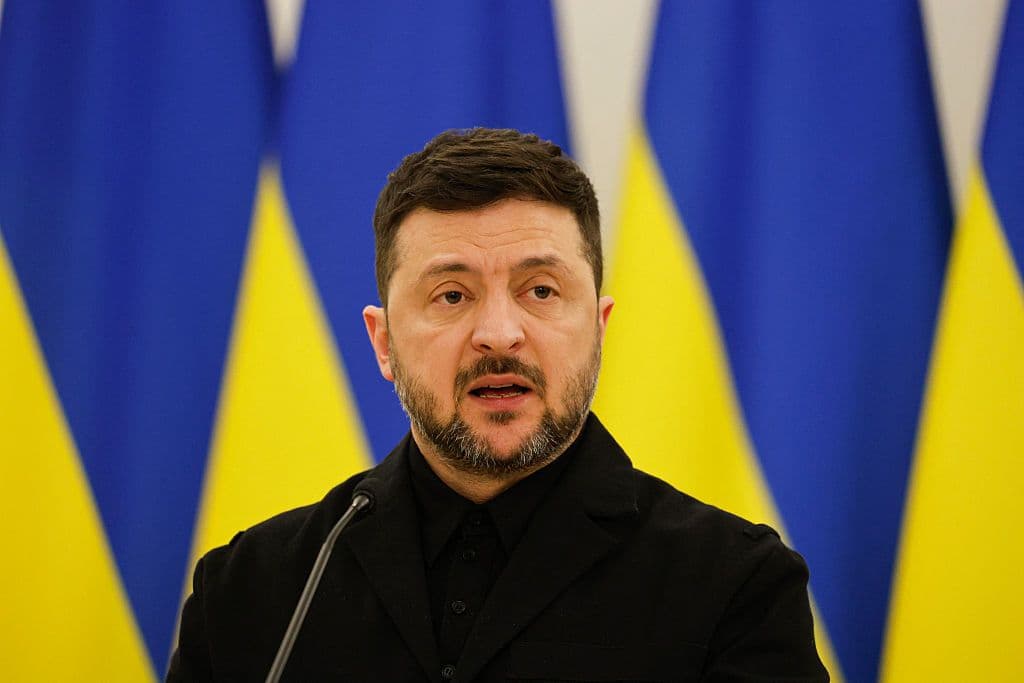
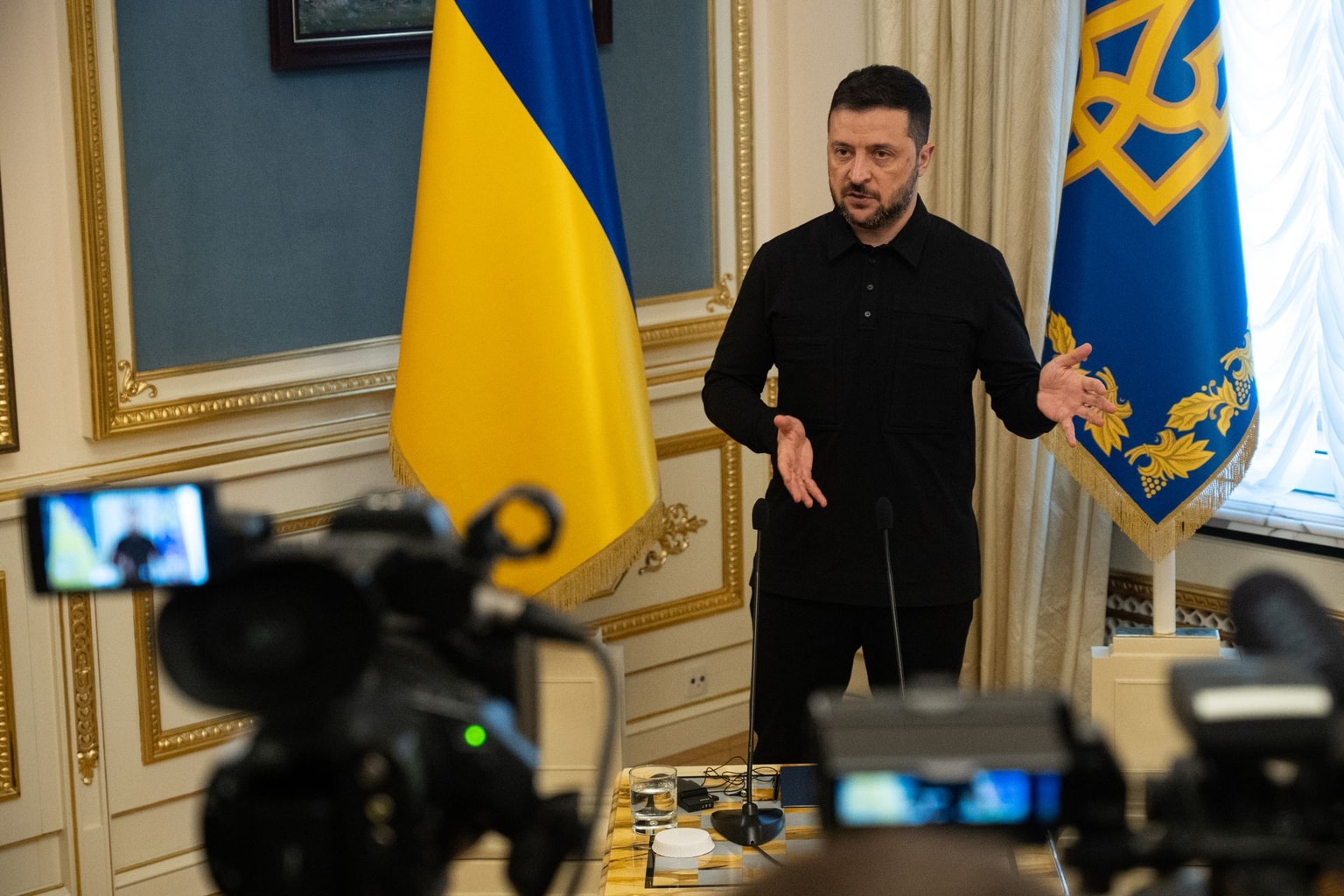
President Volodymyr Zelensky said on March 1 that during the final week of winter, Russia launched over 1,720 attack drones, nearly 1,300 guided aerial bombs, and more than 100 missiles of various types against Ukraine.
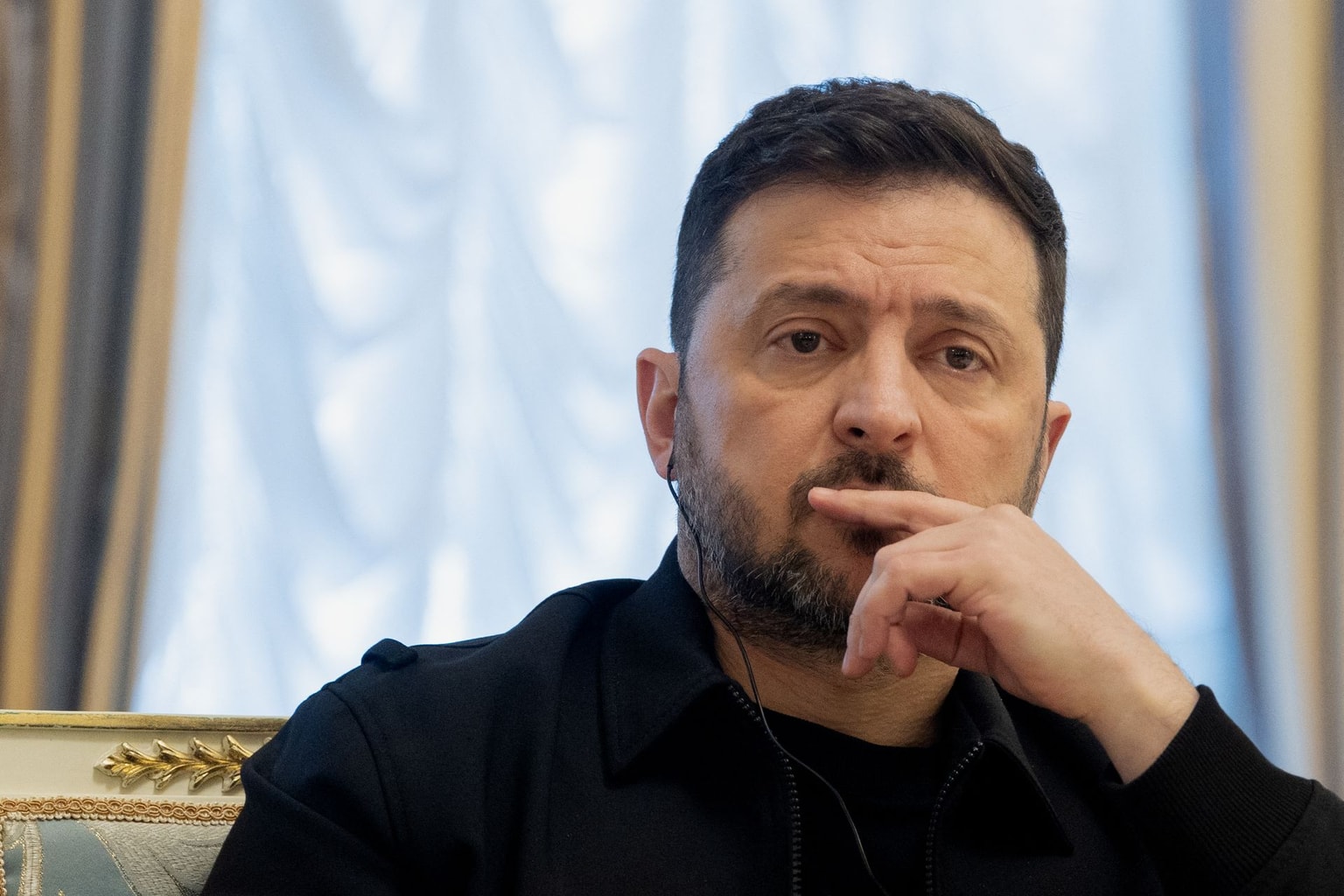
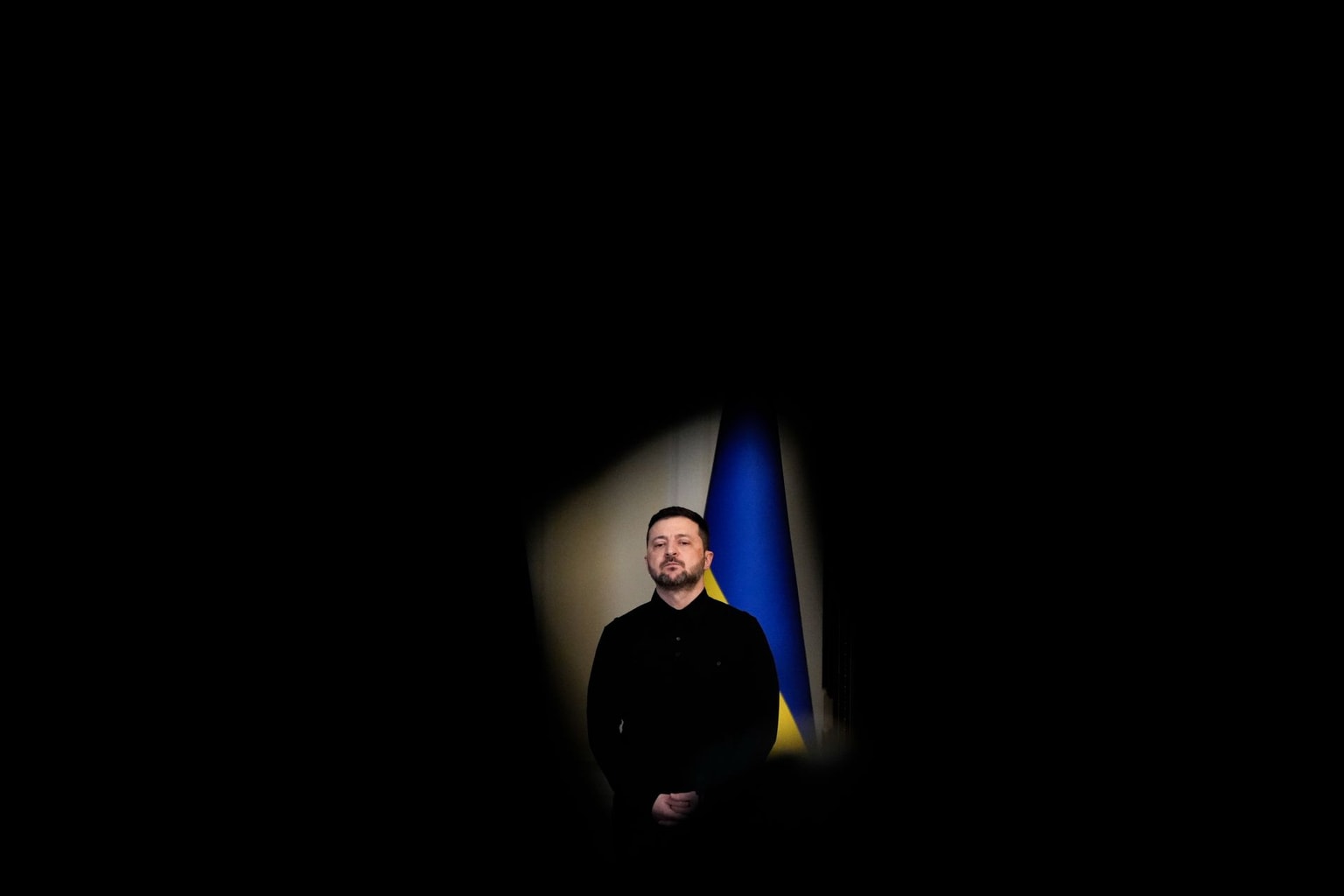
"But despite everything, Ukrainians made it through this difficult winter, when Russia did not even try to seek justification for its bestial strikes on civilian critical infrastructure," Zelensky said on X.
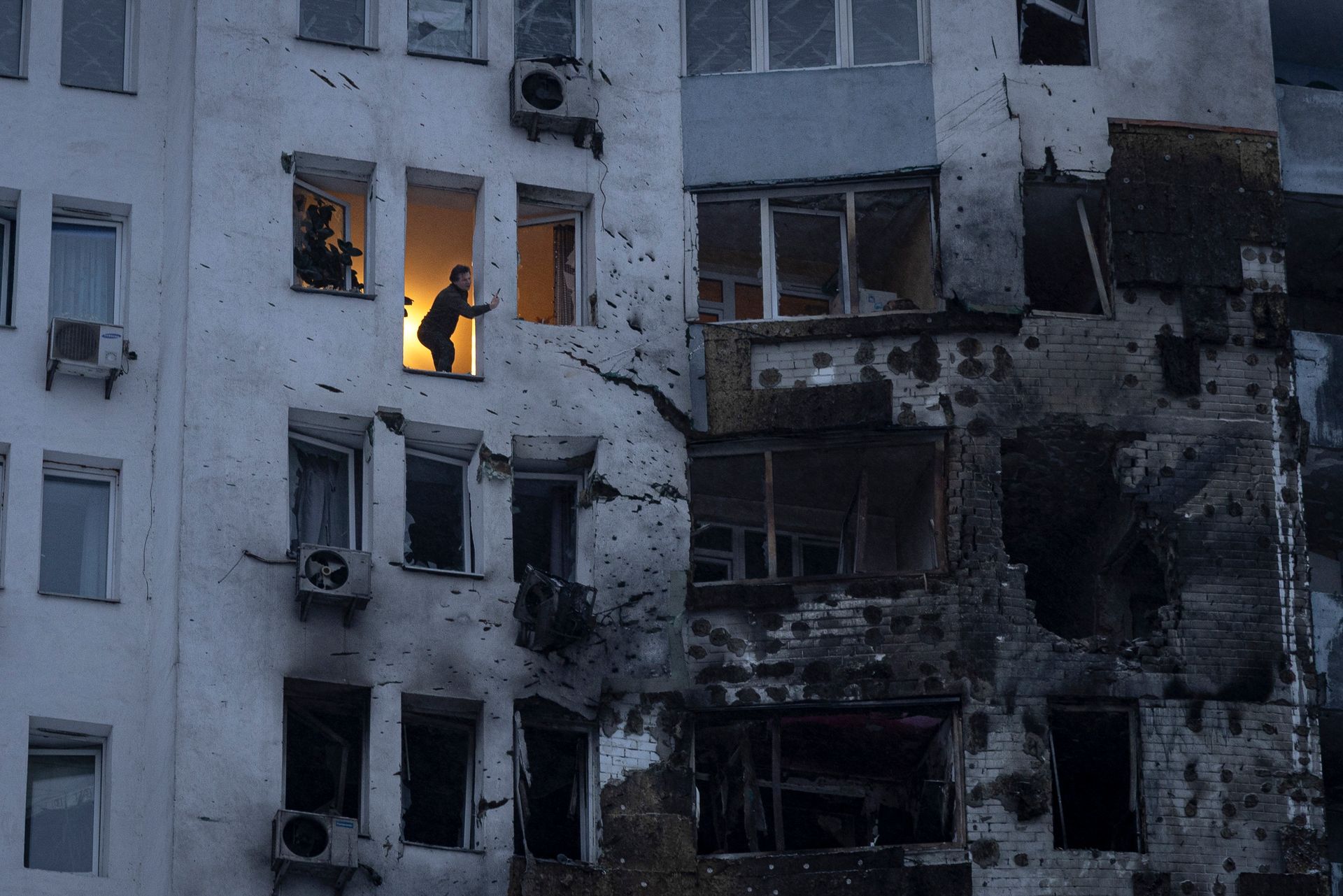
The winter of 2025-2026 has been described as Ukraine's toughest yet, as heavy Russian strikes on the energy system, combined with severe frosts, have pushed the country to the brink of a humanitarian crisis.
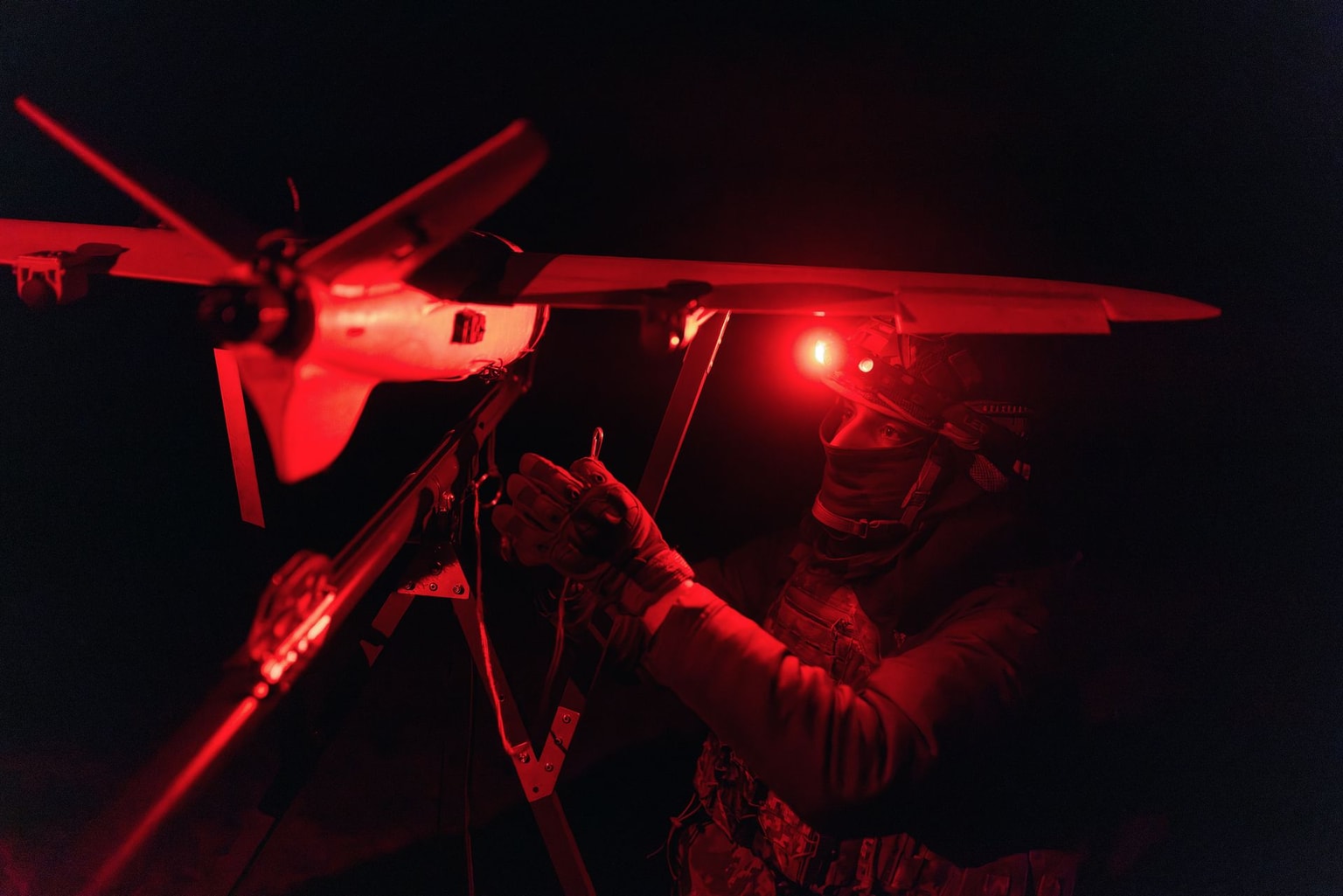
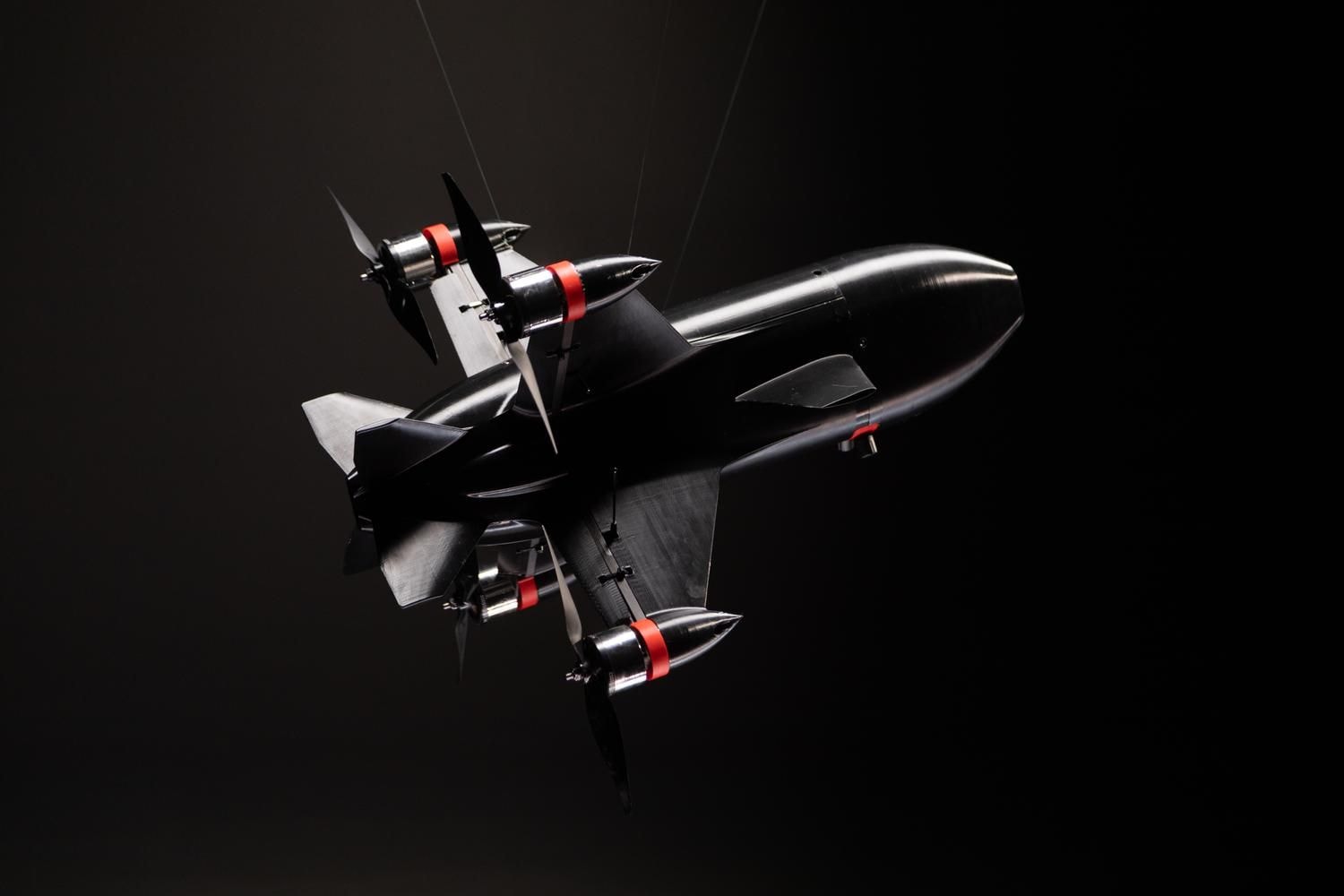
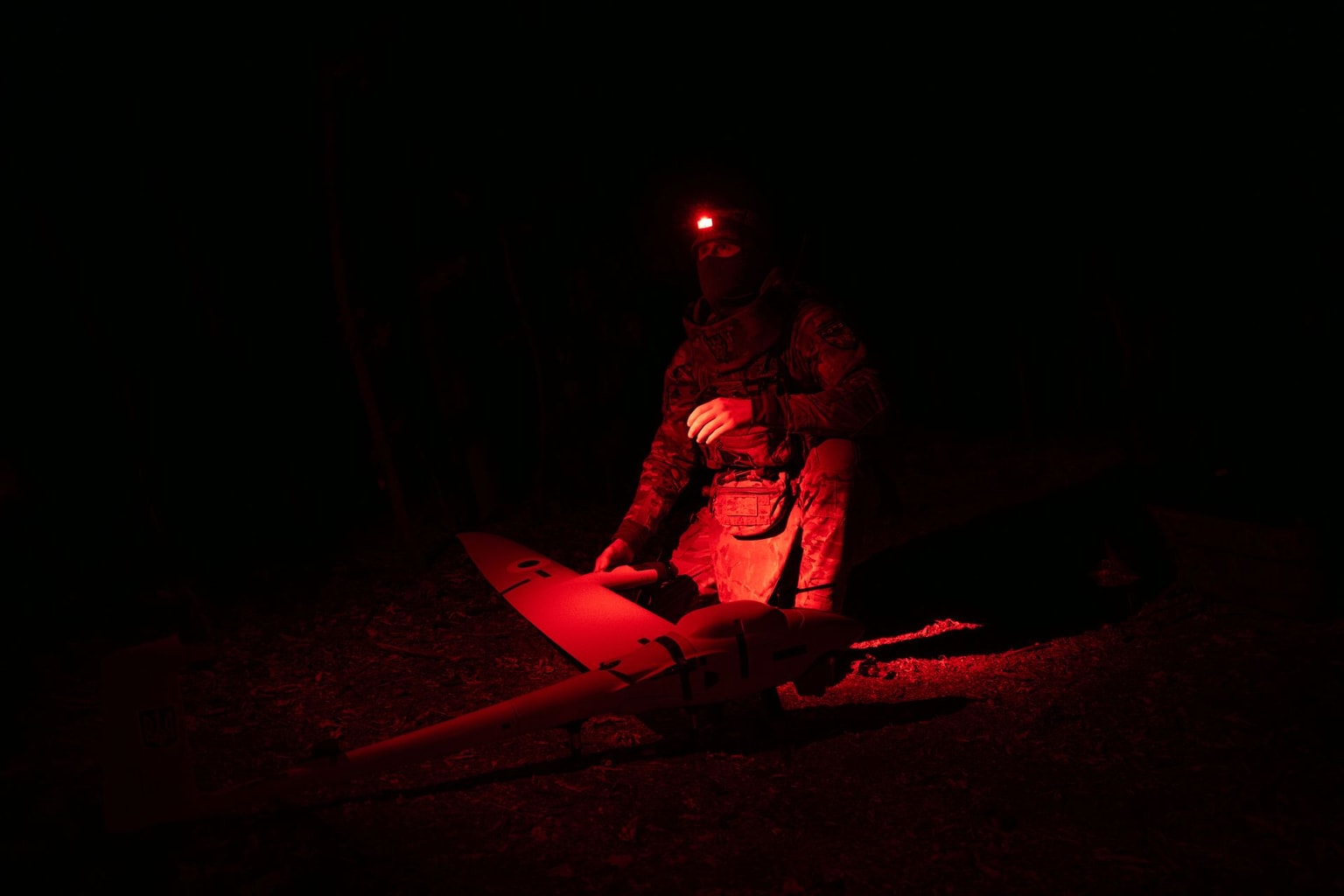
Over the three-month winter period, Russia launched more than 14,670 guided aerial bombs, 738 missiles, and nearly 19,000 attack drones, most of them Shahed-type models, according to Zelensky.
The president added that the same Iranian-designed drones are currently being used by Tehran against countries in the Middle East, amid a fresh conflict that broke out following Israeli-U.S. strikes on Iran.
"Evil must be confronted in every part of the world," Zelensky said.
"When the United States and other partners show enough determination, even the bloodiest dictators ultimately pay for their crimes."
A wave of massive Russian strikes in January and February, when daytime temperatures plunged to -20°C (−4°F), pushed Ukraine's energy system to the brink.
Widespread destruction and repeated attacks that hindered repairs forced many regions to shift from scheduled power cuts to emergency outages, some lasting more than eight hours at a stretch.
Kyiv, particularly its eastern bank, was most affected by the strikes. The damage left hundreds of residential high-rises without heating, disrupting systems that were meant to operate until March 31.
Russia carried out its most severe strike yet on substations linked to Ukraine's nuclear power plants on Feb. 7, cutting electricity output from the country's nuclear fleet by roughly 50%, according to Vitaliy Zaichenko, CEO of state grid operator Ukrenergo.
The assaults on energy systems are part of a broader campaign: last year, Russia launched 229 attacks on Naftogaz, Ukraine's state oil and gas company — more than in the previous three years combined, the company said in a Feb. 17 press release.