Ukrainian drones killing Russian troops faster than Moscow can replace them, drone commander says
 on Google
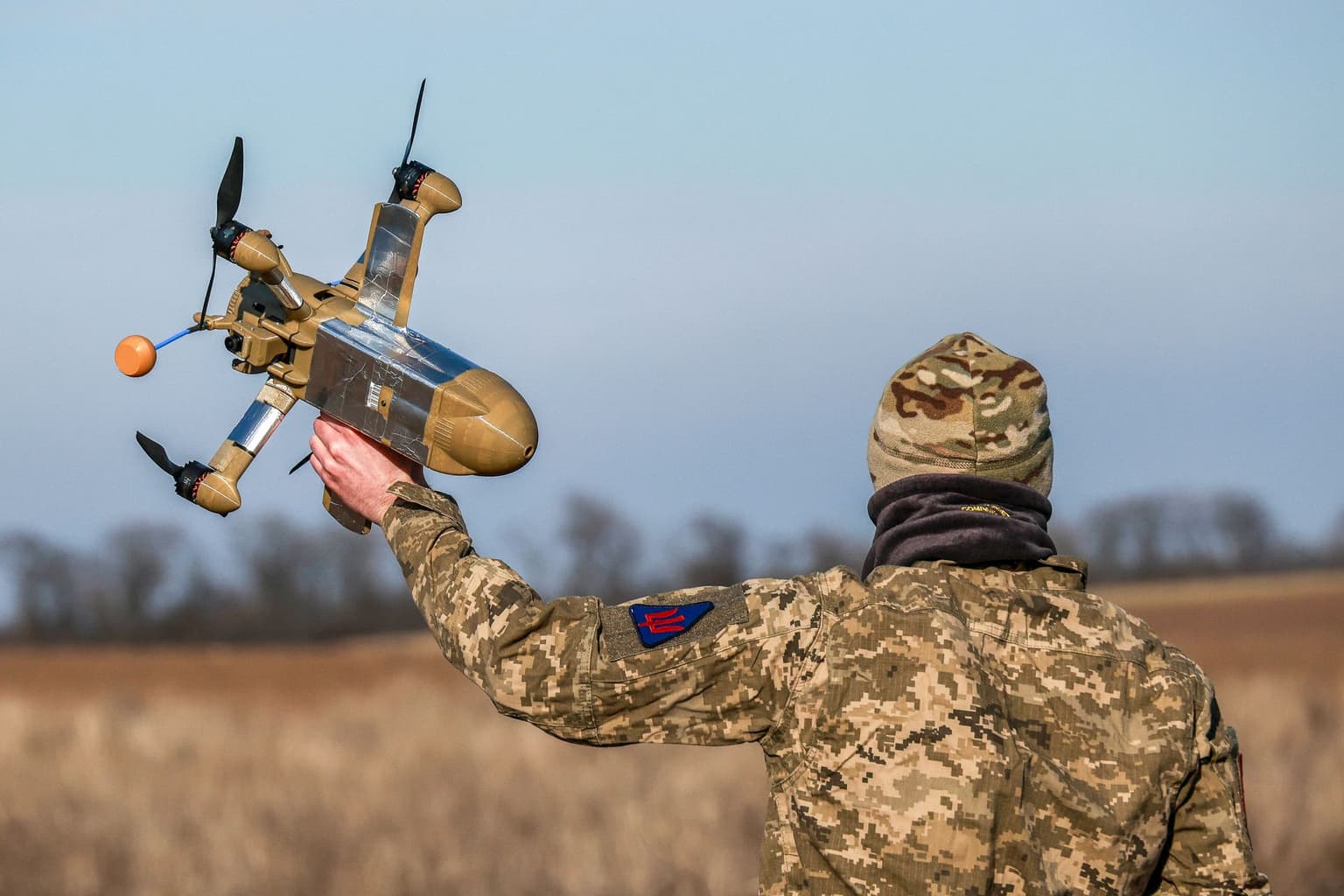
Since the start of winter, Ukrainian drones have killed or incapacitated at least 8,776 more Russian soldiers than Moscow has been able to replace, the commander of Ukraine’s unmanned forces said to the Economist.
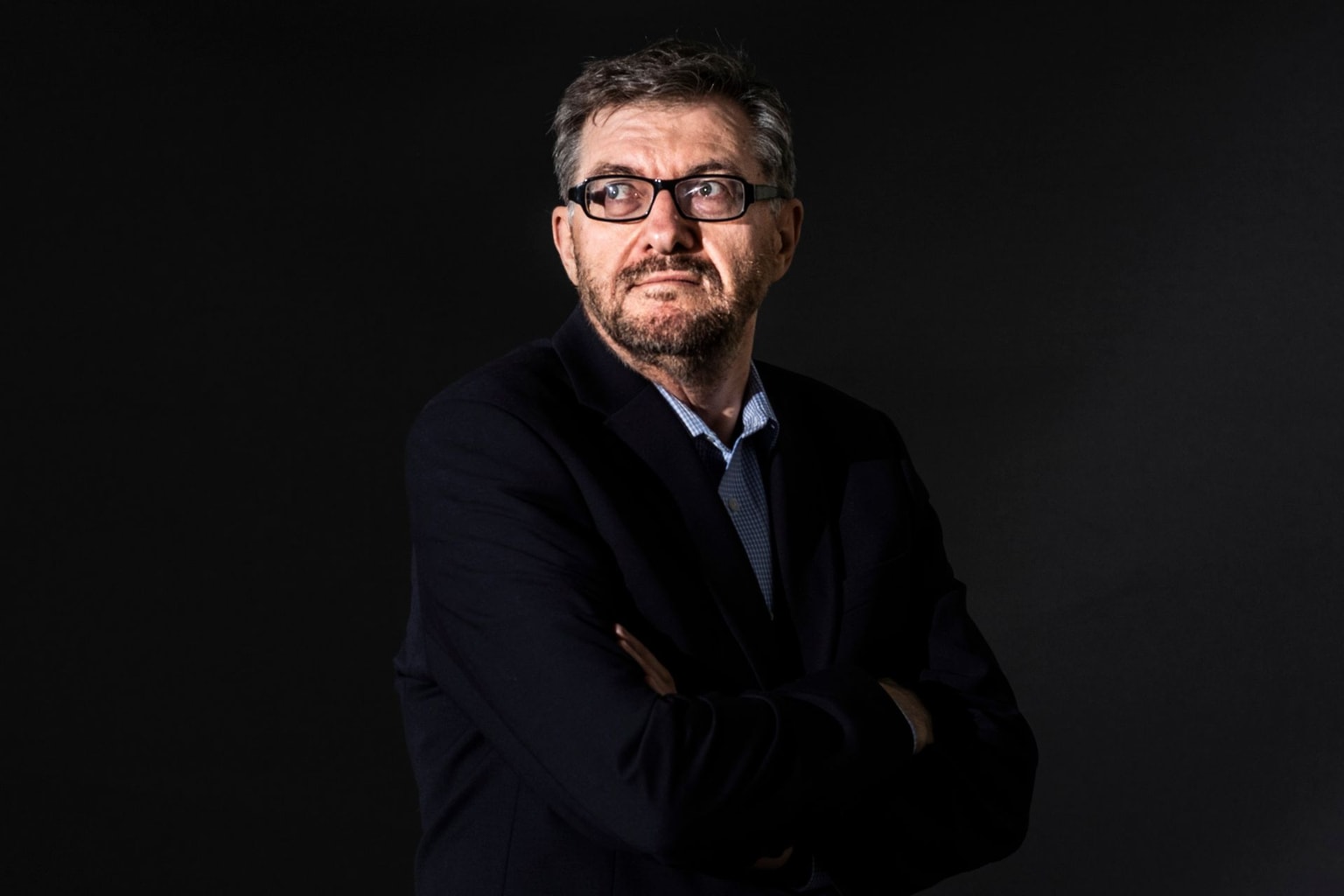
Robert "Madyar" Brovdi, who leads Ukraine’s drone units, said the shift marks a potential turning point in the war, as Kyiv increasingly focuses on targeting Russian personnel rather than equipment.
December became the first month in which verified Russian losses from Ukrainian drone strikes exceeded recruitment, according to Brovdi. At peak intensity, daily losses reached nearly 400 troops — roughly the size of an assault battalion.
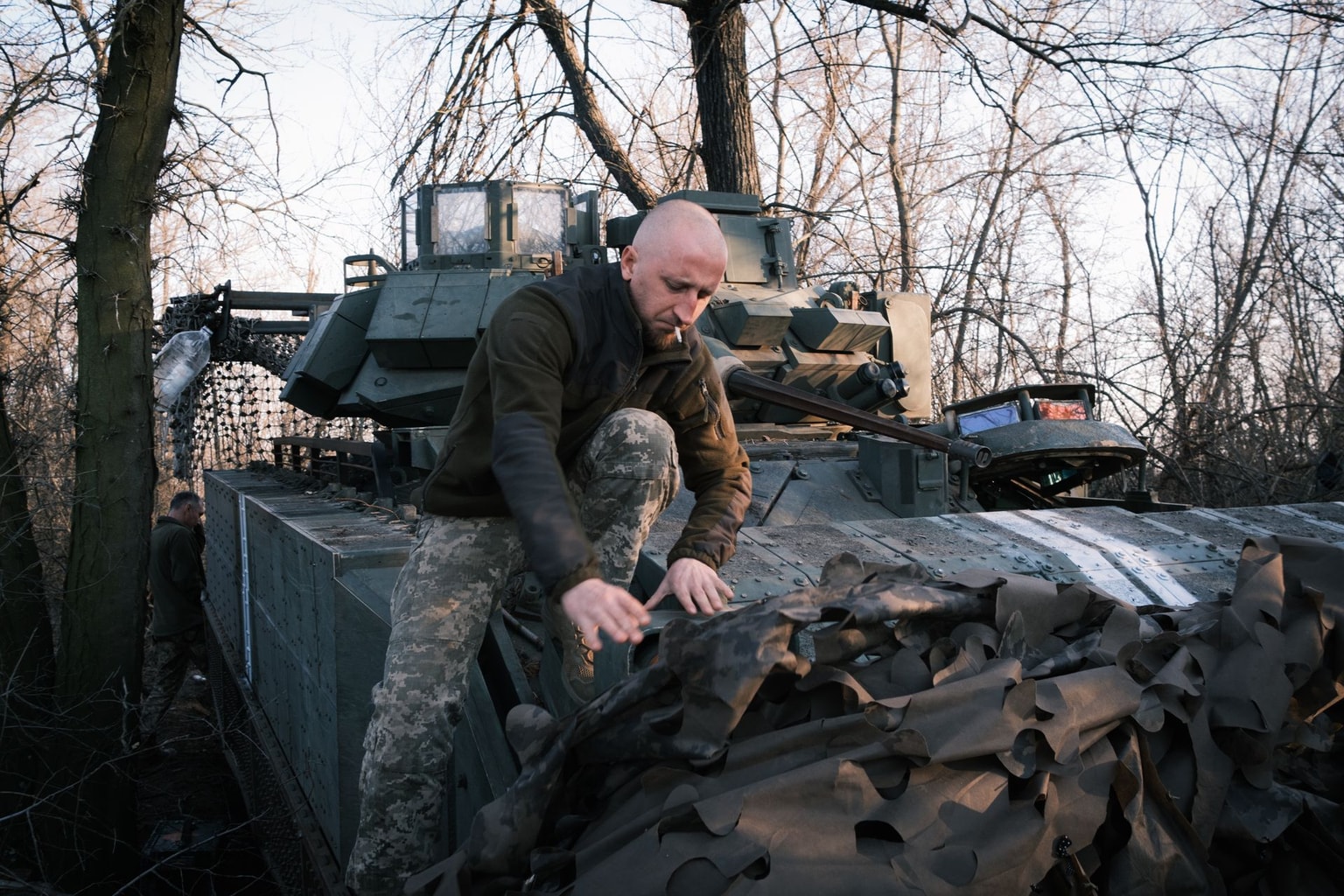
Ukraine’s drone units, which make up only a small fraction of the armed forces, now account for a significant share of Russian casualties. Brovdi’s own brigade claims responsibility for about one-sixth of losses, while the broader unmanned forces under his command account for more than a third.

"If a battalion has no infantry left, the Russians don’t disband it but throw desk officers to the front," Brovdi told the Economist. "They are the easiest targets, because they can’t fight."
Brovdi said Ukrainian forces deliberately prioritize enemy personnel in at least 30% of strikes, aiming to strain Russia’s ability to sustain its war effort. He compared the strategy to exhausting a resource over time.
"We need to keep milking this cow, the Russian army, for everything it’s worth, exhausting it beyond its maximum capacity," he said.
The drone campaign relies on a complex operational system combining surveillance, electronic warfare, and strike capabilities. Every mission is recorded and analyzed, allowing units to adapt tactics in real time.
"...The best drone is an ecosystem," Brovdi said. "For one pilot to make a kill, a whole machine must work behind him."
While Brovdi credits the system with increasing efficiency, critics argue his units have benefited from greater resources than other parts of Ukraine’s military.
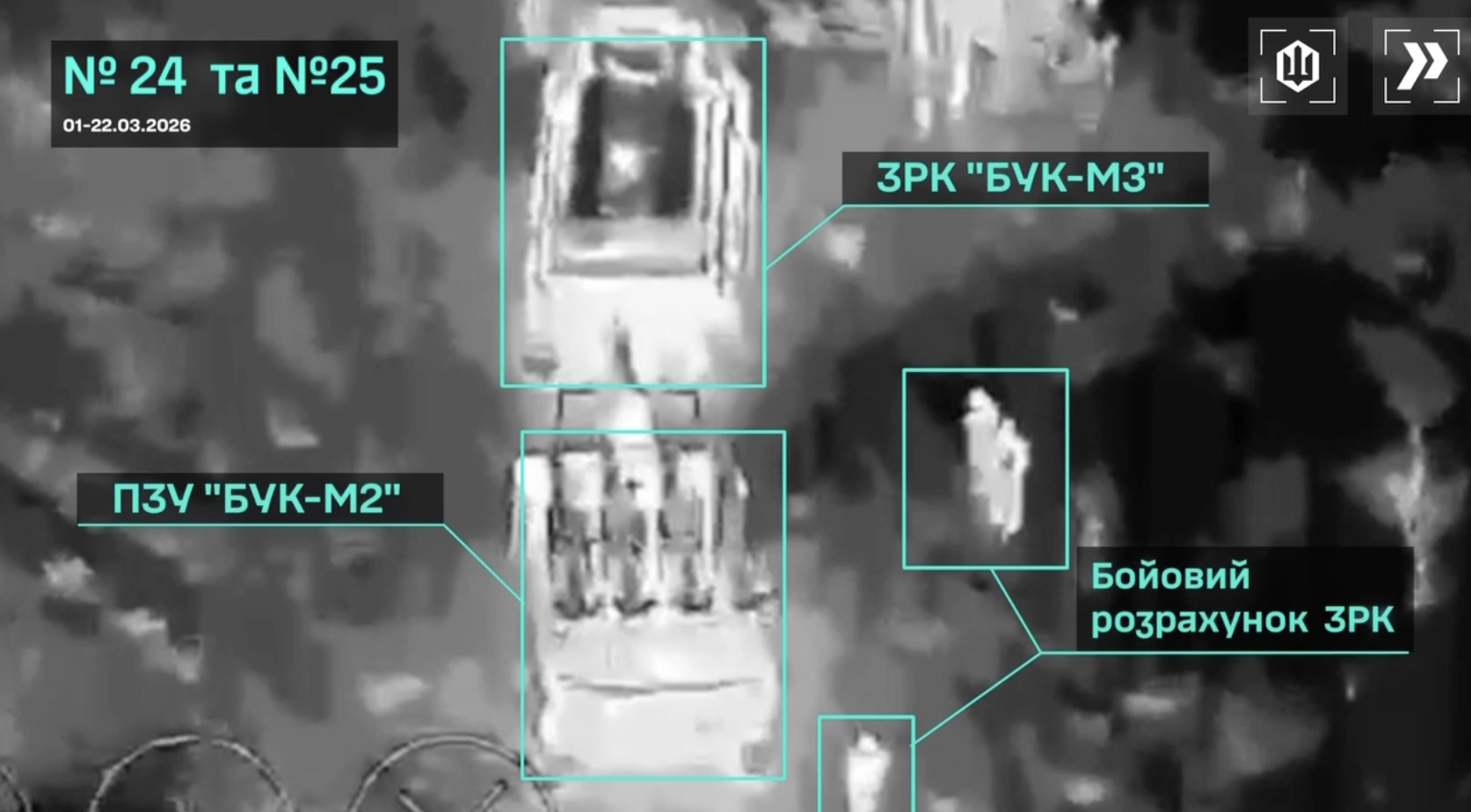
Brovdi also drew attention for publishing drone strike footage online, a practice that has sparked debate over ethics in wartime. He dismissed such concerns.
"I don’t experience any moral reservations at all. None," he added. "A man with a rifle in his hand on my land is coming to kill me. I kill him or he kills me."
Despite recent gains, Brovdi cautioned that Russia continues to replenish its forces and that the long-term trajectory of the war remains uncertain: "I have no rose-tinted fantasies that this war is about to end," he said.