Ukraine war latest: SBU claims new 'range record' with drone strike on Russian oil refinery in Komi Republic
 on Google
Key developments on Feb. 12
- 'A new range record'— Ukrainian drones strike oil refinery in Russia's Komi Republic, SBU source says
- 'Do not deprive us' — Russian soldiers, milbloggers furious at Putin over Telegram ban
- Russian losses exceeded recruitment for second month in a row, Ukraine says
- UK to provide additional £500 million for Ukraine’s air defense
- Russia targets Kyiv, Ukrainian cities with ballistic missiles as Moscow stalls on peace talks
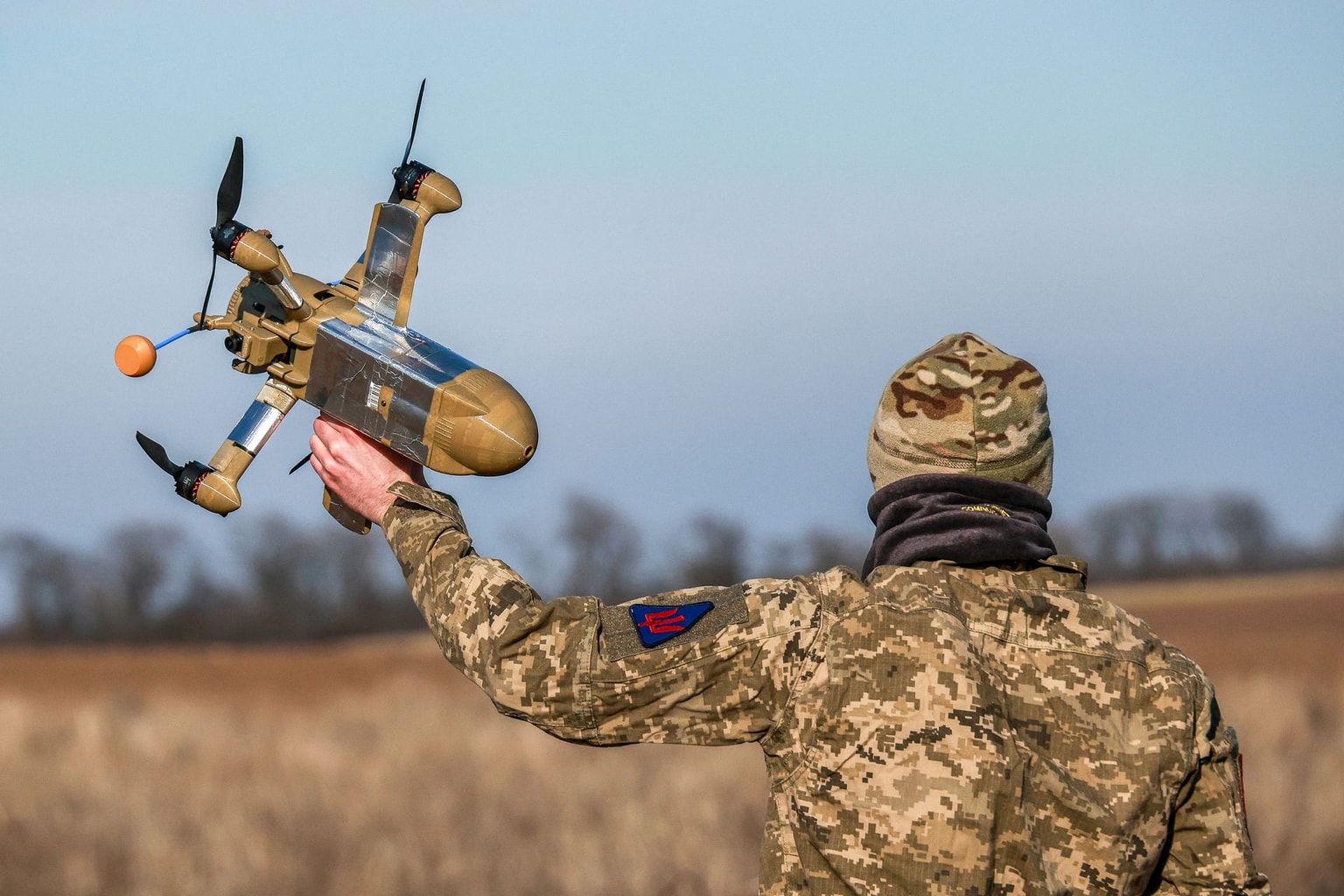
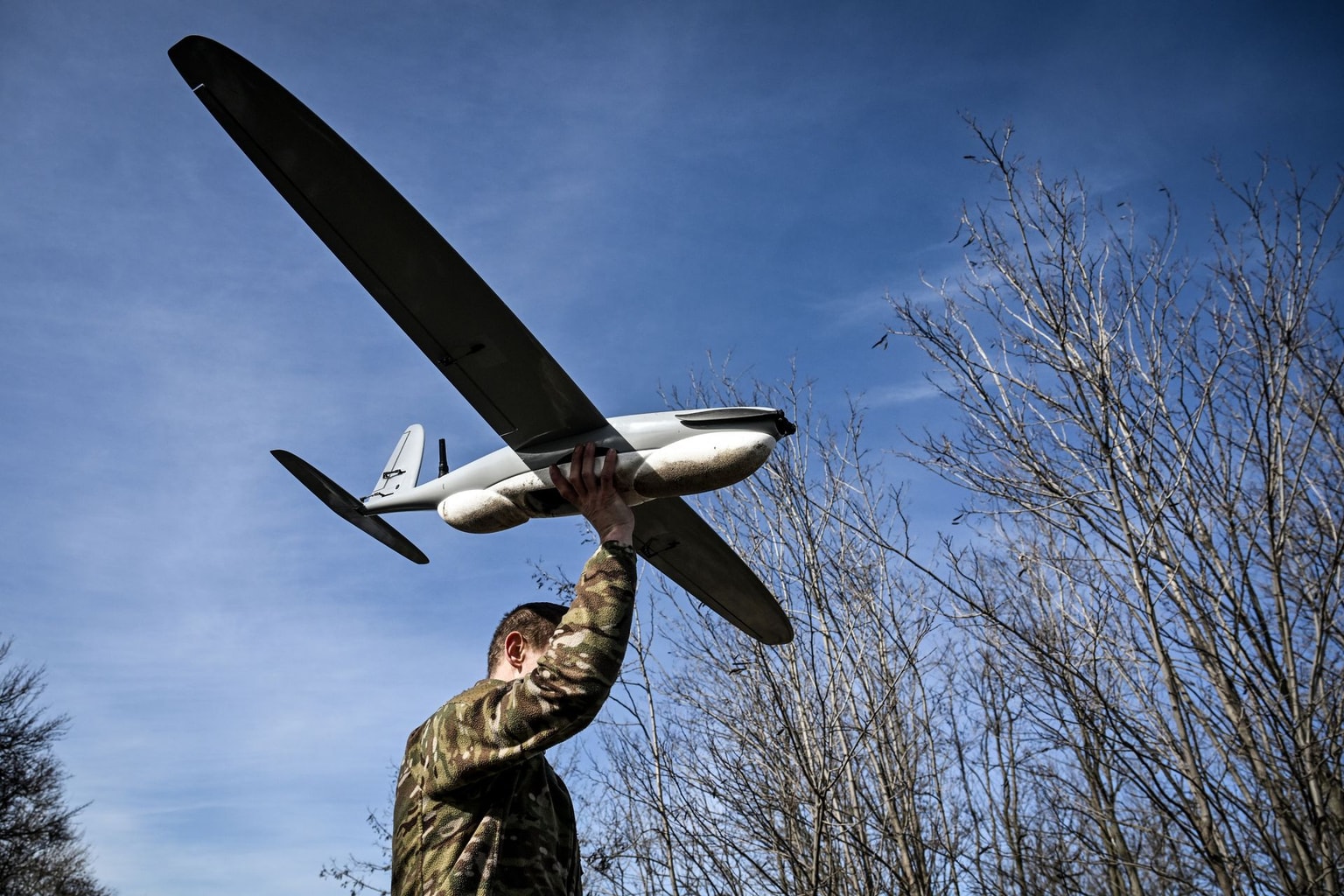
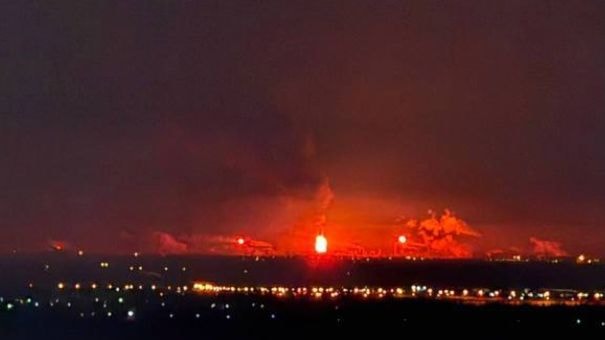
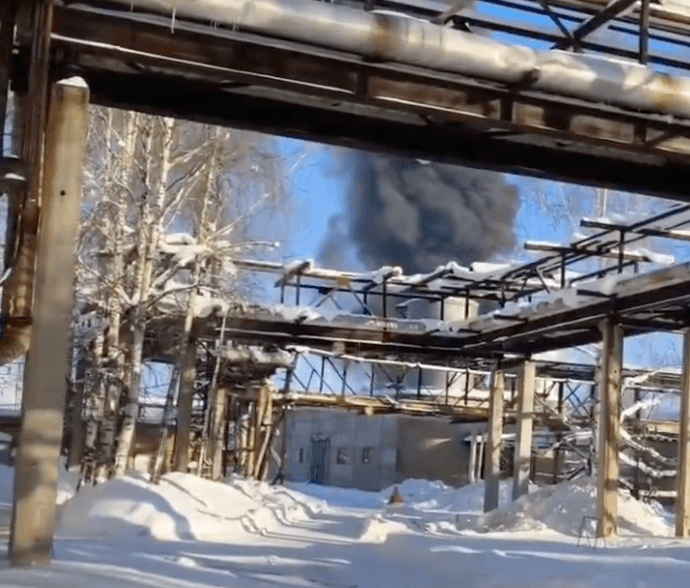
Ukrainian long-range drones struck the Ukhta oil refinery in Russia's Komi Republic, located 1,750 kilometers (1,087 miles) from Ukraine's border, a source in the Security Service of Ukraine (SBU) told the Kyiv Independent on Feb. 12.
The strike marks a new range record for Ukrainian drones, according to the source. The drones were operated by the SBU's Alpha special operations center.
Following the strike, a fire and heavy smoke were reported at the facility.
"Preliminary information indicates that an atmospheric-vacuum distillation unit and a visbreaking unit were hit. These units are responsible for primary oil refining and the production of fuel oil, and gasoline," the source said.
The Kyiv Independent could not independently verify the claims.
The Ukhta refinery is part of Russia's Lukoil group and processes around 4.2 million tons of oil annually. According to the source, the plant supplies fuel to Russia's armed forces.
Previously, one of the longest-range Ukrainian drone strikes was reported in 2024 in Russia's Murmansk Oblast, located about 1,500 kilometers (930 miles) from Ukraine.

'Do not deprive us' — Russian soldiers, milbloggers furious at Putin over Telegram ban
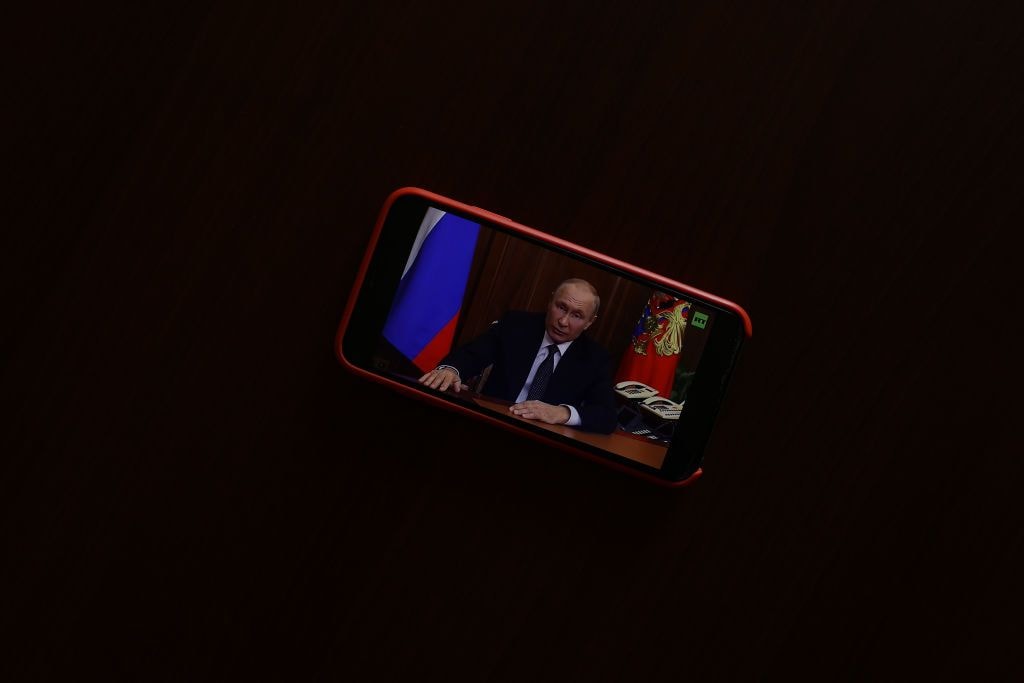
Russian soldiers and pro-war commentators have erupted in anger after the Kremlin moved to slow down and restrict Telegram, warning that the decision could undermine frontline operations in Moscow's war against Ukraine.
Russia's communications regulator, Roskomnadzor, said o Feb. 10 it would continue introducing restrictions on the messaging app as part of the Kremlin's broader campaign to tighten control over the country's information space. The move follows earlier limits on Telegram and WhatsApp calls, part of a long-running effort by Russian President Vladimir Putin to assert greater control over digital communications.
But for many Russian troops fighting in Ukraine, Telegram is not just a social network — it is a core operational tool.
"The front is in shock. Starlinks are gone, now they're jamming Telegram too. How are we supposed to fight? With carrier pigeons?" one soldier wrote in a message circulating on pro-war channels.
Russian troops have already complained bitterly about the loss of Starlink internet access across the front line. The disruption came after Ukraine's defense officials said the first steps to block Russia from using the satellite service had delivered results.
In video appeals shared by the Russian monitoring channel Lpr 1, three servicemen directly addressed Roskomnadzor, pleading with authorities not to interfere with the app.
"I'm addressing Roskomnadzor. My call sign is DJ. I'm currently on combat duty. Telegram is our only channel of communication. Do not deprive us of it," one soldier said.
Another serviceman warned that Telegram is crucial for responding to Ukrainian drone strikes.
"At the moment we need a tool like Telegram. Don't slow it down, don't block it. It allows us to exchange information quickly in order to intercept drones," he said.
A third fighter from the Albatros anti-drone unit warned that restricting Telegram would reduce the effectiveness of Russian forces, particularly in newly occupied territories, saying it would lead to a drop in their ability to counter UAVs.

Russian losses exceeded recruitment for second month in a row, Ukraine says
Russian troop losses in January exceeded the number of newly mobilized and contracted soldiers for the second consecutive month, Robert "Magyar" Brovdi, commander of Ukraine's Unmanned Systems Forces, has said.
That month, Russia recruited or mobilized around 22,000 personnel, while verified Russian losses reached 30,618 troops, Brovdi said, citing data from Ukraine's Defense Forces drone units. The figures indicate a negative balance of 8,618 personnel for the month.
The manpower balance remains strategically important as the Kremlin tries to sustain the war without full mobilization. Moscow continues to rely on contract recruitment and financial rewards to avoid the political backlash that followed the 2022 draft.
In December 2025, Russian losses also exceeded recruitment. That month, Russia added 27,400 contract soldiers, while losses reached 33,200 killed and wounded.
The Kyiv Independent could not independently verify the figures.
Brovdi, in a social media post on Feb. 5, noted that January's losses were 22% lower than in December, which he attributed to poor weather conditions and a relative slowdown in Russian assault activity.
Still, he cautioned that the current imbalance is "not a reason for applause," adding that Ukraine's goal is to at least offset Russian recruitment and gradually raise monthly losses to around 50,000 troops to significantly weaken Moscow's offensive potential.
UK to provide additional £500 million for Ukraine’s air defense
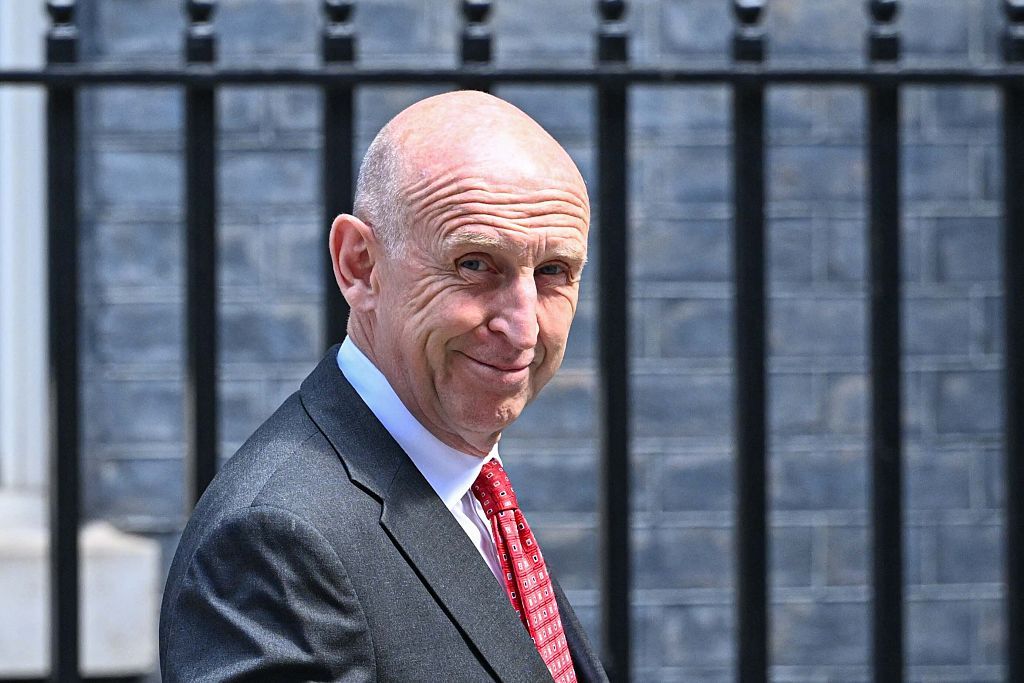
The United Kingdom will allocate an additional £500 million ($681.4 million) to strengthen Ukraine's air defense, British Defense Secretary John Healey announced ahead of a meeting of NATO defense ministers in Brussels, Interfax-Ukraine reported on Feb. 12.
The funding comes as Russia continues large-scale missile and drone attacks on Ukrainian cities and civilian infrastructure, which have led to a severe and worsening energy crisis.
"Today, I am confirming that the United Kingdom is providing Ukraine with an additional half a billion pounds for urgent air defense," Healey said during a media briefing before the talks.
Healey said the United Kingdom is acting as a force for good globally and helping shape a new European security framework within NATO.
At the Brussels meeting, allies are expected to discuss continued support for Ukraine, strengthening NATO's eastern flank, increasing defense spending commitments, and Arctic security.
The talks follow the Feb. 11 meeting of EU defense ministers at the Foreign Affairs Council, which focused on EU support for Ukraine and defense cooperation.
Russia targets Kyiv, Ukrainian cities with ballistic missiles as Moscow stalls on peace talks
Russia attacked Ukraine with missiles and drones overnight on Feb. 12, focusing on Kyiv, Dnipro, Odesa, and Kharkiv, the Air Force reported on Feb. 12.
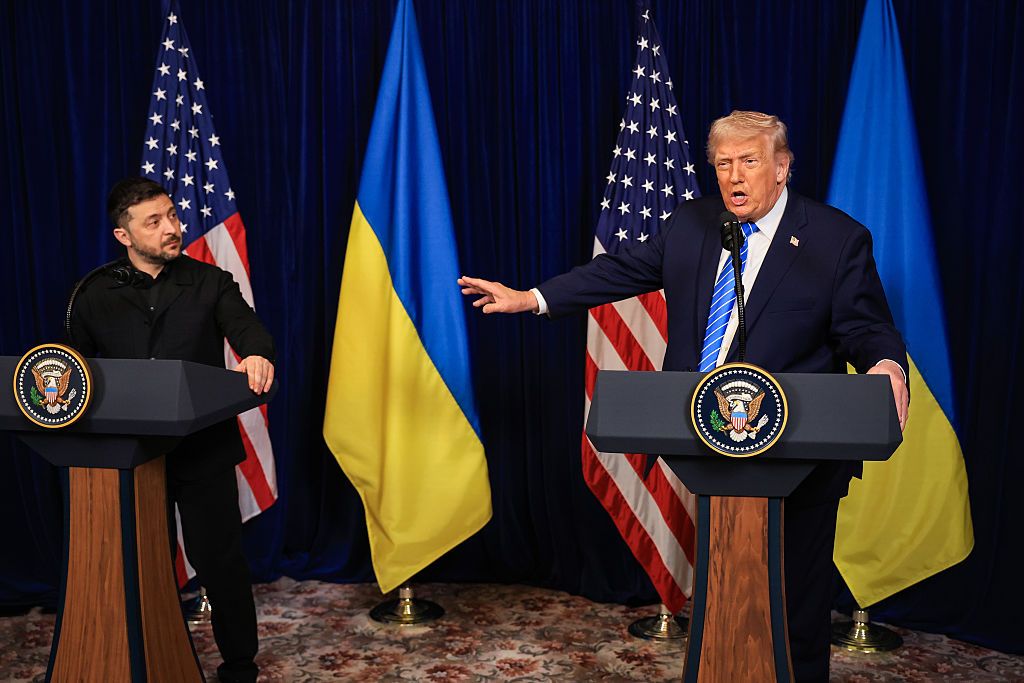
The latest missile attack comes as Moscow refuses to commit to another round of peace talks proposed by the United States, according to President Volodymyr Zelensky.
In total, Russia launched 24 Iskander-M/S-300 ballistic missiles, one Kh-59/69 guided air missile, and 219 drones overnight on Feb. 12, the Air Force reported.
Ukrainian air defenses intercepted 213 targets. At least nine missiles and 19 drones made it through, striking 13 locations. Debris from intercepted targets fell in 14 locations.
Zelensky said the main target of the strike was Ukraine’s energy sector, including power generation facilities and substations in Kyiv, Odesa, and Dnipro.
In Kyiv, Mayor Vitali Klitschko reported that two people were injured in the attack and hospitalized.
More than 107,000 Kyiv residents were left without power following strikes on energy facilities, DTEK, Ukraine's biggest private energy firm, reported.
Russian strikes damaged residential buildings in the Dniprovskyi and Darnytskyi districts. A nine-story building was hit, while the facade of a 16-story building was damaged and windows were shattered. Police recovered a jet engine from a downed drone inside a top-floor apartment.
Viacheslav Drozd, a resident of the damaged 16-story building in the Darnytskyi district, said the explosion woke him and his girlfriend in the middle of the night.
"We woke up to a powerful blast that went off above the roof. On the 15th floor, the windows were simply torn open and damaged. My girlfriend and I got away with a severe scare. We were really frightened, especially since there had been ballistic missiles before that," Drozd told the Kyiv Independent.
Residents of the same building said they have not had heating since a Feb. 3 Russian attack damaged the Darnytsia Thermal Power Plant. They say the temperature inside is 6-8 degrees.