Ukraine war latest: Ukraine must mobilize at least 30,000 people monthly, Budanov says
 on Google
Key developments on Aug. 28:
- Ukraine must mobilize at least 30,000 people per month, Budanov says, warning war won't end soon
- Ukrainian drones target one of Russia's largest oil refineries in Yaroslavl, Tu-95 bomber at Engels base in overnight attack
- Russia has destroyed 90% of Ukraine's modern storage facilities, minister says
- Russia considers placing troops, weapons on civilian ships as it struggles to protect shadow fleet, Zelensky says
- Russian attack destroys one of Ukraine's largest vodka plants
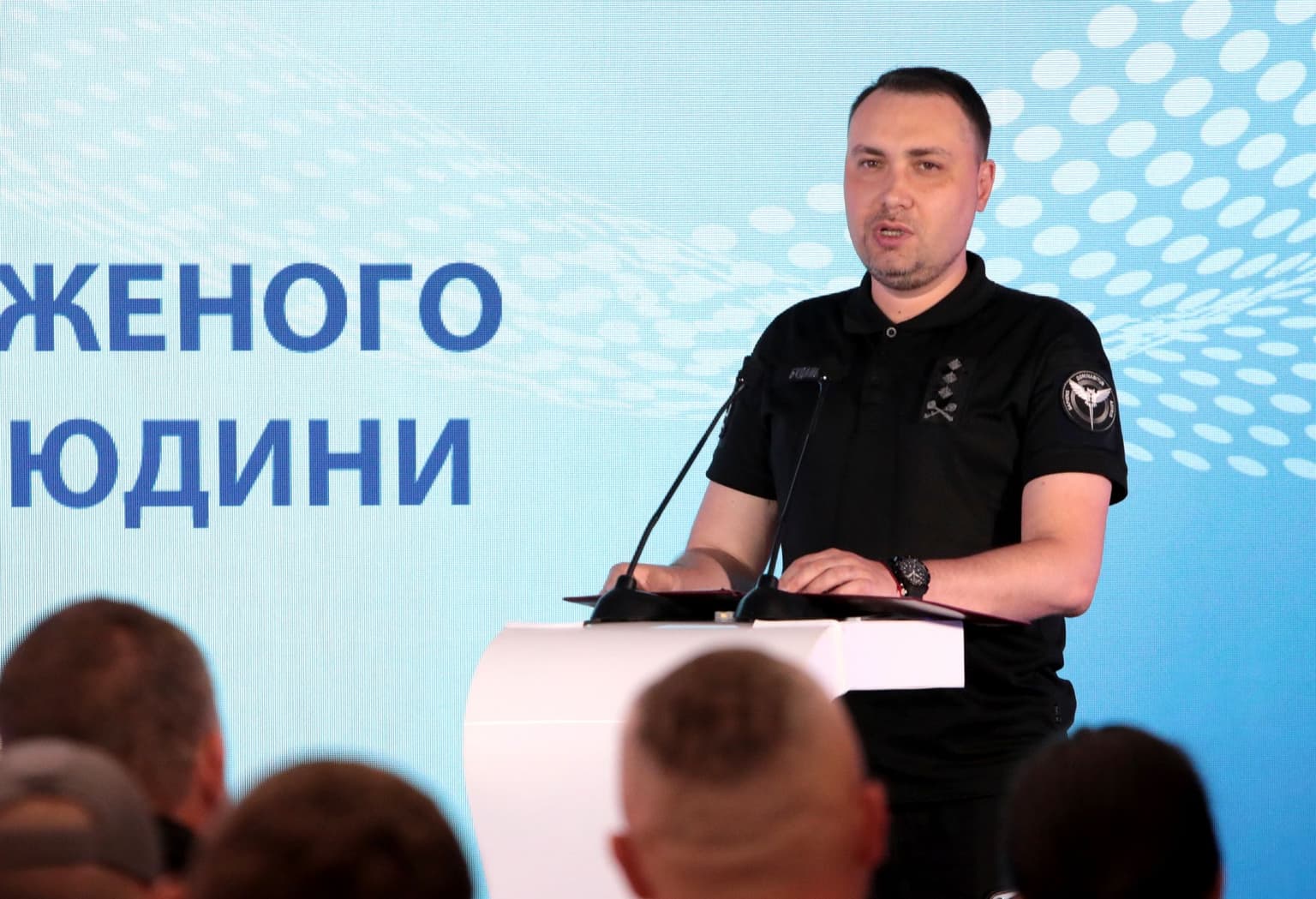
Presidential Office head Kyrylo Budanov has warned that Ukraine cannot afford to mobilize less than 30,000 people per month, as ending the war in the short term is "unrealistic."
The comments, made on Aug. 28 on Ukrainian television, come as Ukraine's leadership is under increasing pressure from both the military and society to tackle issues in the country's flawed and unpopular mobilization process.
Forced mobilization, as a part of martial law, has been in place in Ukraine since Russia's full-scale invasion began in February 2022.
Since the draft ramped up in scope over last years as less Ukrainians volunteered to fight, mobilization has been a source of simmering tension in Ukrainian society. Cases of attacks on draft officers increased in frequency over 2026.
Ukraine requires a consistent flow of new recruits to stay in the fight, with Moscow showing no signs of stopping its war and increasing signs that a new mobilization wave in Russia could follow State Duma elections in autumn.
"No matter how much we say that we will call differently now, the quantitative indicators will not change, which means that the number of dissatisfied people will not change either," said Budanov.
In the interview, Budanov also urged Ukrainians not to believe that an end to the war could be around the corner.
"I think very soon everyone will see negotiations, but it will be more about the technical side and preparation for something big, which I hope we will get to someday," he said.
"We will not stop the war now. Not because we don't want to, it's just not realistic."
read also
Ukrainian drones target one of Russia's largest oil refineries in Yaroslavl, Tu-95 bomber at Engels base in overnight attack
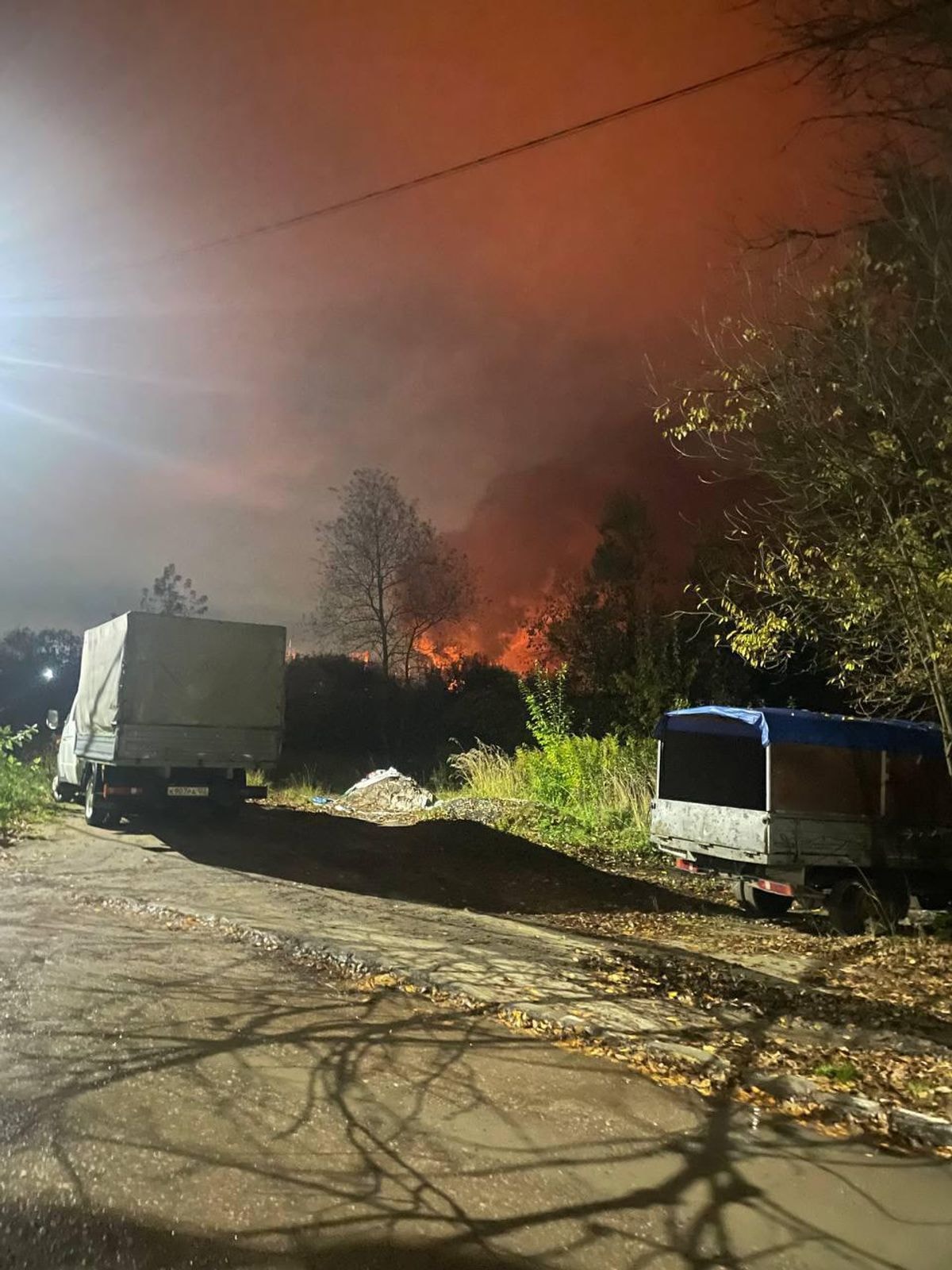
Ukrainian drones struck the Yaroslavl oil refinery, one of Russia's largest oil processing facilities, overnight on Aug. 28, the General Staff confirmed, with attacks also reported on Moscow and the region.
In a separate operation a Tu-95 strategic heavy bomber was damaged at Engels air base in Saratov Oblast, President Volodymyr Zelensky said.
The target of the attack was the Slavneft-YANOS refinery, one of Russia's largest oil processing facilities, the General Staff said, adding that damage to the refinery was still being assessed.
The Slavneft-YANOS refinery, located about 250 kilometers (150 miles) northeast of Moscow and roughly 700 kilometers (435 miles) from Ukraine's border, processes around 15 million tons of oil per year, making it one of Russia's five largest oil refineries.
Ukrainian forces also targeted a Tu-95 in a separate operation. The strategic bomber is one of Russia's main platforms for mass cruise missile attacks against Ukraine and often operates from Engels Air Base, more than 600 kilometers (370 miles) from Ukrainian-controlled territory.
According to Zelensky, the successful strike on the plane was carried out by the Alpha special forces unit of the Security Service of Ukraine (SBU), the same unit that carried out Operation Spiderweb in June 2025, using small truck-launched drones to strike strategic bombers at airfields deep inside Russian territory.
Russia has destroyed 90% of Ukraine's modern storage facilities, minister says
Russian strikes have destroyed 90% of Ukraine's modern storage facilities for various types of goods, Agricultural Minister Taras Vysotskyi said on Aug. 28 during a press briefing at Interfax-Ukraine.
The statement comes as Russia has intensified attacks aimed at disrupting Ukrainian businesses by striking warehouses and logistics centers where goods are stored.
Vysotskyi said attacks on logistics infrastructure could affect the range of goods available in stores, but assured that there is no risk of Ukrainians running out of food.
"There is no threat of hunger," Vysotskyi added.
The continued destruction of warehouses is forcing businesses to find alternative ways to move and store goods. The most realistic option under the current circumstances is for suppliers to deliver goods directly to production or retail sites, bypassing long-term warehouse storage, according to the minister.
The minister added that some businesses are relocating to other areas, but Russian attacks have already reached some of these relocated facilities.
The minister also advocated for an equal distribution of risks among supply-chain participants when goods are destroyed by Russian attacks, emphasizing that the state is not involved in their commercial or contractual relations.
Russia considers placing troops, weapons on civilian ships as it struggles to protect shadow fleet, Zelensky says
Russia is considering arming civilian vessels with small arms and electronic warfare equipment and deploying military personnel aboard them amid difficulties protecting its shadow fleet, President Volodymyr Zelensky said on Aug. 28, citing a report by military intelligence chief Oleh Ivashchenko.
Russia relies on a vast shadow fleet of aging tankers operating under opaque ownership structures and flags of convenience to export oil and petroleum products despite Western sanctions.
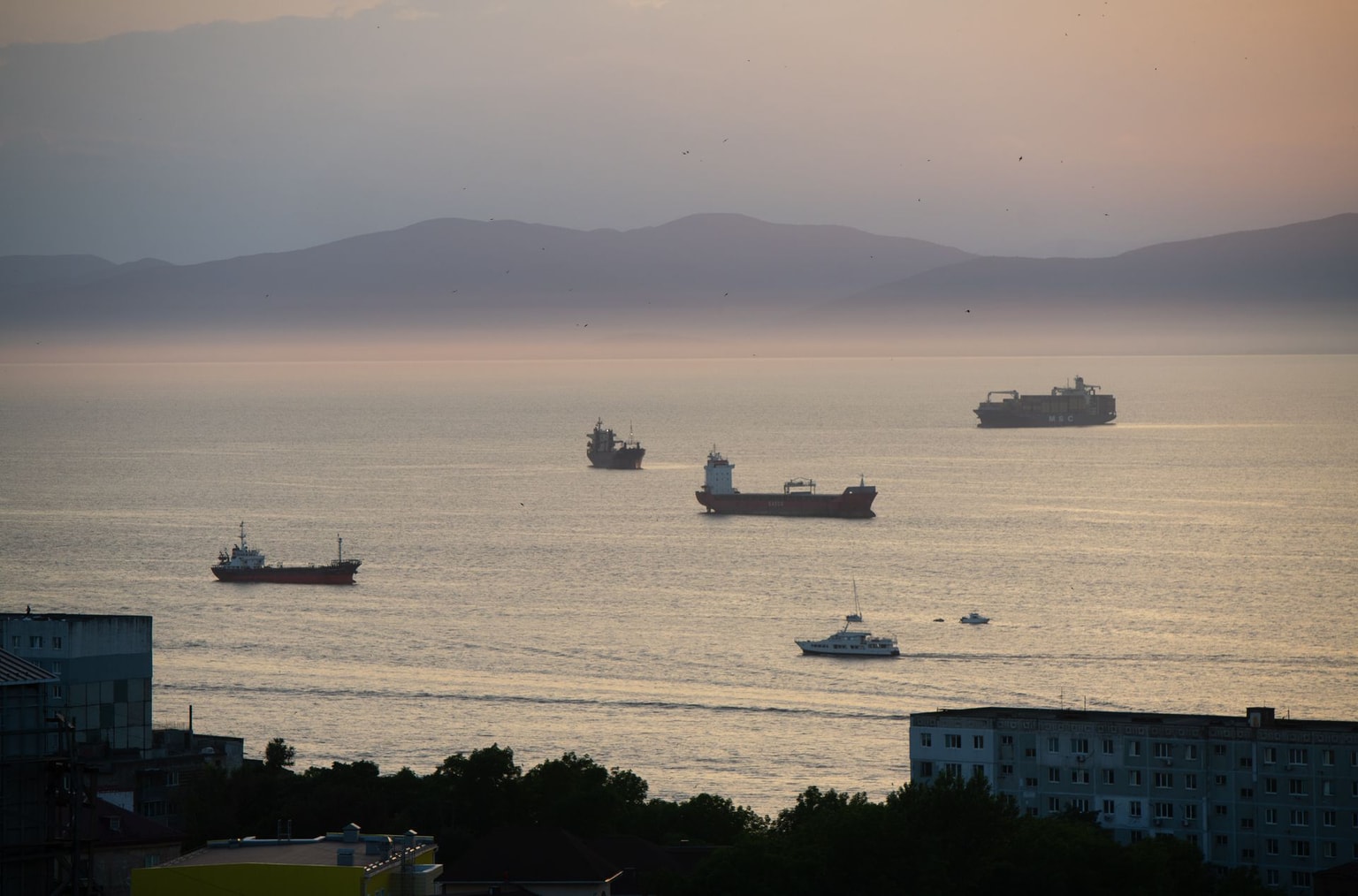
The Kremlin is considering these measures because the Russian navy can no longer safely escort Russian vessels to its Black Sea ports, according to Zelensky.
Ukraine's military intelligence agency (HUR) assessed that Ukrainian drone strikes have effectively confined Russian warships to the port of Novorossiysk on the southeastern Black Sea, Zelensky added.
Some segments of Russia's exports have declined by as much as 80% in August, according to Zelensky.
The president also praised recent Ukrainian deep strikes, saying attacks on the Kombinat Kamenskiy plant in Russia's Rostov Oblast had "significantly limited" Russia's capacity to produce solid-fuel rocket motors, while operations at the Kstovo oil refinery in Russia's Nizhny Novgorod Oblast had also been halted.
At the same time, Zelensky said Russia plans to increase missile production, citing updated intelligence.
"All supplies of components, equipment, and machine tools that Russia uses to manufacture missiles must be completely blocked," Zelensky said.
Russian attack destroys one of Ukraine's largest vodka plants
One of Ukraine’s largest vodka plants was destroyed beyond repair after Russia attacked Zaporizhzhia Oblast on Aug. 27.
The Khortytsia Distillery, launched in 2003 by Global Spirits, a Ukrainian firm headquartered in the U.S., was hit four times, sparking a three-hour-long fire, the company’s press service told Ukrainian media outlet NV.
Some of the products were completely destroyed by the fire, while others partially melted, the company said. In total, around 3 million to 4 million bottles of spirits were lost, on which the company had already paid excise taxes.
It’s not the first time Global Spirits has been targeted by a Russian attack, as Moscow stepped up strikes on Ukrainian businesses over the summer. On July 19, the company’s main warehouse was severely damaged in an attack, costing Global Spirits Hr 100 million ($2.2 million) in lost products.
The economic war has intensified in recent months, with Ukraine striking Russian oil facilities and e-commerce centers, and Moscow launching a mass campaign against retailers, shopping malls, supermarkets, ports, steel producers, gas stations, and postal services.